

You might be interested
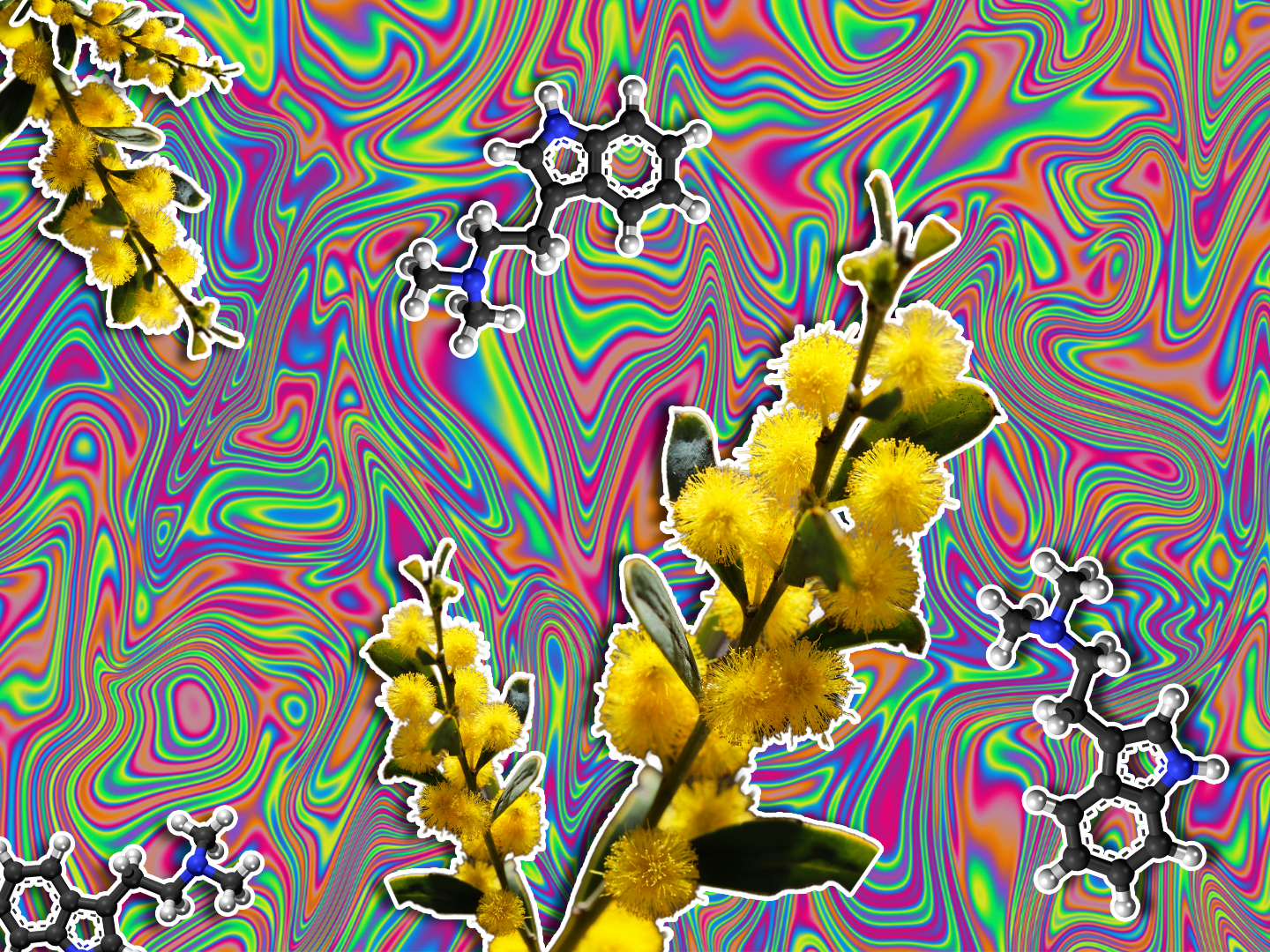
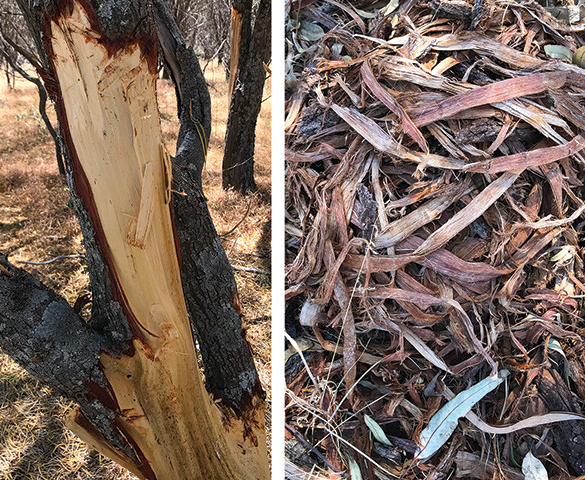
In 2008, while investigating a clandestine drug lab, forensic scientists from WA’s ChemCentre found something odd – a pile of wet bark, stripped from a wattle tree and stewed.
It turns out dimethyltryptamine (DMT) – the psychedelic chemical that makes you see through time and meet the aliens – is found in our national emblem.
Enterprising criminals figured out where to harvest it and how to extract it and started to sell it on the streets of Perth. Today, forensics teams are finding more mulch in labs than meth.
Credit: Donovan et al 2025
Bark from up the right tree
Dr Kelly Shepherd is Senior Research Scientist at the WA Herbarium, a collection of over 845,000 preserved plant samples from across the state.
She’s also one of only two botanists in WA who is signed off to work with illegal drugs. If you need to ID mystery bark from a drug lab, she’s the person to call.
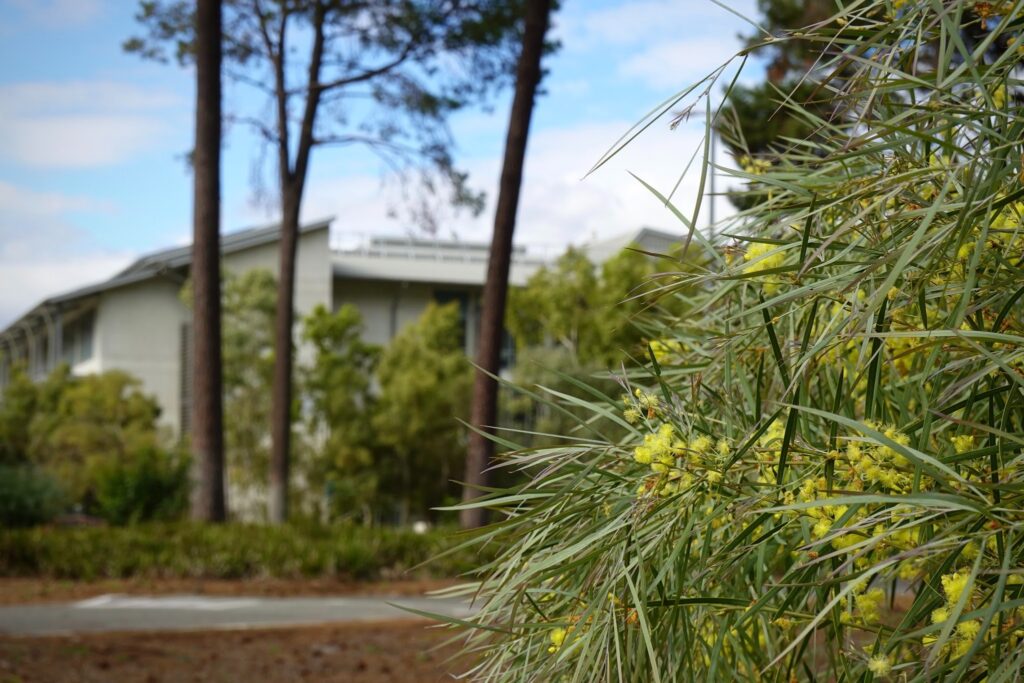
“Acacias are almost ubiquitous in our landscape,” Kelly says. “There are nearly 900 species here in WA alone.”
“We worked out which species was being targeted, but that got us thinking, how big a problem is this?”
Credit: Rockwell McGellin
To find out, Kelly helped ChemCentre drug test hundreds of preserved samples from the herbarium.
And just like not all mushrooms are magic, not every wattle tree contains DMT.
“The only other species that contained DMT were close relatives of the species we already knew about,” says Kelly.
It’s likely the presence of DMT was a chance mutation passed down from a common ancestor rather than suggesting anything profound about the plant or chemical.
“To me, the more interesting thing is that these plants in the middle of nowhere have these interesting substances in them and we don’t even know,” says Kelly.
“That’s one of the arguments we make about maintaining biodiversity. We don’t know what might be out there.”
Experimenting with chemicals
So what do these interesting substances do once they’re out of the plants and inside our bodies?
Daniel Perkins is an associate professor at the University of Melbourne Psychedelics Research and Therapeutics Unit.
Last year, he published the first clinical trial of DMT made from Australian acacia plants – importantly, prepared in a CSIRO facility, not a dodgy garage.
They asked nine healthy “experienced” volunteers to try it out and took notes.
“Generally, people felt that it was quite similar to the experience they’d had with ayuhasca,” says Daniel.
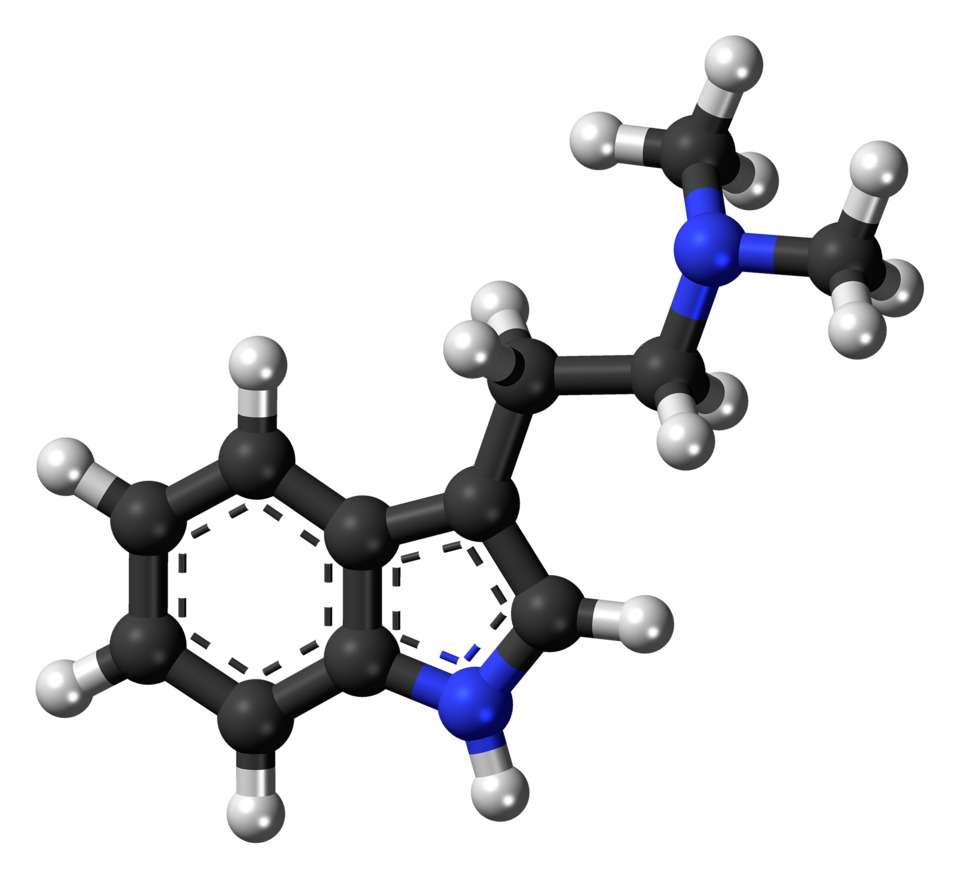
Credit: Jynto, CC0/Wikimedia Commons
This makes sense given it’s the same chemical, and many psychedelic substances seem to work in a similar way.
“LSD, psilocybin and DMT all primarily act through the same serotonin 5HT2A receptor, which seems to induce these psychedelic effects,” says Daniel.
Why do we have that lever?
Our brains and bodies send signals using chemicals called neurotransmitters, which activate chemical ‘switches’ called receptors in our cells.
Psychedelic drugs are really good at getting into your brain, and once they’ve arrived, they flip one particular switch.
This sets off a chain reaction across your brain. Everything is more active, more sensitive, your brain’s usual rhythm drowned out.
“It’s allowing connections between different brain areas that aren’t usually connected,” Daniel says.
“It suppresses the top-down control that can enforce very rigid beliefs about things and has effects on brain networks like the default mode network – your sense of self,” Daniel says.
It’s these effects that have researchers like Daniel interested. Not for their recreational novelty, but because they might help treat complex mental health issues where nothing else works.
“You have this combination of effects that seem to work very well together to allow people to have these profound experiences, process trauma and then have changes in their understanding that become quite embedded,” says Daniel.
The team’s next trial kicks off later this year, testing DMT as a treatment for alcohol use disorder and major depressive disorder.
What about the wattle?
While we might soon see psychedelics in Australian clinics, we’re less likely to see Australian plants.
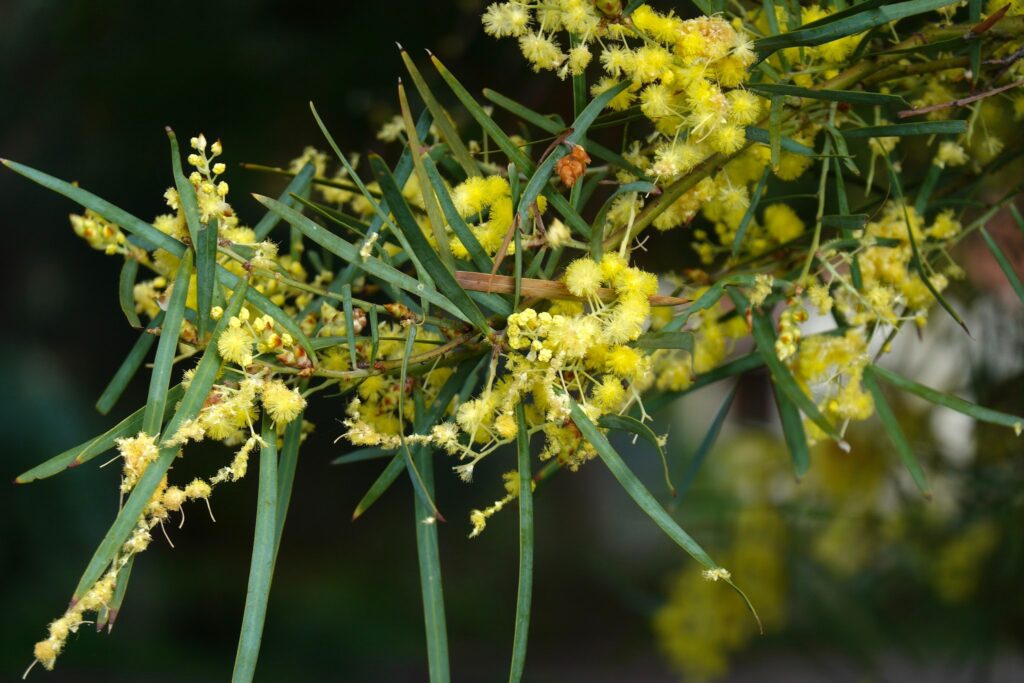
Credit: Rockwell McGellin
“We have actually moved to using synthetic DMT,” says Daniel.
Wattle contains only 0.5–1.5% DMT. As Kelly discovered in Perth’s clandestine labs, that means you end up needing to find and dispose of a lot of plant material.
“We want this to be medicine that’s used by millions of people around the world. That would be very hard to do with a botanical product.”
Kelly wishes the backyard labs had the same attitude.