


You might be interested

Australia is heavily reliant on imported fossil fuels.
As prices for unleaded petrol and diesel continue to climb, will we see an ongoing transition to renewables and electrification, or is this simply a blip?
Electric vehicles are in fashion
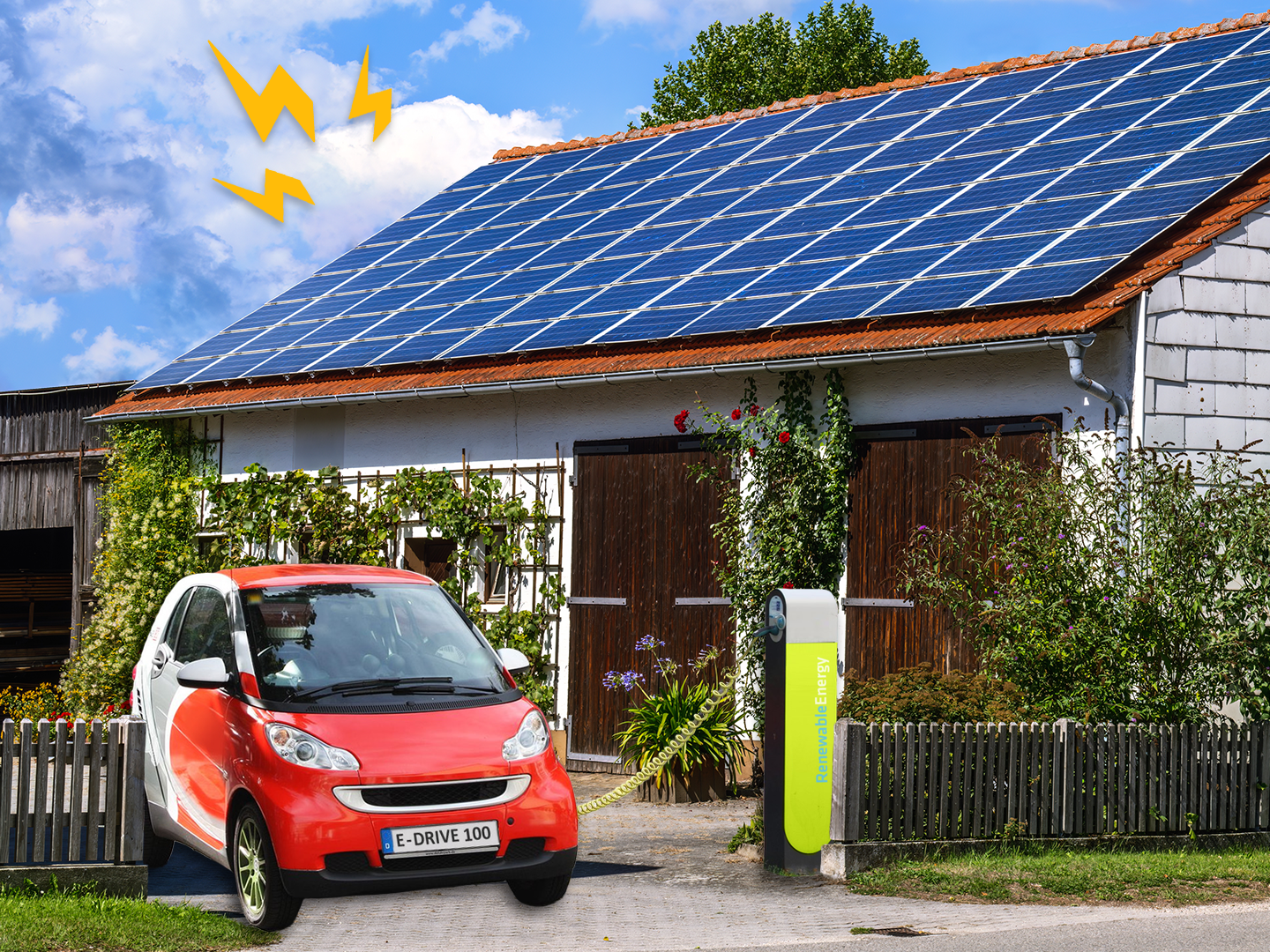
There is a growing trend towards electric vehicles (EVs) for household use and a slower increase for industrial use.
More than a quarter of new cars sold in April this year were electrified, either battery-electric or plug-in hybrids.
Fortescue also recently launched two new battery-electric locomotives to transport iron ore across the Pilbara.
While the new trains will save the company 1 million litres of diesel each year, it’s not much compared to the 80 million litres they consume overall. At least it’s a step in the right direction.
This is still better than BHP. Despite having some electric trains, it has backed out of major renewable energy projects and plans for a fleet of electric trucks until at least 2031.
We’re going renewable
Electrifying WA is more than electric vehicles. We’re talking about a whole renewable transition.
Professor Peta Ashworth, Director of the Curtin Institute for Energy Transition, thinks “doubling down on renewables is the right thing to do”.
From her perspective, we’ve taken a few positive steps.
The new Collie Battery takes advantage of existing transmission lines and grid infrastructure.
The Residential Battery Scheme helps households afford rooftop solar.
Project Jupiter is ensuring solar power doesn’t go to waste by aggregating individual production through virtual power plants, making the grid more responsive to supply and demand fluctuations.
Peta explains that, as we move away from fossil fuels, we create “a whole new industry” with increased opportunities for jobs and skills.
This is exciting for regional communities, particularly those that rely heavily on industry.
Maths killed my renewable dreams
But Professor Eric Lilford, Deputy Head of the Energy Engineering School at Curtin University, has concerns about putting all our eggs in the renewables basket – and he’s done the maths.
WA consumes about 43 million megawatt hours of energy annually, says Eric.
If we wanted to produce 80% of our annual energy using solar, Eric says we would need 522–870 million square kilometres for solar farms.
“We don’t have enough landmass for that.”
Wave energy is less reliant on landmass. There are several promising projects by Carnegie in Perth and UWA in Albany testing different technologies, although so far they’re just trials.
But it’s not just about landmass. A lot of materials are required to set up renewable projects. Silicon and metals are needed for solar panels, and wind turbines need a lot of concrete in their foundations.
Renewables rely on energy storage, and like solar panels need metals, batteries need a lot of lithium.
Eric says if we consume 20% of our total energy at night, we need to store 8.7 million megawatt hours just for WA.
“We would have to take 870,000 tonnes of lithium for an NMC battery,” says Eric. Globally, we only produce 290,000 tonnes a year.
Going entirely renewable isn’t realistic right now. But in the last month, about 30% of the South West Interconnect System (SWIS) grid consumption has been from renewables, so there’s still hope.
If it wasn’t for the political football and our continued investment in fossil fuels.
Responses to the fuel crisis
In response to the conflict in the Middle East, 12 countries, including Australia, have introduced policies that move towards electrification.
There’s been a notable rise in EV and renewable demand, and the May Budget saw investments in electric transport, walking and cycling.
However, the fuel crisis also put a stop to the removal of the diesel fuel rebate that subsidises the mining industry’s massive fuel consumption.
So what about the most obvious response – halving the fuel excise?
In February, the average metropolitan ULP price was 164.5 cents per litre. By March, it was 222.5. Now, it’s back down to about 167 cents per litre.
In other words, the fuel crisis for the average metropolitan Aussie was short-lived.
Peta suggests that, for this to be a catalyst for change, we need to feel it more.
“If people are feeling a demand because it’s more expensive, then what do you do?” she asks.
“You go, OK, I’m not going to drive the car here today. I will ride my bike, or I will think about public transport.”
While electrification seems to be slowly ticking along, it doesn’t look like a fully renewable and electric energy system is going to be here next week.
As big mining companies continue to produce fossil fuels, it’s an opportunity to reflect on where our energy comes from and how we’re using it.