

You might be interested



It might not be front of mind in the middle of Perth’s winter, but the upcoming summer could be a scorcher.
The Bureau of Meteorology has declared El Niño has begun, marking the beginning of a climate pattern known for bringing hotter and drier conditions to most of Australia.
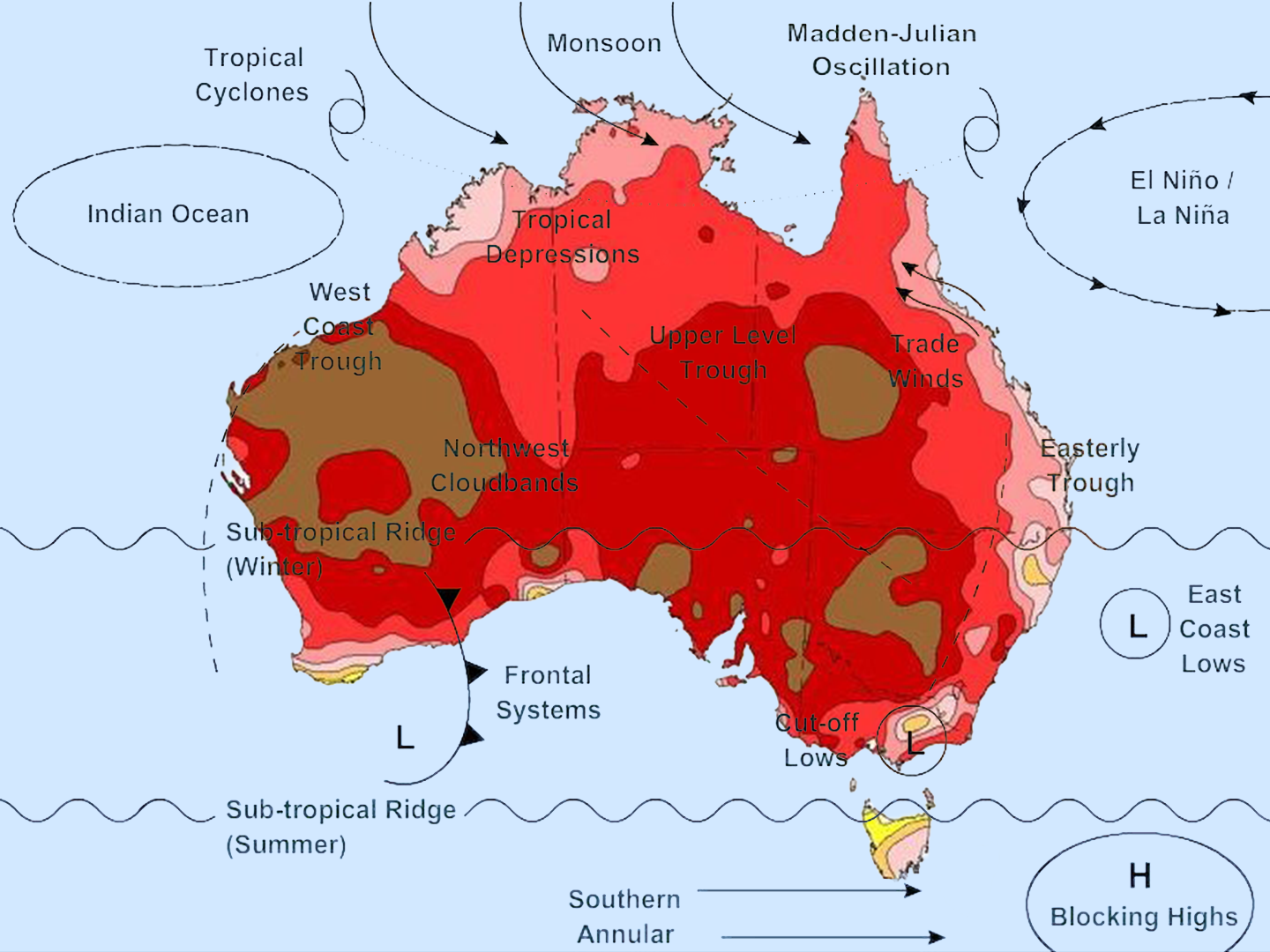
El Niño is one half of the El Niño Southern Oscillation (ENSO), a naturally occurring climate cycle driven by changes in ocean temperatures and atmospheric conditions across the Pacific Ocean.
The other phase of ENSO is La Niña, which occurs when sea surface temperatures are cooler than average and typically brings wetter conditions to much of Australia.
ENSO shifts between El Niño and La Niña every 3–7 years, with each phase influencing weather patterns across the country.
HEATING UP DOWN UNDER
During El Niño, warmer-than average sea surface temperatures in the Pacific influence trade winds and alter weather patterns around the world.
For Australia, this generally means warmer and drier conditions across the east and south, while northern Australia can experience a delayed start to the monsoon season and fewer tropical cyclones.
Western Australia is typically less affected than the eastern states, although parts of the state can still experience warmer-than-average conditions.
But El Niño brings more than just ideal beach weather.
RISKY BUSINESS
The Bureau of Meteorology has predicted this El Niño has the potential to be one of the strongest observed since the 1950s.
Hotter and drier conditions increase the likelihood of extreme heat, also increasing the risk of bushfires and droughts.
Researchers say climate change is amplifying these impacts, causing ocean temperatures to become hotter over the past decade.
IT’S GETTING HOT IN HERE
Parts of the northern hemisphere have already started to experience intense heat, with Europe recently sweltering through a heatwave.
In Australia, El Niño’s effects will be felt from spring when temperatures start to climb.
Whether it brings record-breaking heat or simply a warmer than average summer, understanding El Niño can help Australians prepare for the months ahead.