

You might be interested



Peanut is an important staple crop for many people around the world. As well as being delicious as smooth or crunchy peanut butter, its seeds are high in healthy fats and protein and can be pressed into oil.
Despite being widely cultivated and found in cuisines across South America, Africa and Asia, the peanut genome has proven difficult to research. This has stalled efforts to use genetic knowledge to breed better peanuts.
As part of an international effort, Murdoch University researchers have jumpstarted peanut research, making the first complete telomere-to-telomere assembly of the genomes of six varieties of peanut plants.
Researchers also identified two genes responsible for size and oil content in peanuts.
Armed with this new information, breeders and farmers can grow bigger, oilier nuts – and improve global food security.
BRINGING THE PEANUT OUT OF ITS SHELL
Understanding the genomes of staple food crops is important to scientists because it can help improve crop quality and productivity, while protecting the environment.
Despite this, Professor Rajeev Varshney – Centre for Crop and Food Innovation Director and co-author of the study – says peanuts have proven challenging to study.
“Peanut is a staple source of edible oil and protein for hundreds of millions of people, yet its genetics have remained harder to work with than most major crops,” says Rajeev.
This is because the peanut genome is incredibly complex.
Where humans have two sets of chromosomes (one from each parent), peanut has four sets of chromosomes from two wild ancestors of different species.
RINSE AND REPEANUT
Another barrier to sequencing the peanut genome is it contains a lot of nonsense.
The study found that 75% of the peanut genome is made up of long repeating sequences.
Previously, this has contributed to many gaps and unmapped regions, which have hindered our ability to understand peanut DNA.
Rajeev says that a complete genome is “essential for decoding complex traits and accelerating crop improvement”.
NUTS FOR PEANUTS
In addition to a complicated family history, there are six varieties of peanut today, grouped into two different subspecies. Researchers analysed 521 samples from around the world as part of the study.
Rajeev says studying so many different peanuts revealed a lot about how the plant was domesticated.
“We knew that cultivated peanut carries two sets of chromosomes from two different ancestral species that were fused thousands of years ago,” says Rajeev.
“What we didn’t realise was how asymmetrical the evolution of these two halves was – or why.”
Understanding how these two subgenomes diverged explains why peanut genetics behave in the way that they do and will help breeding in the future.
GREAT GOOBERS
As well as providing complete reference genomes for different varieties of peanut, the new study identified two significant genes, which both contribute to making ‘better’ peanuts.
The first gene is associated with a difference of seed oil content (48% versus 54%) between peanut varieties carrying different versions of the gene.
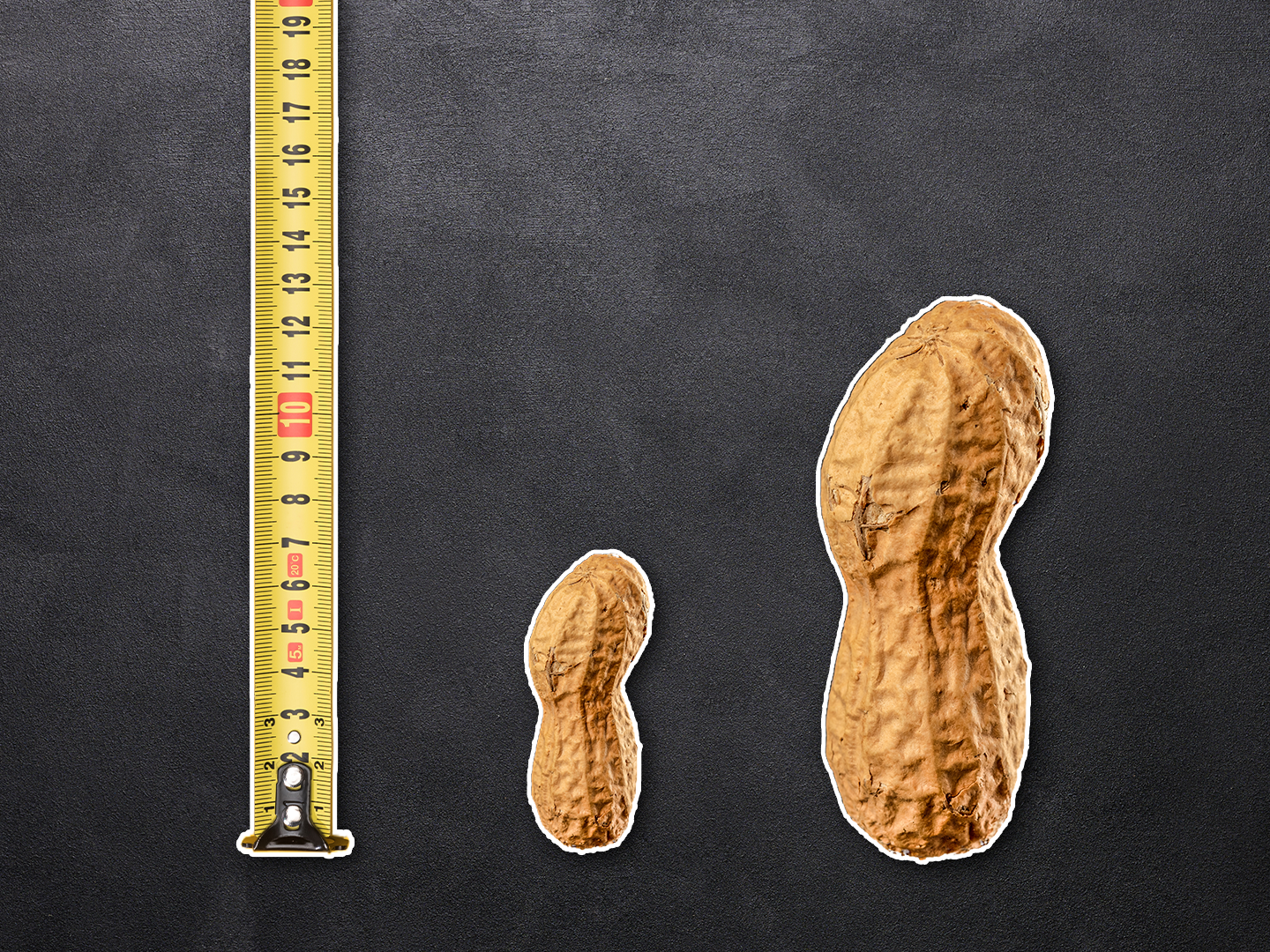
The second gene is associated with bigger nuts. Plants carrying one version of the gene averaged around 846 grams per thousand seeds compared to 491 grams for the alternative version.
“This work provides a strong foundation for genomics-assisted breeding, enabling us to design high-yielding, high-quality and climate-resilient peanut varieties more efficiently,” says Rajeev.
Now it will be easier for breeders to develop peanut plants with seeds that are bigger and more nutritious, helping to improve food security in the global south by getting more locally grown food to more people.