
You might be interested



Buying a drink shouldn’t involve revealing your full name and address to a bartender named Chad. But physical IDs can be surprisingly generous with personal information.
A well-designed digital ID system aims to change that.
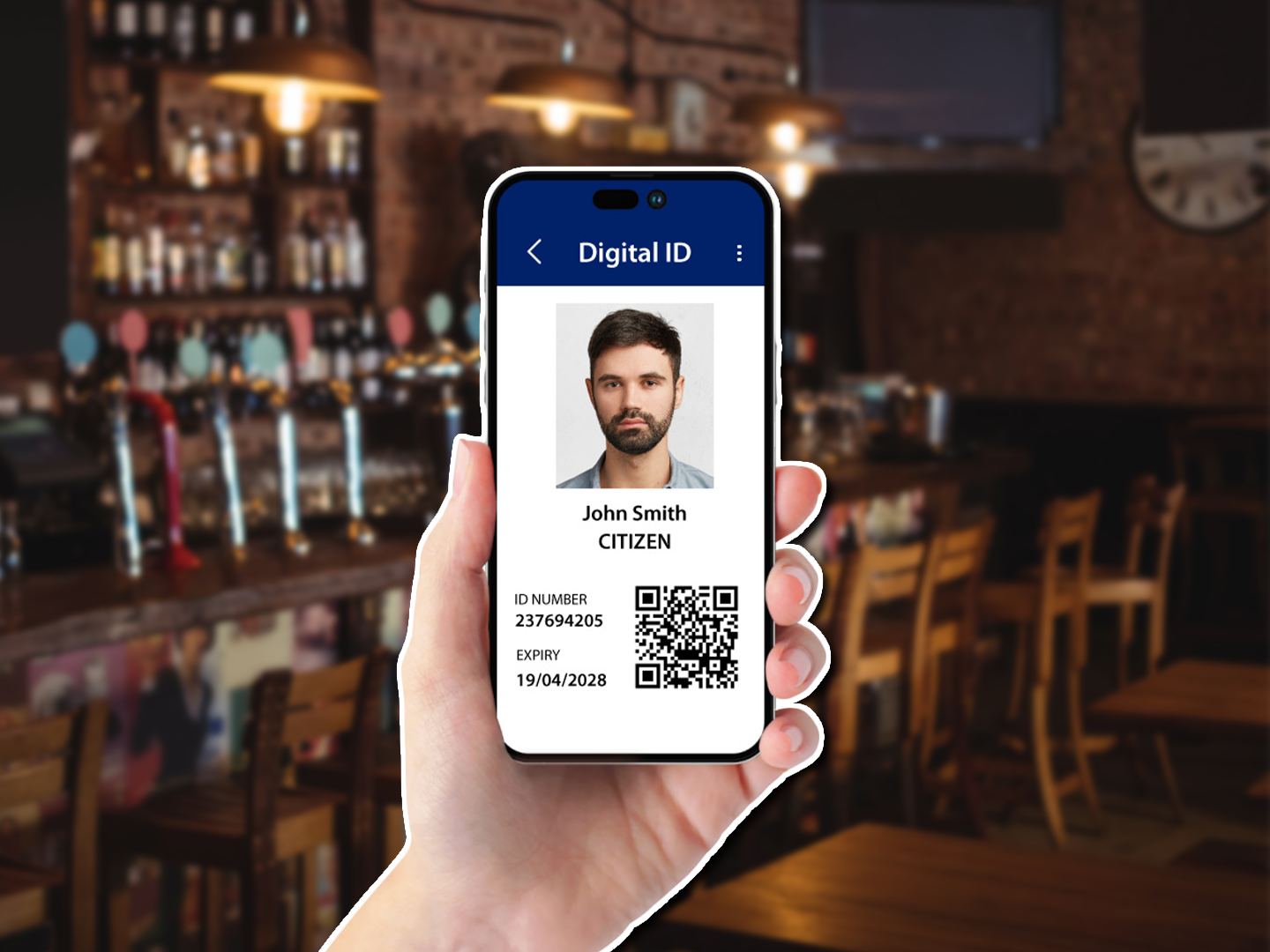
You only need your identity verified using your existing ID once. Then the digital ID on your phone or device can prove your age or identity.
The biggest benefit? It only shares the information needed at the time. Like a bouncer only revealing the important information. Rather than grandpa telling his entire life story when asked his age.

The Digital Appeal
Having a digital ID can make it easier to access government and online services without repeatedly proving who you are.
This is particularly useful for people in remote areas who may otherwise need to travel for in-person ID checks.
Governments particularly love digital IDs. They promise streamlined services, reduced fraud and fewer forms that somehow still need printing in 2026.

Australia is already using digital IDs, and Western Australia is due to start a trial on digital driver licences next year.
But not everyone benefits equally. People without smartphones, stable internet or digital literacy risk being excluded if physical IDs disappear entirely.
Digitising Security
Digital IDs use cryptographic signatures to verify that a credential is genuine. Unlike physical cards, this also makes tampering and counterfeiting much harder.
Your phone’s built-in security features then add another layer of defence by using the same protections already protecting your banking apps and embarrassing photos from 2021.
The Digital Fine Print
Of course, some people are nervous about their identity information going digital – and not without reason.
Governments and tech companies handling personal information have historically been … mixed.

Large databases of personal information can be attractive targets for hackers.
Digital IDs could also generate data trails showing when, where and how people use their IDs. That data could be reused for surveillance, policing, immigration enforcement or commercial profiling.
Digitising Trust
That’s why many experts argue the real challenge isn’t just building a system that works.
It’s building a system that is safe – with strong protections, transparent governance and clear rules about how information is used.
Digital IDs are designed to make proving who we are easier and safer than handing over a physical card. But technology only works if people trust it – and people will only trust it if it works.