
Read next


Bitcoin is an upcoming film depicting a man who claims to have invented the titular controversial cryptocurrency. It stars big names like Gal Gadot, Pete Davidson, Casey Affleck and Isla Fisher.
The story follows a man’s claim that he is the infamous Satashi Nakamoto, the still-incognito apparent inventor of cryptocurrency, whose name is attached to a bitcoin purse currently worth AU$128 billion.
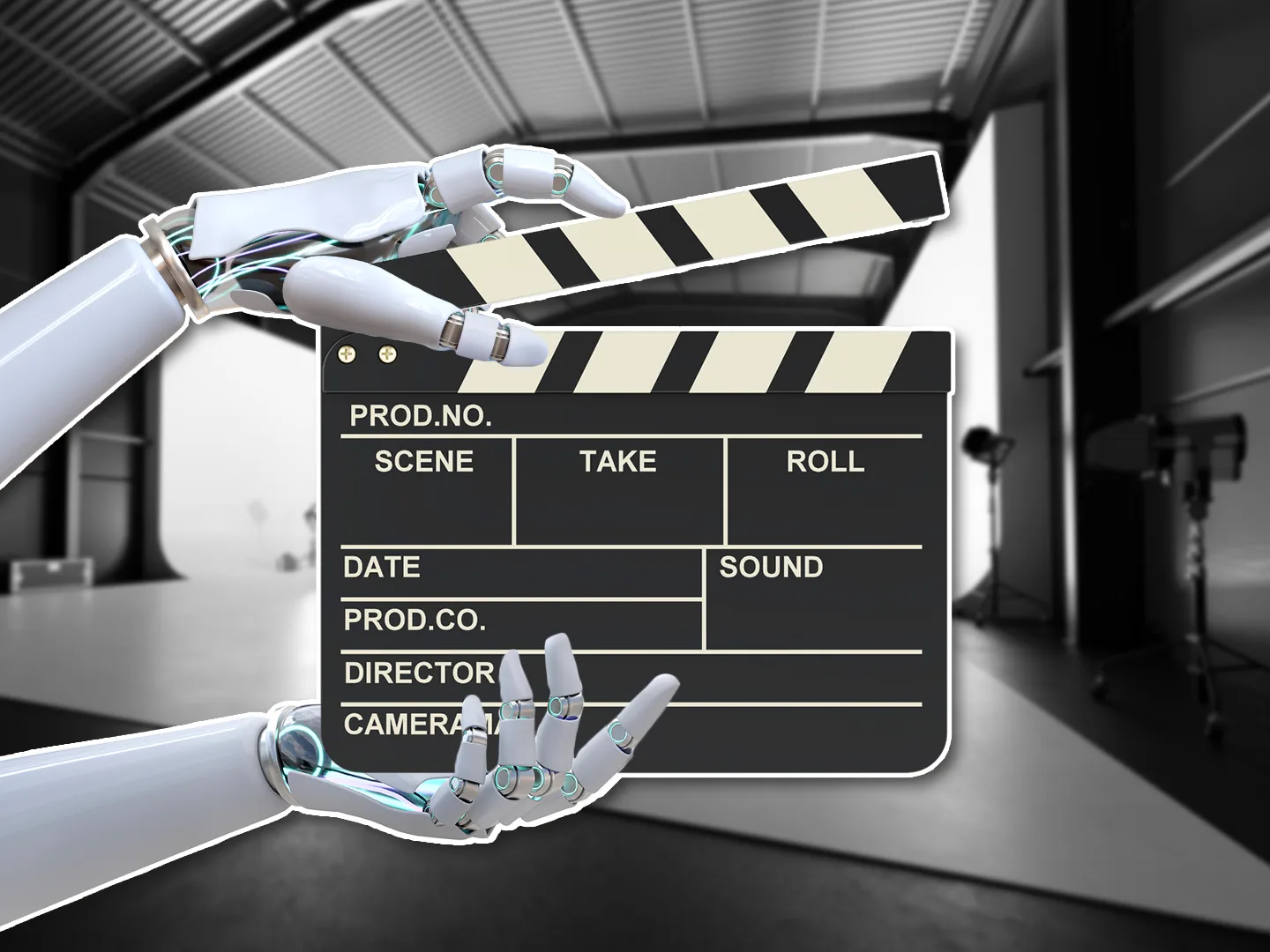
Somewhat befitting of the techbro-heavy subject matter, Doug Liman and his producers have decided to use artificial intelligence – in lieu of artistically trained humans – to complete the vast majority of post-production work, including sets, designs and lighting.
The actors and crew completed the shoot over 20 days in a so-called ‘grey box’ warehouse in London. Everything else is digital.
There are no real locations or backgrounds used. It’s even reported that actors’ faces and expressions will be tweaked with AI to avoid reshoots or innumerable takes.
Detractors will call this a dark day for the career hopes of hard-working and passionate creatives. Producers and supporters will argue that this decision has saved the production $280 million.
AI-rtists?
In recent years, broad progressions in large language models (LLMs) and other types of generative artificial intelligence have raised alarm bells for workers in almost every industry.
It now seems inevitable that labourers in countless industries – from film to education to journalism – will be replaced by machines that mimic the creative output of human practitioners.
Professor Julian Murphet is a film and literary scholar at Adelaide University. For him, it’s a nuanced issue which will be decided by the future, for good or bad.
“There are going to be powerful structural tensions between the perfectly understandable struggle to maintain intellectual property laws in the face of technical predation,” he says, “and an equally understandable wish to explore the frontier of new technical possibilities.”
In other words, there’s some sense on both sides.
“It isn’t a logical or a moral question – it is an industrial, political dispute over the right to work and to own the fruits of our labour,” says Julian.
Films in particular are finished works that don’t always reveal exactly how the sausage was made. In Julian’s words, “We never see in them the struggles that made them.
“They either justify, or don’t, the compromises and betrayals that took place to get them done.”
If it’s really all down to a matter of taste, at the end of the day, it doesn’t matter what any one individual thinks. If audiences are willing to spend their hard-earned cash on tickets, the decisions these producers have made will be – at least from the perspective of their wallets – completely reasonable. The diets and tastes of the next generation will decide what type of movies will be made.
“If, like me, you’ve been raised on a constant diet of actual photography, AI looks terrible and seems to signal a kind of aesthetic defeat,” says Julian.
“But if, like my sons, you were raised on games and other kinds of digital animation, it’s all grist to the image-mill.
“There is no one answer,” says Julian. “The immediate struggle is economic and political and, as always, who wins it will dictate the future of the art.”
Who chooses the future?
Whether or not the Bitcoin film is any good will be up to audiences.
If it bombs in the box office, the people will have voted with their pockets. If the movie is a resounding success, garnering Oscar buzz, critical plaudits and record profits, the precedent will be laid, and we will all have to get used to AI-generated films (or slop) dominating silver screens.
That includes everything – script writing, facial expressions and even line deliveries.
If you had a few billion in your bitcoin wallet, which future would you gamble on?