


You might be interested


The High Seas Treaty is diplomacy’s attempt at group work between 190+ countries without anyone flipping the table.
Every country has a zone around its coastline – their ocean territory. Beyond that, lie the high seas.
Vast waters covering roughly half the planet – often associated with pirates and the kraken.
This area belongs to everyone and no one at the same time – which historically has gone … poorly.
Uncharted Territory
Because nobody owns the area, nobody really protects it either. Before the High Seas Treaty, less than 1% of the high seas had any real protection.
Countries could fish, mine, dump and drill with few consistent environmental rules.
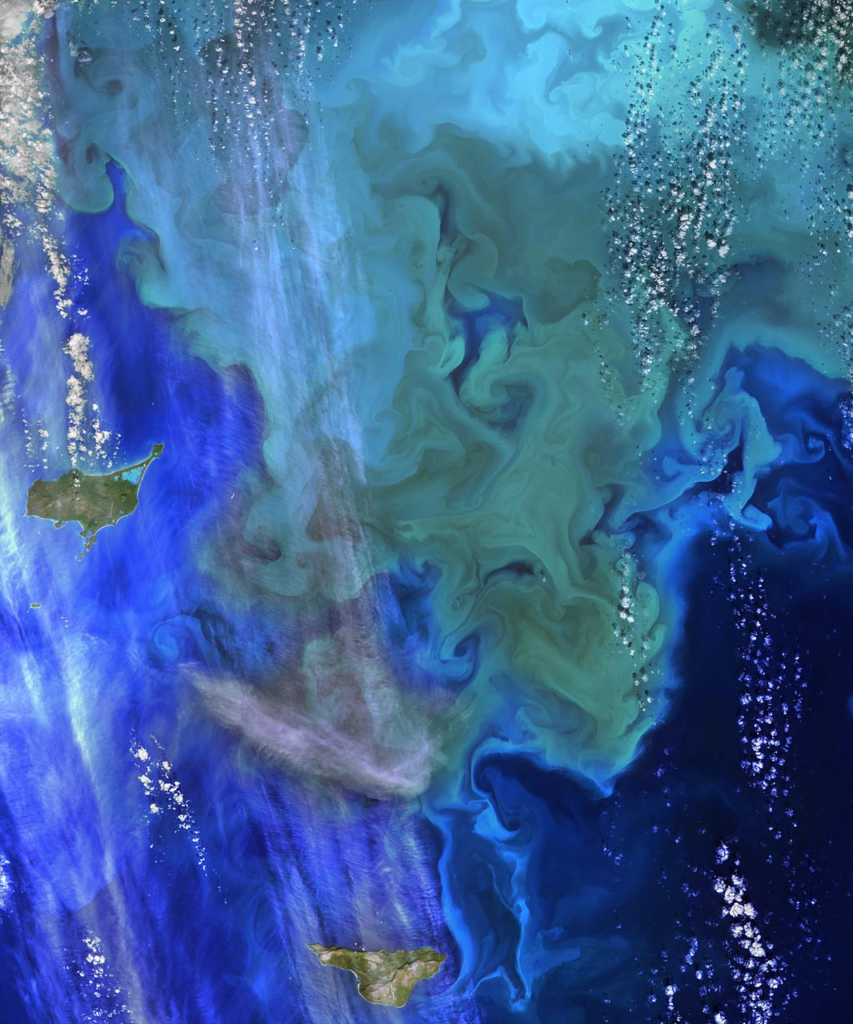
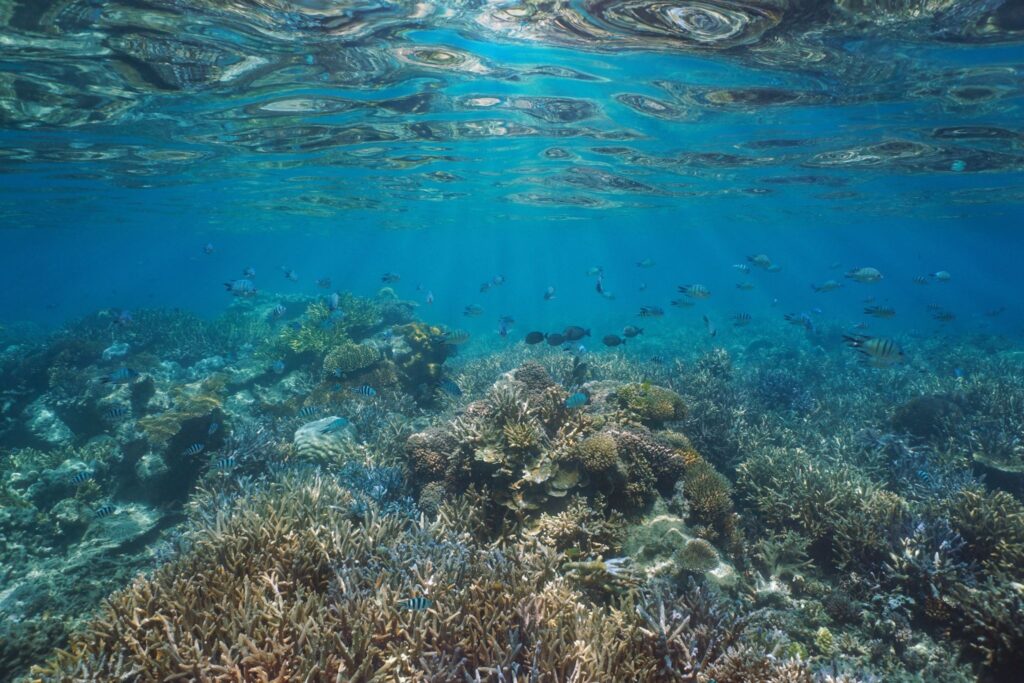
And the high seas matter. They’re home to ecosystems, millions of species and deep-sea habitats that play important roles in climate regulation.
Letting that collapse would be … bad.
Credit: Creator: NASA Goddard
Navigating Governance
Coordinating conservation across unmanaged international waters is far from simple.
In a rare example of large-scale international cooperation, 193 countries came together for the ultimate group project – negotiating the High Seas Treaty.
The High Seas Treaty serves four main purposes:
- Protecting shared spaces. It supports global efforts to protect 30% of the ocean by 2030 through marine protected areas in international waters.
- Sharing resources. Historically, only countries with advanced vessels could access valuable genetic resources found in deep-sea organisms with potential uses in medicine and technology. The High Seas Treaty makes sure, if it’s found in shared waters, the benefits are shared.
- Make companies do their homework. Environmental impact assessments are now required before doing anything significant in international waters.
- Help poorer countries catch up. Many developing nations have limited capacity to engage in ocean research. The High Seas Treaty supports access to training, equipment and data, improving global scientific collaboration.
Credit: Shutterstock
On the Horizon
Healthy seas are vital to Australia’s environment, economy and relationships across the Indo-Pacific.
Australia didn’t just sign the High Seas Treaty, it helped shape it – co-leading negotiations with Belize. We were one of the first signing nations in 2023, and we just passed the High Seas Biodiversity legislation, officially making the High Seas Treaty law in Australia.
The High Seas Treaty won’t solve every challenge – it doesn’t regulate commercial fishing, requires countries to ratify it individually and faces pushback from some industries. But it represents a promising step towards protecting the unregulated high seas that connect us all.
The real wonder here isn’t mythological creatures – it’s 190+ countries agreeing on something. Historically, that is the rarer phenomenon.