


You might be interested



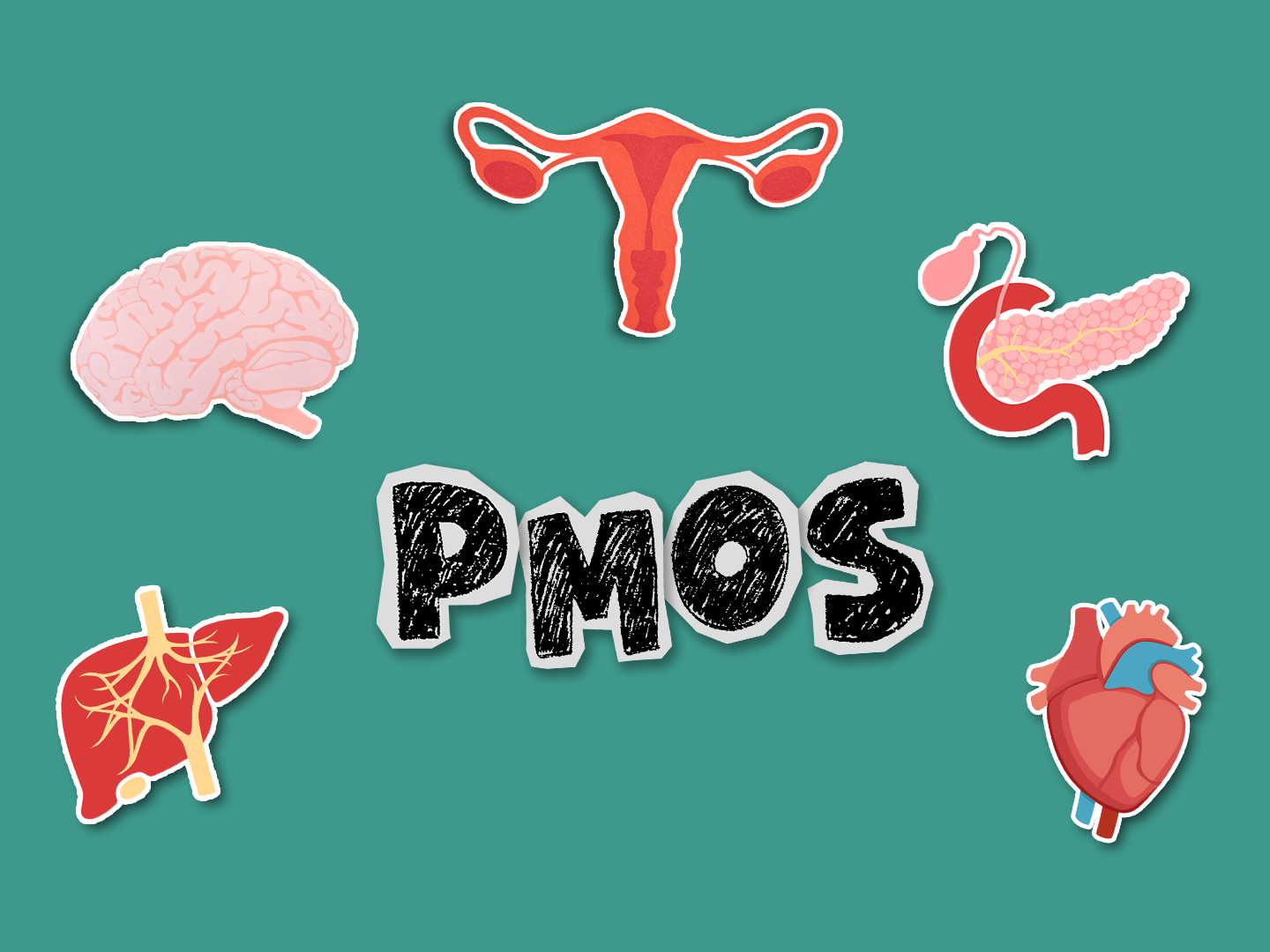
Polycystic ovary syndrome (PCOS) has been renamed polyendocrine metabolic ovarian syndrome (PMOS).
Professor Helena Teede led this name change after 14 years of research and global collaboration.
But why was it needed?
How Two Surgeons Named a Syndrome
While investigating infertility in women in 1935, two American male gynaecologists, Irving Stein and Michael Leventhal, found cyst-like structures on their patients’ ovaries during surgery.
After these cysts were removed, the surgeons reported that their patients’ menstrual cycles had returned and some were even able to conceive biological children.
In 1958, Stein published an article naming the condition Stein-Leventhal syndrome and claimed it could be cured with surgery.
This condition later became known as PCOS.
Medical Misnomer
The name polycystic ovary syndrome suggests that it’s simply a gynaecological disorder.
While the ovaries play an important role, the name doesn’t highlight the widespread impacts of this condition.
Patients often experience irregular menstrual cycles, insulin resistance, weight gain, acne and an increase in facial and body hair.
These symptoms don’t stem solely from the ovaries – they’re related to metabolic health.
Wait, What Cysts?
As it turns out, Stein and Leventhal hadn’t discovered cysts at all.
They were antral follicles – eggs that had stopped growing.
Unlike ovarian cysts, which are typically larger, having an excess of antral follicles rarely requires surgical intervention.
Catching Up To Science
“This change was driven with and for those affected by the condition,” Helena says in a media release.
“We are proud to have arrived at a new name that finally accurately reflects the complexity of the condition.”
PMOS is the most common hormonal condition in reproductive-aged women, affecting 170 million women worldwide.
An estimated 70% of patients are going undiagnosed, with one-third of women reporting that it took more than 2 years and up to three health professionals to get a diagnosis.
This name change is designed to reduce delayed or missed diagnoses and improve patient care and outcomes.
Adding the term ‘metabolic’ means that patients will be better screened for related conditions like obesity, type 2 diabetes, cardiovascular disease, and anxiety and depression.
Changing a name might not seem like a big deal, but for those seeking answers, it could change everything.