
You might be interested
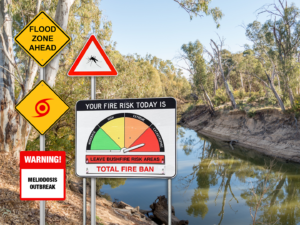

Australians of all ages love sport. From AFL to rugby to netball to cricket.
With many sports – especially those that are high-contact – there is always a risk of injury, including concussions.
Concussions have been a big focus in the media this year – and for good reason.
A blow to the head
Concussion results from a sudden impact to the head, face or neck, causing the brain to ‘move around’ inside the skull.
Concussion can happen to anyone – whether as a result of a sporting injury, vehicle accident, fall or act of violence.
Not all blows to the head result in concussion – it’s the force of the impact that determines the severity.
Spot the symptoms
There are various symptoms for someone who is concussed, be it mild or severe.
Common signs include headaches, dizziness, nausea or memory problems.
The concussed person may also complain of fatigue, blurred vision or ringing in the ears.
In the case of a serious concussion, the person might experience seizures, loss of consciousness, weakness or numbness, or a visible skull injury.
A person displaying any of these symptoms should seek medical attention.
A hard knock life
Most people recover from a mild concussion in about a month.
But it’s the more serious injuries or repeated blows to the head that are of most concern.
Growing evidence suggests the long-term effects from severe or repeated concussions can impact our brain function and health, leading to problems with cognition or causing mood disorders.
Thankfully there’s hope.
Melbourne-based researchers at the Murdoch Children’s Research Institute (MCRI) are investigating how concussion affects developing brains and seeing promising results.
In an Australian-first, researchers at Monash University have also launched a trial testing psilocybin therapy for lingering post-concussion symptoms.
Meanwhile, AFL clubs are now factoring concussion risk into training loads by limiting the amount of contact training their athletes have, thanks in part to better research and understanding.
Although the risk of concussion isn’t going away, our understanding and awareness is catching up.