
You might be interested

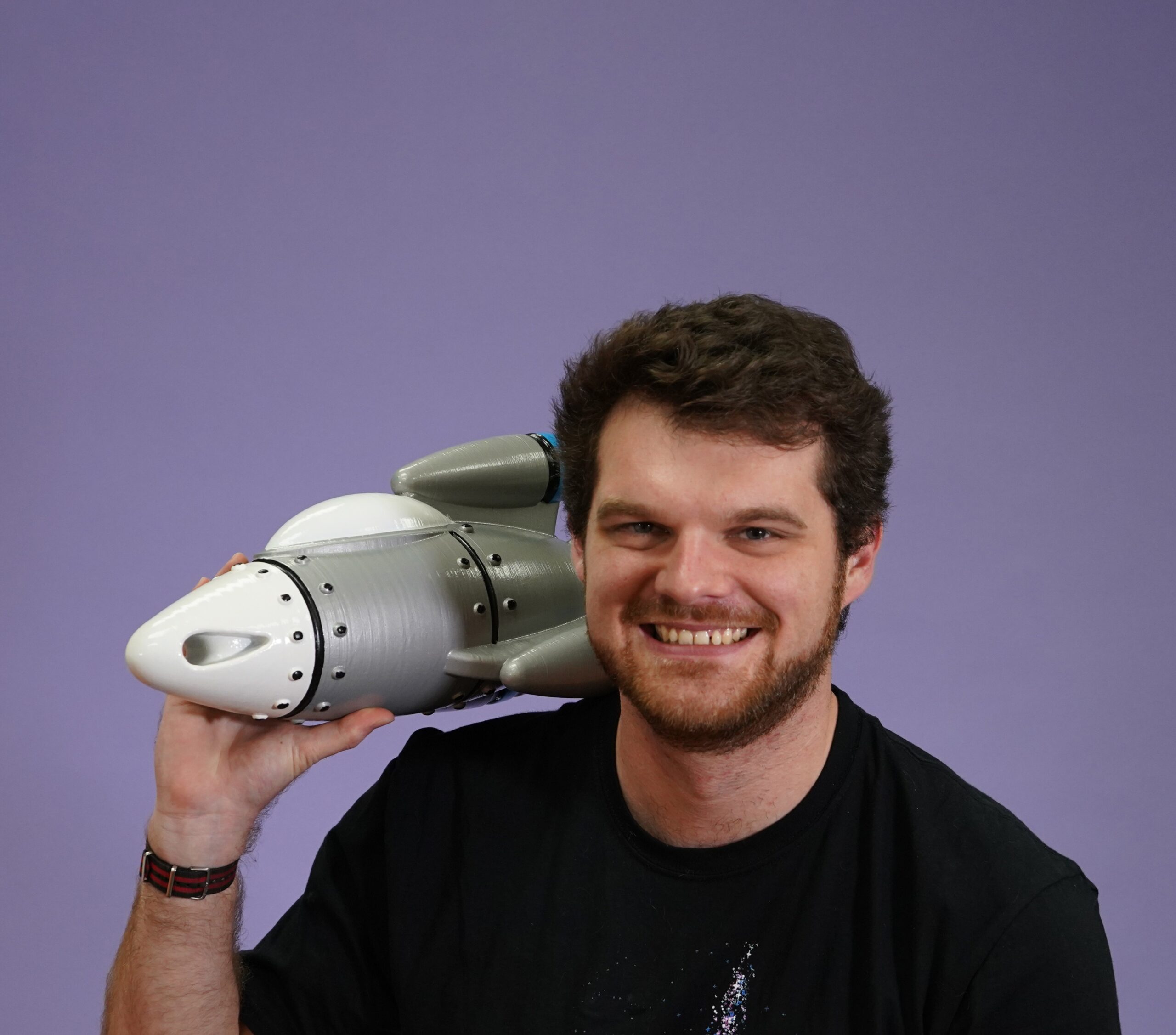
Dr Myles Murphy set out to become a sports physio.
“At the end of my degree, I was like, research is for losers,” says Myles. “There’s no way I’m doing that, not a chance.”
Despite that sentiment, he’s an Associate Professor at the University of Notre Dame, director of a team of scientists at the Centre for Injury Prevention and Pain and a 2026 Early Career Scientist of the Year finalist.
What changed?
After working with football and cricket teams for a few years after graduating, Myles went back to study a master’s in sports physiotherapy at Curtin University. This time, research wasn’t optional.
“Everyone in the cohort was dreading it – but I loved it,” says Myles.
“Looking back, I would tell myself not to rule anything out. Not saying ‘no’, more saying ‘not right now’.”
Physio research wasn’t what he had imagined.
“I don’t own a lab coat – but I can bring you to my gym,” says Myles.
Credit: Perth Wildcats
“Something that I always loved in my job as a physio was solving the problem, figuring out what was going on and how you would help someone.”
“In research, it’s exactly the same thing, just on a broader scale.”
Prevention is the best treatment …
Part of a physio’s work is trying to prevent injuries in the first place.
To do that, you need data about who gets hurt and how.
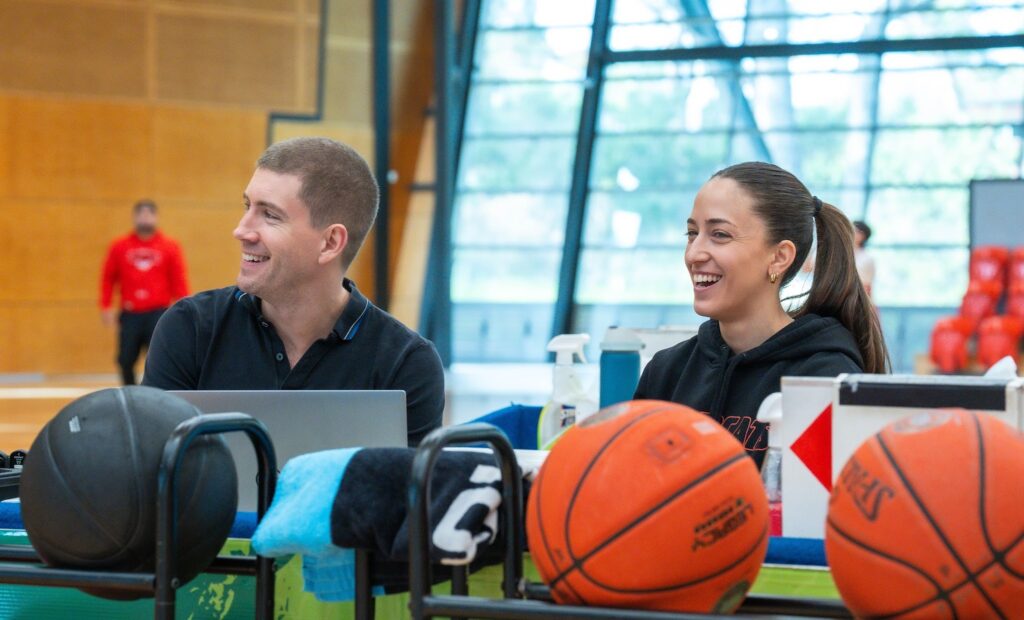
Myles works with sports leagues, including the Women’s National Basketball League and National Basketball League, to crunch injury numbers across every basketball team in both leagues.
Not every sport is so accommodating, Myles says.
“It’s a bit of an honour to be able to work with [the W/NBL],” says Myles.
“They’re quite unique in that they’ve got a really positive culture and they’re really supportive of player health.”
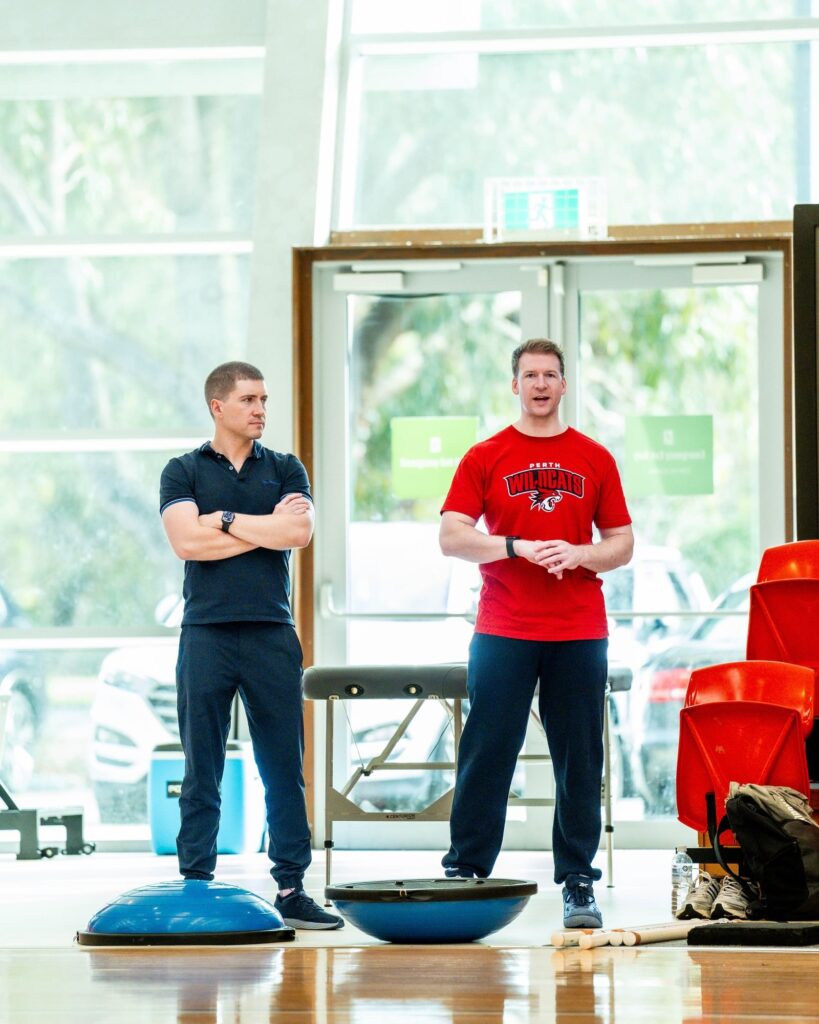
Credit: Perth Wildcats
He’s helped develop advice for athletes at every level, from national teams to young players hoping to avoid a career-ending injury.
“We’re designing [the athletes’] program so they get the most bang for their buck and really maximise prevention across the injury profiles that are most likely for them,” says Myles.
… but treatments are cool too
But what happens if you do get hurt?
Even if you make a seemingly perfect recovery, Myles’ research shows your brain can still think you’re hurt and unconsciously holds you back.
Myles asked people with old knee injuries to push as hard as they could – then jolted them with an electric current to measure what their muscles could really do.
“The gap between what they think is their max versus their max when we zap them is much higher,” says Myles.
“It’s kind of a fun test to deliver. Not so much to be a participant.”
But the study suggested a possible solution as well: a hat containing an electrical brain stimulation device.
It helped “take the brakes off” during rehabilitation exercises, Myles’ research shows, improving outcomes after knee reconstructions.
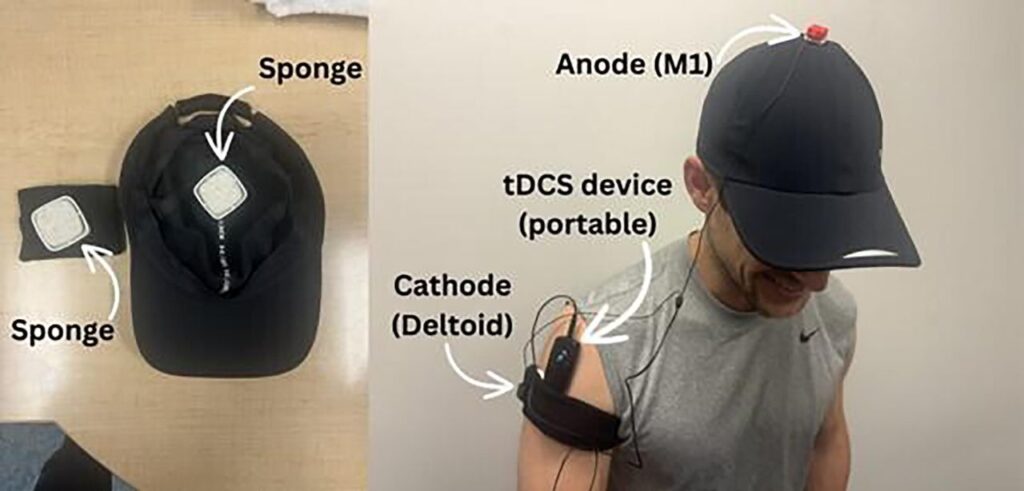
Credit: Murphy et al. (2024)
Not no, but not now
From studying entire sports leagues to making electric rehab hats, his research and work as a physiotherapist are all linked, Myles says.
“My research helps make me better in the clinic, and the challenges and problems I see in the clinic inform the research that I do,” says Myles.
His attitude towards research has changed from struggling to say yes to struggling to say no.
“I’ll start getting excited about an idea, and then I have to be like, Myles, you do not have the capacity for this.
“I’ve just gotten, I think, more and more addicted to research and solving problems every year.”