

You might be interested
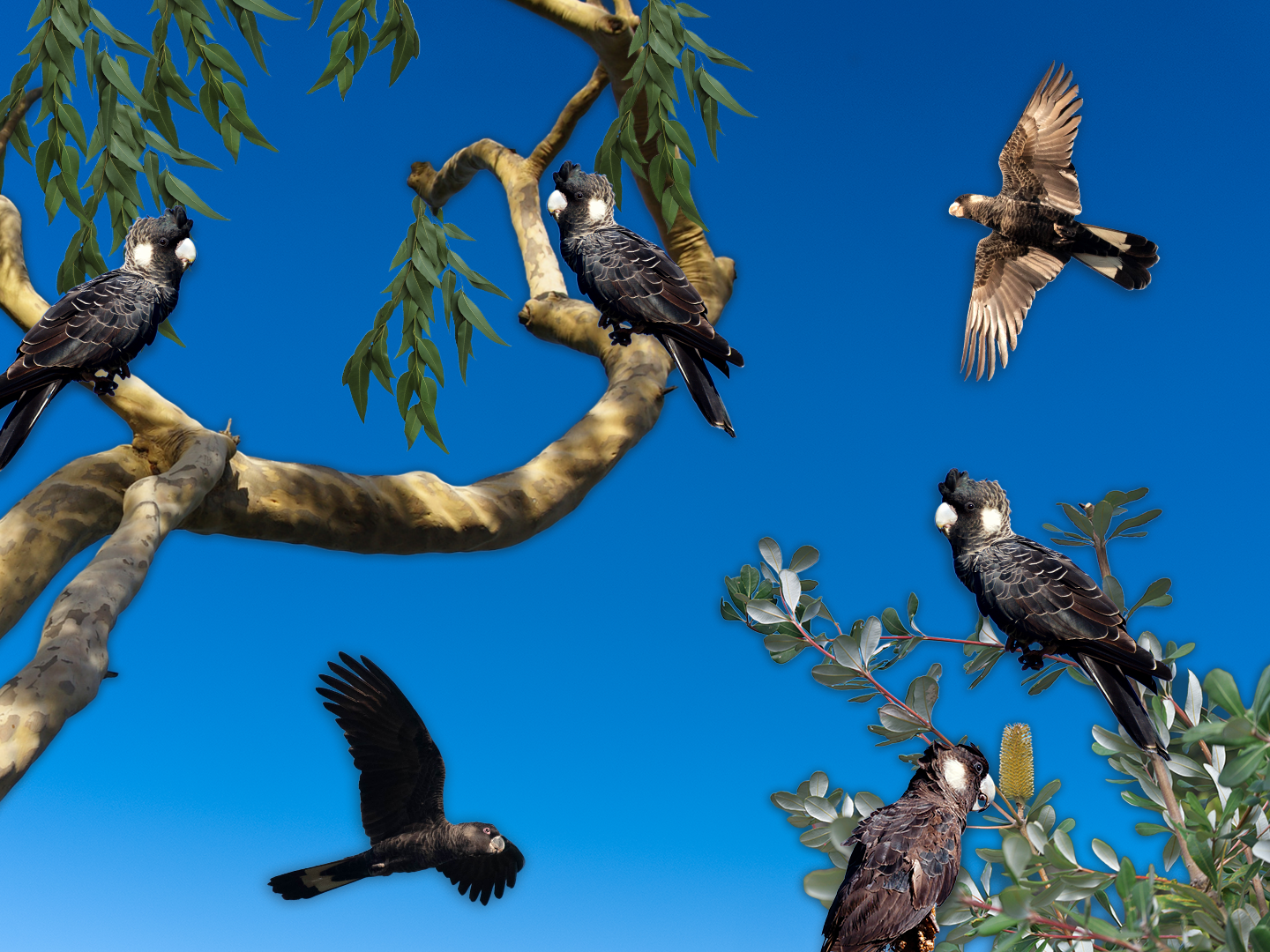
An ambitious 3-year project coordinated by UWA aims to establish WA’s largest-ever restoration corridor to save the endangered Carnaby’s black cockatoo.
Corridors for Carnaby’s is a collaboration between UWA, Winjan Aboriginal Corporation, 5 Rivers Natural Resource Management and conservation charity Carnaby’s Crusaders.
The project also has funding from the Amazon Right Now Climate Fund, which will help the team develop AI monitoring technology for the birds and a citizen science app.
BIRDS ON THE WING
Carnaby’s cockatoos live in native woodlands dominated by eucalyptus species and banksias.
They’re migratory birds, travelling between inland wooded areas, where they nest and breed from December to July, and banksia scrubland on the Swan coastal plain, where they feed in winter.
To survive and rear healthy young, the cockatoos need enough native bushland to provide food, water and shelter.
However, Carnaby’s cockatoos have lost 80% of their habitat to deforestation, leaving only fragmented pockets of native vegetation along their migration route.
In particular, removal of old eucalypts means there’s far fewer nesting hollows that are large enough for a pair of Carnaby’s to breed and raise their young.
A PATHWAY TO RECOVERY
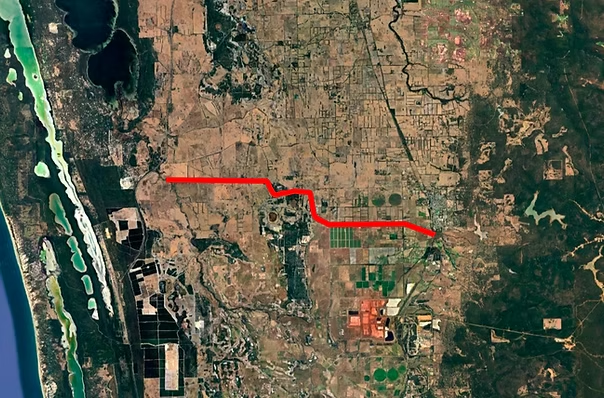
Corridors for Carnaby’s aims to replace what’s been lost by restoring a 10-kilometre habitat corridor near Mandurah, south of Perth.
The project aims to plant more than 200,000 banksia trees along the birds’ migration route, creating an unbroken stretch of habitat from their breeding grounds to the coast.
Nesting boxes and solar-powered water stations will be installed along the corridor, and fast-growing nut trees will provide food until the slower-growing natives mature.
Credit: Corridors for Carnaby’s
MANY HANDS MAKES FLIGHT WORK
An undertaking of this scale requires collaboration between a number of scientists and experts with diverse skills.
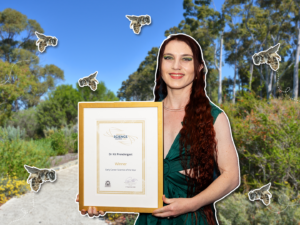
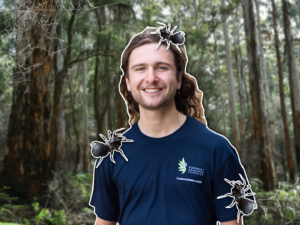
Dr Tristan Campbell, a data scientist at UWA with a background in geophysics, is leading the development of AI tools to improve the dataset on the project.
He began applying his knowledge to ecology projects while completing his PhD under Professor Kingsley Dixon AO, an esteemed conservationist and the director of Corridors for Carnaby’s.
“As a nerd that’s passionate about our nature, this is really a great project to work on,” says Tristan. “And the thing is, we’re all here for the birds. That’s what it’s about.”
He says the project’s strength is collaboration between different areas of expertise.
“We’ve got partners that cover the community areas, the technical areas, the commercial areas,” says Tristan. “It means you can deliver this, because if it was us ourselves, we couldn’t do it.”
ARTIFICIAL INTELLIGENCE, NATURALLY
Data science skills are really useful in ecology because high-quality information can make projects more targeted and effective, says Tristan.
“There’s a whole pile of special work around mapping and science characterisation for optimisation of revegetation,” says Tristan. “Then there’s ongoing monitoring of the performance of the rehab and how it goes over time.”
For this project, data science is being used to create detailed soil maps of the proposed corridor.
Tristan says the combination of more detailed satellite and aerial imagery means the team can tackle issues such as water repellency in soils to ensure that newly planted trees thrive.
In the future, an app will be released to help citizen scientists monitor the health of their local Carnaby’s.
Credit: Corridors for Carnaby’s
THE KEY TO CONSERVATION
Tristan says Carnaby’s cockatoos are a keystone species for the health of south-west Western Australia ecosystems.
Their population has more than halved in the past few decades
“The population is pretty dire, and there’s a lot more work to be done,” says Tristan.
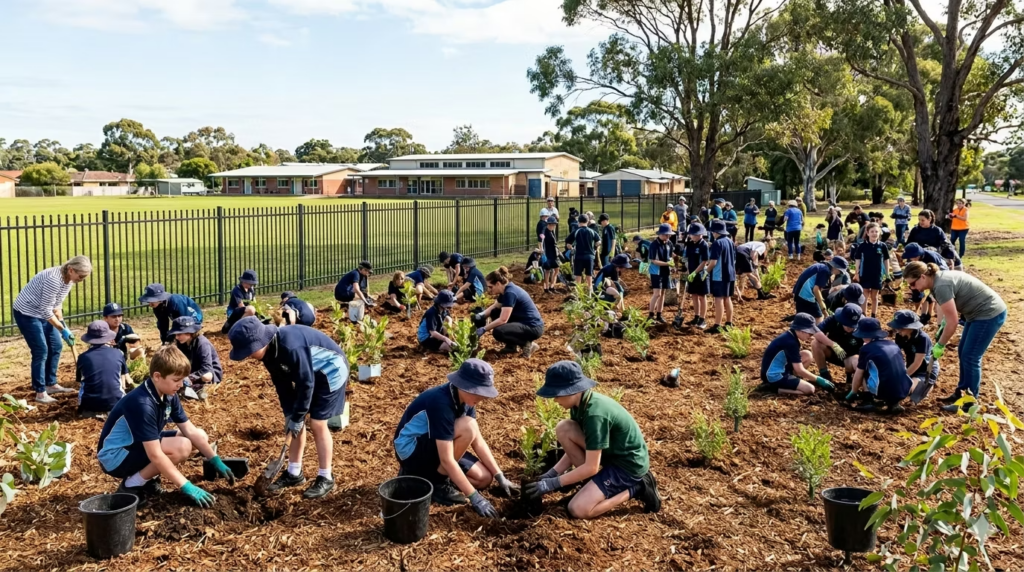
Alongside researchers, the community has an important part to play in this work.
“We’ve also had a few farmers actually donate their land from nearby as well,” says Tristan.
“The fact that we’ve got plenty of people wanting to help and really keen to get involved gives me hope.”