You might be interested



Love is mysterious. You feel it in your chest, your knees, your soul. Love will put you on budget airplanes across the world, leave you hiding from your own phone after a sent text message or perhaps standing in the rain with your belongings in a box.
In a 1610 essay, A Treatise on Lovesickness, French physician Jacques Ferrand notes the horrible symptoms of love – amorous fever, palpitations of the heart, causeless tears and other pernicious symptoms.
Love is a dangerous game. But fear not! Dating apps are an apparent salve for the treachery of dating and love.
They can deliver your perfect match, immediately identifiable by their answer to the prompt: “A random fact I love is …”
Despite the attractive conceptual convenience of couch surfing for your beloved, Professor Michael Small, Director of UWA Data Institute, says that the effectiveness of these apps is dubious.
The Problem with Measuring Love
“Love is a little difficult to qualify,” says Michael. “Dating apps work on predicting proxies for love, and that’s one reason why they are not always successful.”
But if they can’t measure fate or soulmates, how are they sending you matches?
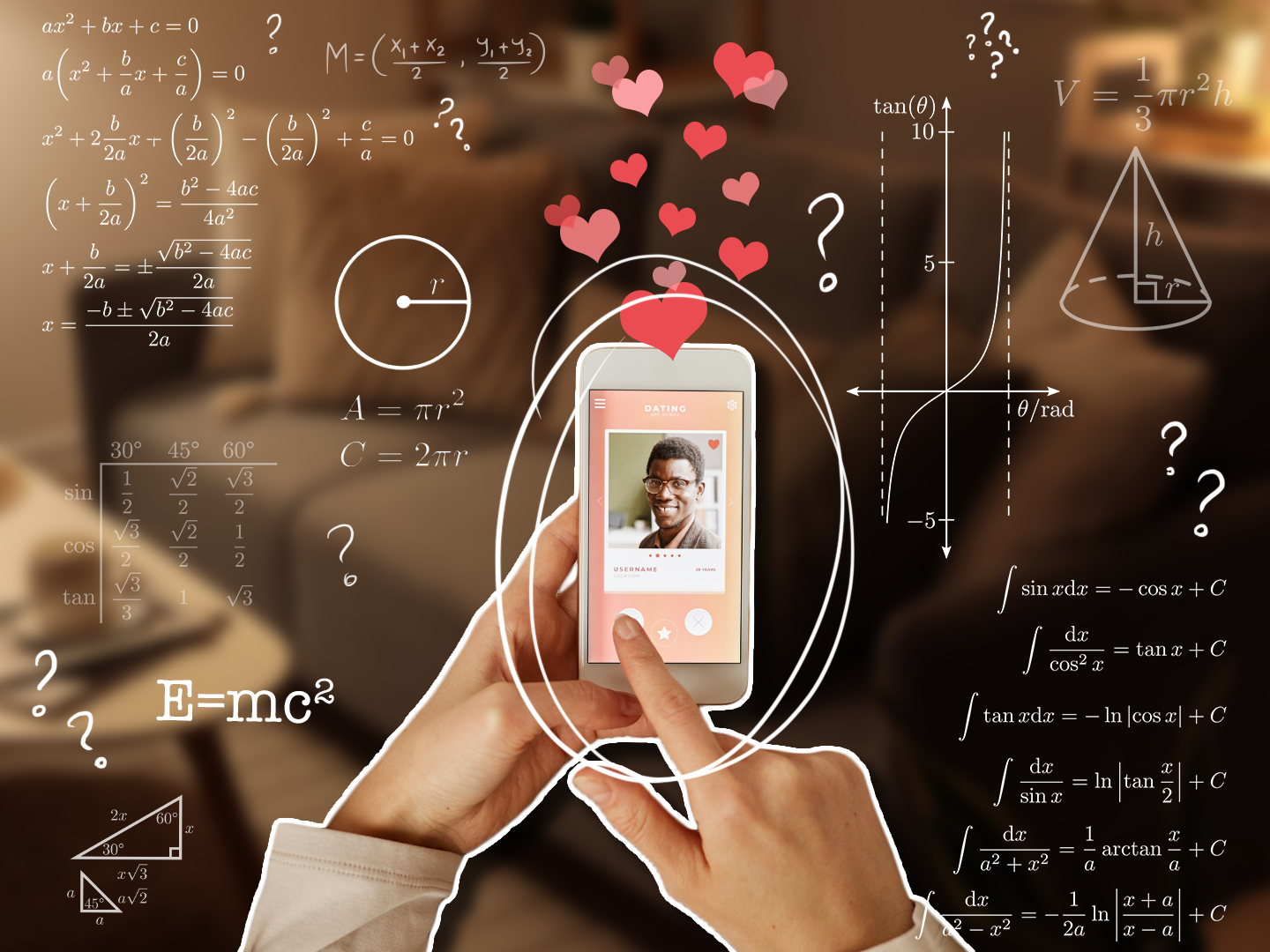
“At the very least, they are performing a sort of clustering algorithm based on the data you input when joining the app – so that your circle of recommendations will include many other lactose-intolerant Taoist trainspotters,” says Michael.
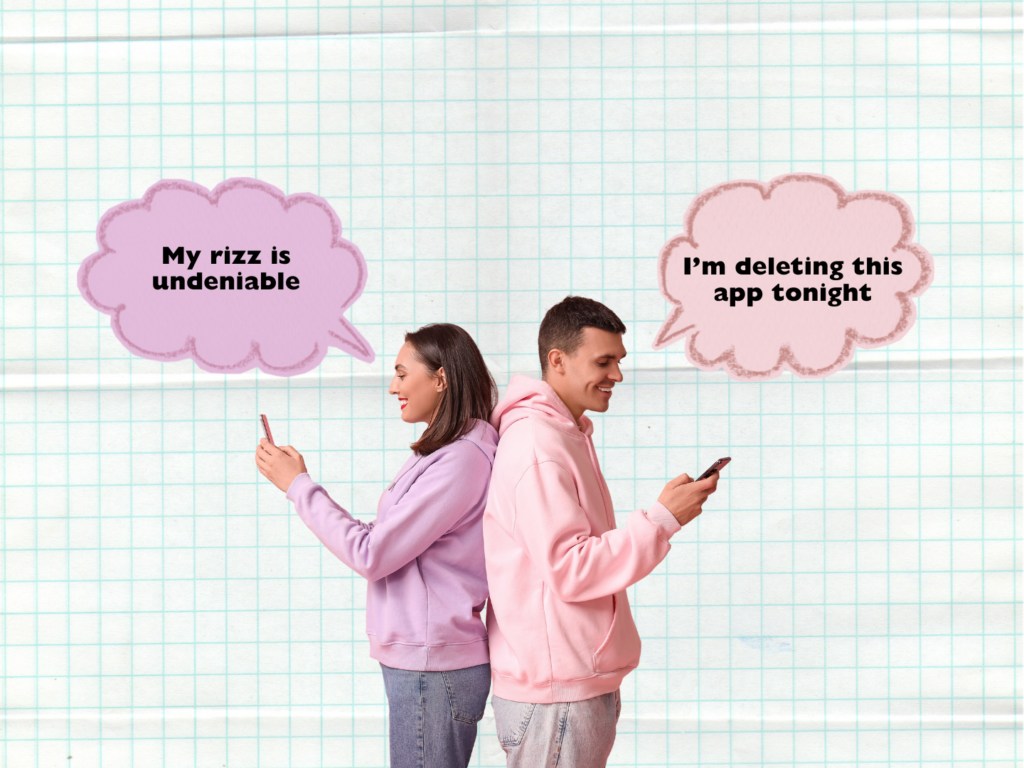
Credit: Kassandra Zaza/Canva
The system doesn’t rely only on the interests listed in your profile to bring you your soulmate.
The apps are also constantly learning from user interactions and essentially tier-ranking them into informal levels of hotness – cough, excuse me – desirability.
“This data borrows an algorithm that was originally used to rank chess players,” says Michael.
“The algorithm wants to figure out who is a 9 out of 10 and who is a 4 out of 10 – and then match the 9s together.
“Your ranking is determined by who swipes right on you – but also what their rankings are. If all your likes come from 3s, then you’ll also be rated as a 3.”
The result, Michael says, is a system prioritising one kind of compatibility above others.
“This does push the apps toward making matches based on compatibility of physical appearance rather than personality, for example,” he says.
When Looks Lead the Algorithm
Prioritising physical markers of desirability might explain some strange statistics that appear on dating apps.
“Men tend to be taller and women shorter than the general population – apparently the short men and tall women are finding their perfect matches without apps,” says Michael, as if turning to the camera and winking.
So what extra data would these apps need to match our tall kings to their beloveds more effectively?
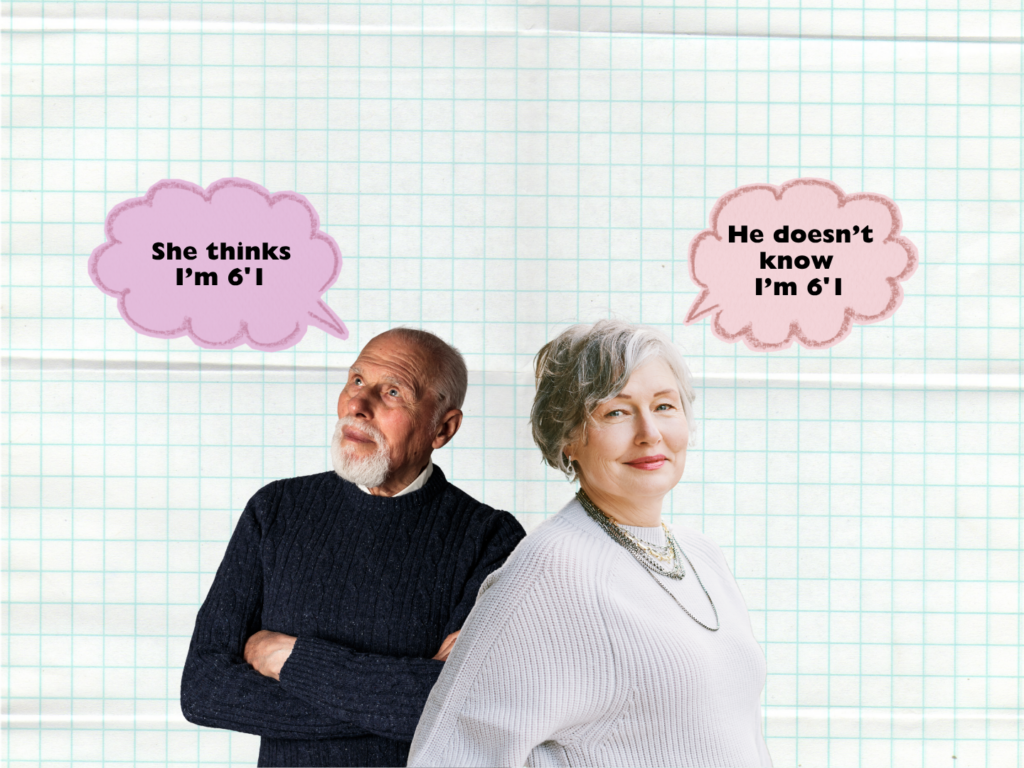
Credit: Kassandra Zaza/Canva
The Missing Data on Love
Ideally, researchers would know exactly what data the apps collect and be able to compare it with how long the resulting relationships actually last, says Michael.
“One could then build a predictive machine learning model of the whole system,” he says.
The problem? Dating apps rarely have that information. They know who matched, who swiped, who messaged – but not necessarily who met the love of their life.
Until these apps have a horrific amount of data about our personal lives, the algorithms guiding our romantic lives are doing the best they can with what they have. Patterns, guesses and no access to whatever metaphysical substance makes up the soul.
For now, love is still too confusing to compute.