


You might be interested



Home batteries are boring. All the technology in them existed before they were invented.
That’s what makes them so well suited to the climate and energy challenges we face today.
A home battery is quite literally a big battery attached to a house and its rooftop solar panels.
A rechargeable AA battery in a TV remote is not significantly different from a home battery. Home batteries are just much, much bigger (and safer due to slightly different chemistry).
Benefits for Everyone
The most obvious benefit of home batteries is lower household energy bills.
They store energy from rooftop solar panels to be used later, when the Sun’s not shining, rather than being pumped into the grid or dissipated.
They also have a hidden benefit. Home batteries can be programmed to power the home at peak usage times, like in the evening. This reduces strain across the whole grid, lowering power prices for everyone.
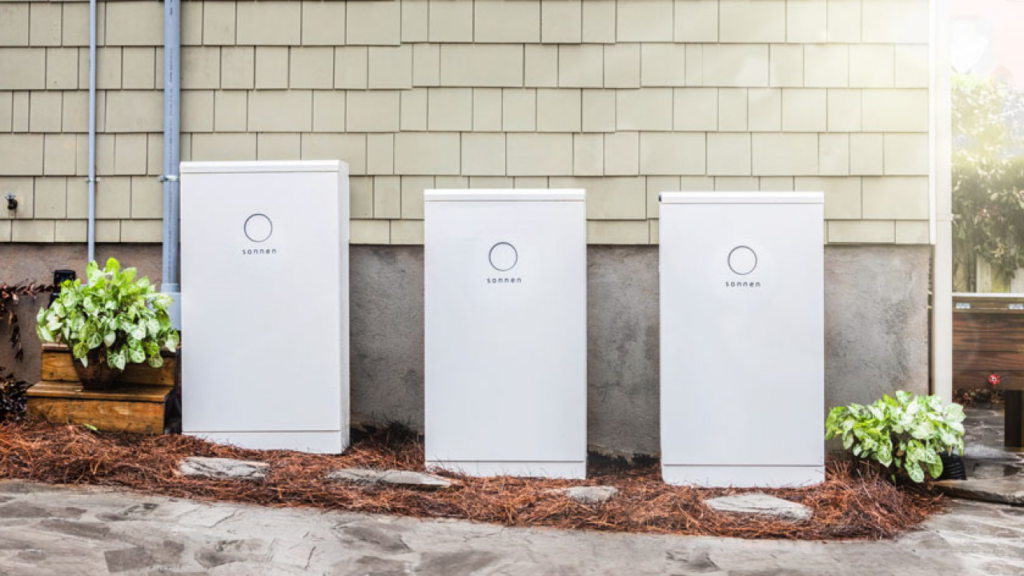
Credit: Sonnen USA, 2023 (CC BY-NC 4.0)
‘Everyone’ includes state governments, which fund a lot of the maintenance of our electricity grid. Hence the WA Residential Battery Scheme, which provides rebates and no-interest loans to help households buy home batteries.
If there’s less load on the grid, it costs less to run. Spending some money to offer a rebate today saves the government (and, by extension, taxpayers) a lot more in the future.
Efficient and Recyclable
Ideally, the future should include as few battery replacements as possible. That’s why home batteries in Australia have to meet extremely strict safety standards.
It’s also why most home batteries are lithium iron phosphate batteries, currently the most reliable commercially available type.
Lithium is also infinitely recyclable, though the process is long and expensive. Currently, only 10% of lithium-based batteries in Australia are recycled.
That percentage needs to increase if we are to realise a fully renewable energy grid where home batteries and larger community batteries work together to ensure there’s always enough electricity flowing for everyone to keep the lights on.
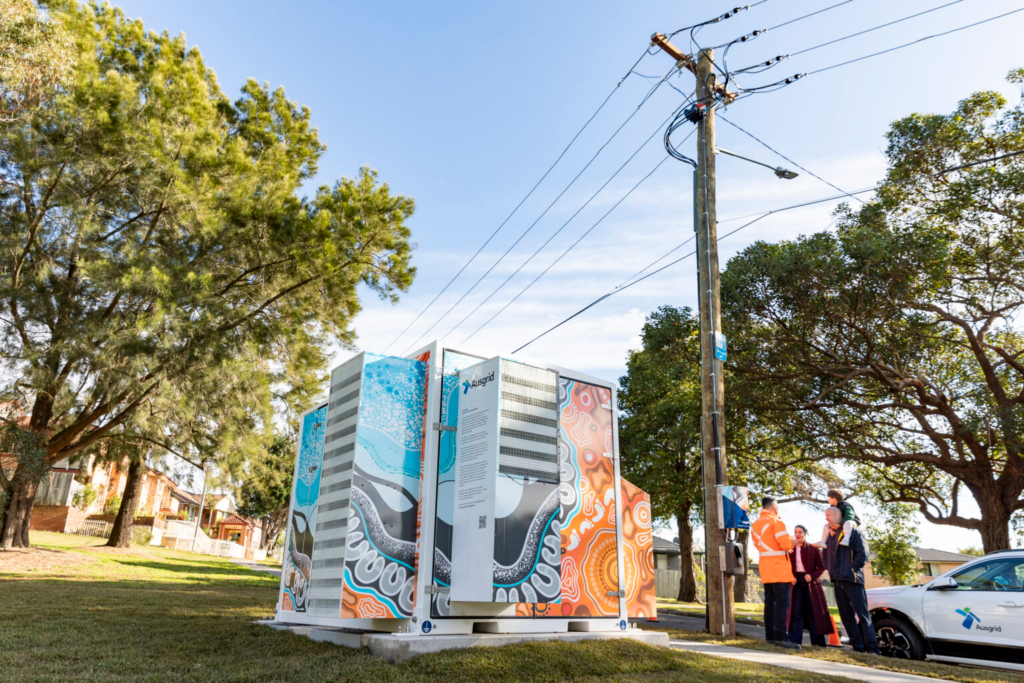
Credit: Australian Renewable Energy Agency, 2025. CC BY 2.5 AU
We’ve already made progress. Right now, batteries provide more grid energy than gas, and renewables contribute 55% of WA’s total energy usage.
We just need that last push to maximise the amount of lithium we recycle to make batteries as renewable as the energy they store.
Technology that already exists, a very safe investment and strict regulations. It’s all very ‘boring’, which is why it works so well.