

You might be interested


Some scientific breakthroughs may be lost to time due to scandal and redaction, while others are simply a case of waiting for more evidence.
We take a look back at some that made headlines – and that’s about it.
Alien messengers
In 2017, ‘Oumuamua sailed through our Solar System. It was the first known interstellar object to do so. The world, including scientists, cried “alien spacecraft”.
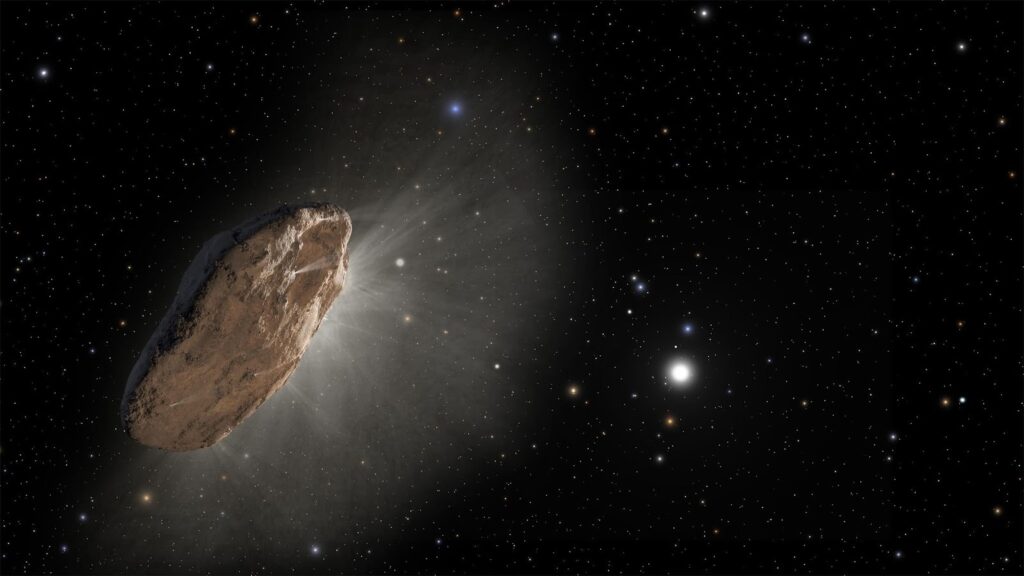
Credit: NASA, ESA, and J. Olmsted and F. Summers (STScI)
Scientists at the time were at a loss to explain why it sped up as it exited our Solar System.
While the Sun’s gravity has a slingshot effect that accelerates objects as they pass, this change in velocity was more than could be explained by solar gravity.
Could extraterrestrial technology have given the object a boost?
A few theories surfaced, with Cambridge University even outlining a research program based on ‘Oumuamua being an alien craft.
Harvard astronomers Shmuel Bialy and Avi Loeb published a paper in 2018 suggesting the comet could be a lightsail or a probe intentionally sent by an alien civilisation.
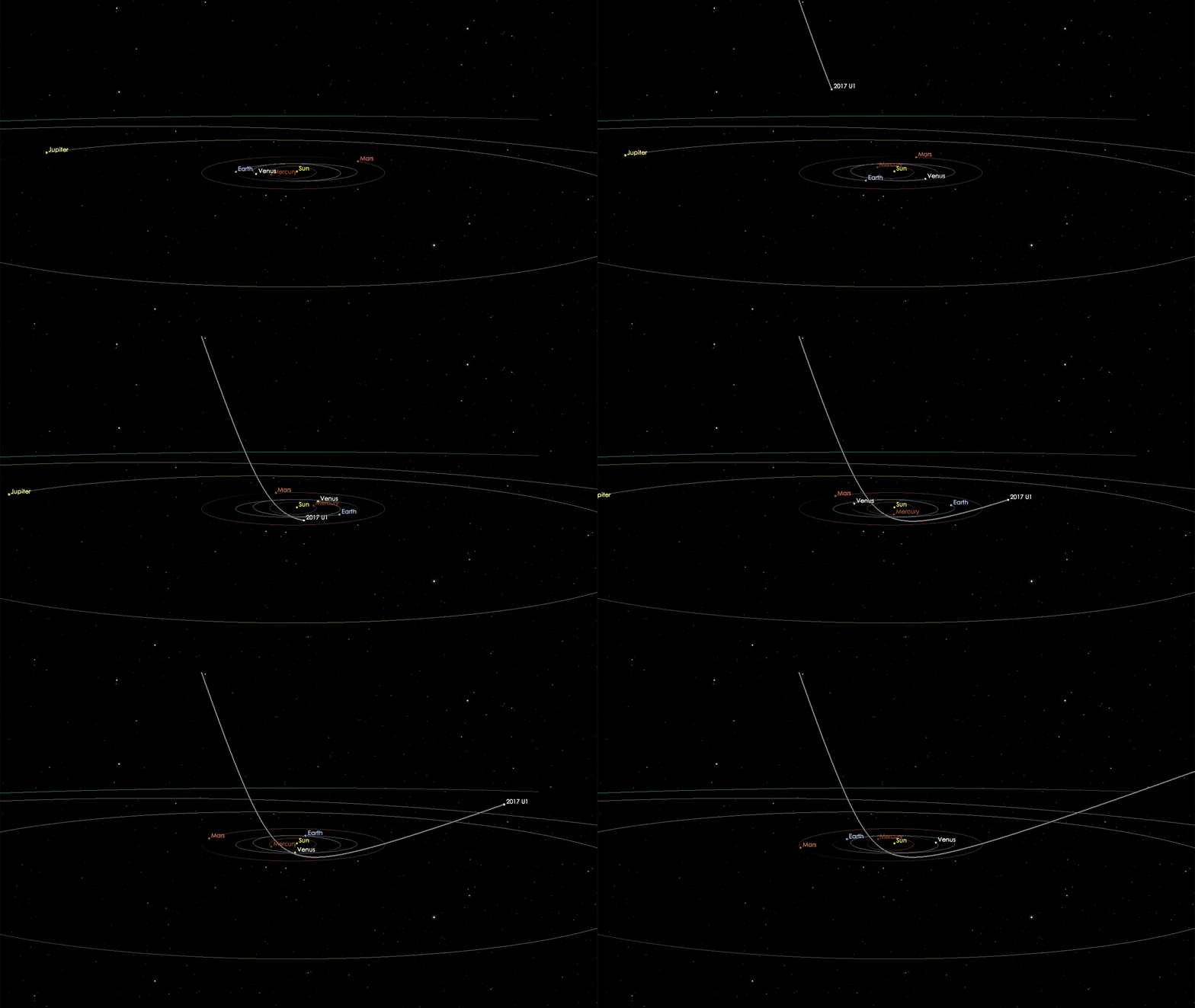
Credit: NASA/JPL-Caltech
However, without further evidence or explanation ‘Oumuamua and the promise of an alien civilisation fell off the news cycle.
In 2023, scientists published a paper presenting a plausible, non-alien explanation for the comet’s extra acceleration. It seems the comet might have hit the gas, literally.
Molecular hydrogen locked up in the comet’s ice structures may have been released, providing the propulsion.
It’s not just aliens making headlines. Life on Earth can cause a stir.
Cloning our own
After the success of Dolly, the cloned sheep, scientists turned to humans.
In the early 2000s, a few ‘breakthroughs’ in this area made headlines.
In late 2002, biochemist Brigitte Boisselier announced the birth of the first-ever human clone, ‘Eve’.
Eve came from Clonaid, a laboratory founded by the Raelian sect, a religious group who believe humans were created 25,000 years ago by an alien race.
Despite massive media attention, the refusal to provide any scientific evidence quickly cast doubt on the result.
In 2004, a South Korean lab published two papers claiming the creation of 11 cloned human embryos. Lead researcher Hwang Woo-suk was named a ‘supreme scientist’ for his findings. Everything soon came crashing down when it was eventually revealed the research relied on falsifications and unethical egg collection.
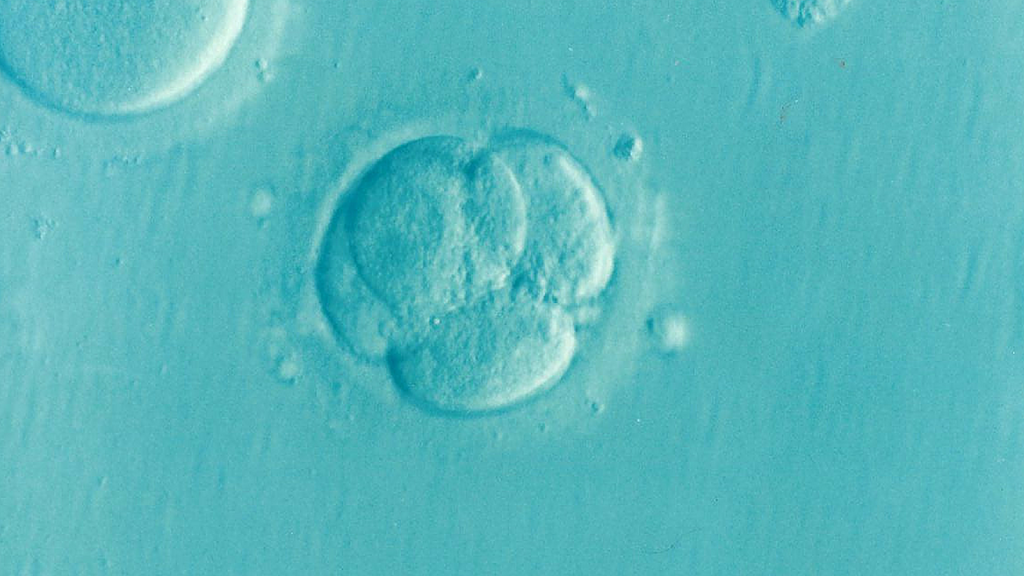
Credit: Public domain
While human cloned embryos were successfully created in 2013, progress in the field isn’t making the front page.
The ethical, legal and scientific concerns about human cloning mean most governments have widespread bans on the research.
What about life closer to home?
Every so often, the headline “evidence for life on Mars” pops up, but seems to fade as quickly as it appears.
In 2018, the Mars rover Curiosity detected small hydrocarbons. Hydrocarbon molecules are a necessary component of life, but they can be formed through non-biological processes.
Another breakthrough came in 2019 when multiple rovers and orbiters observed a massive methane plume, the first since 2009. The methane spiked at 21 parts per billion and vanished a few days later.
On Earth, methane is mostly produced by biology, like cow burps. This means methane on Mars could be a sign of life, but it could just as easily not be.
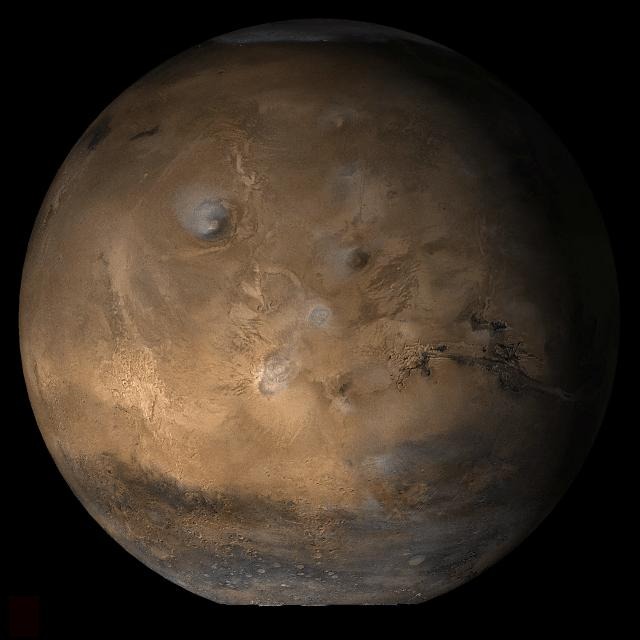
Credit: NASA/JPL/Malin Space Science Systems
This year, NASA has found long-chain hydrocarbons that come from fatty acids. While living things produce fatty acids, they can also be formed from geological processes.
Life on Mars might seem tantalisingly close, but we are yet to discover anything more than possibilities.
Humanity is persistent in our search for – or creation of – other life.
While for now it seems we are all alone orbiting the Sun on our rocky home, that won’t stop us broadcasting every tiny breakthrough of our scientific endeavours.