

You might be interested


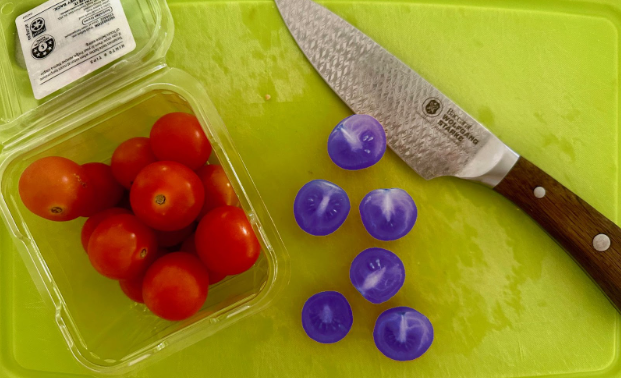
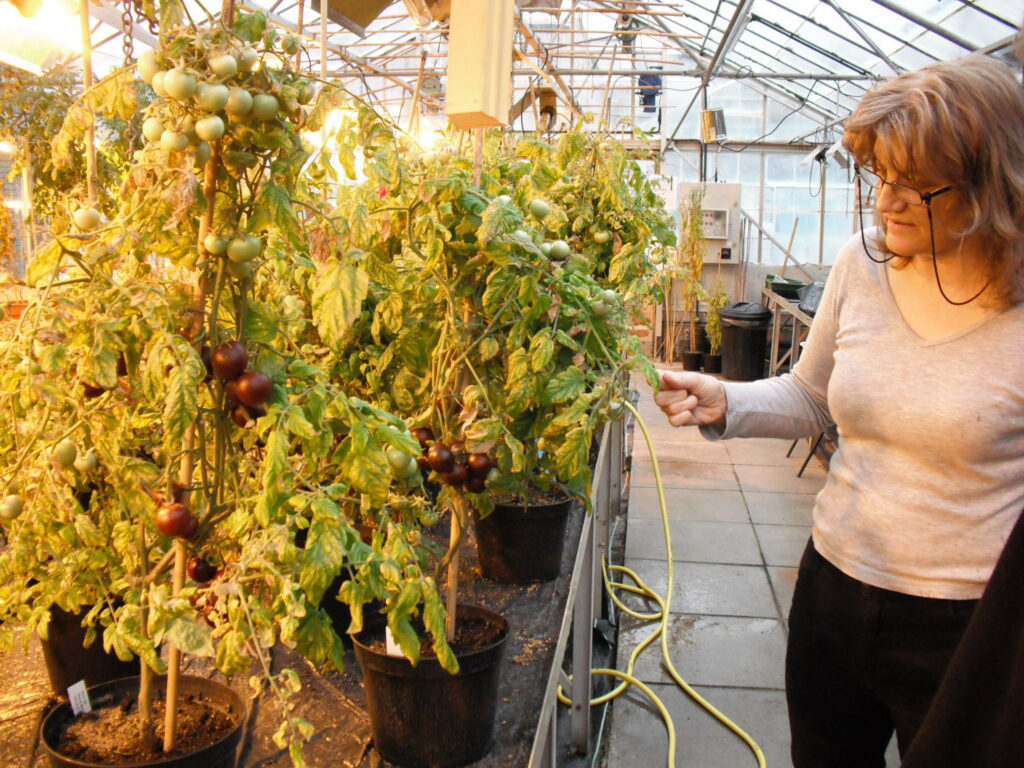
Editor’s note: The purple tomatoes in the above image are not the Purple Tomato™ product. The image has been edited to make regular tomatoes appear purple.
Humans have modified crops and animals for thousands of years. Long before laboratories, we selectively bred species for size, sweetness, colour and yield.
Vegetables like broccoli, cabbage and kale all come from a single type of wild mustard, created through selective breeding over generations.
Carrots were changed from purple and yellow to orange, showing nationalistic pride in 17th century Netherlands.
Genetic modification technologies accelerated something humans have always done with our food sources.
Western Australia declared itself a genetically modified (GM) crop-free zone in 2004, but this was gradually overturned between 2010 and 2016.
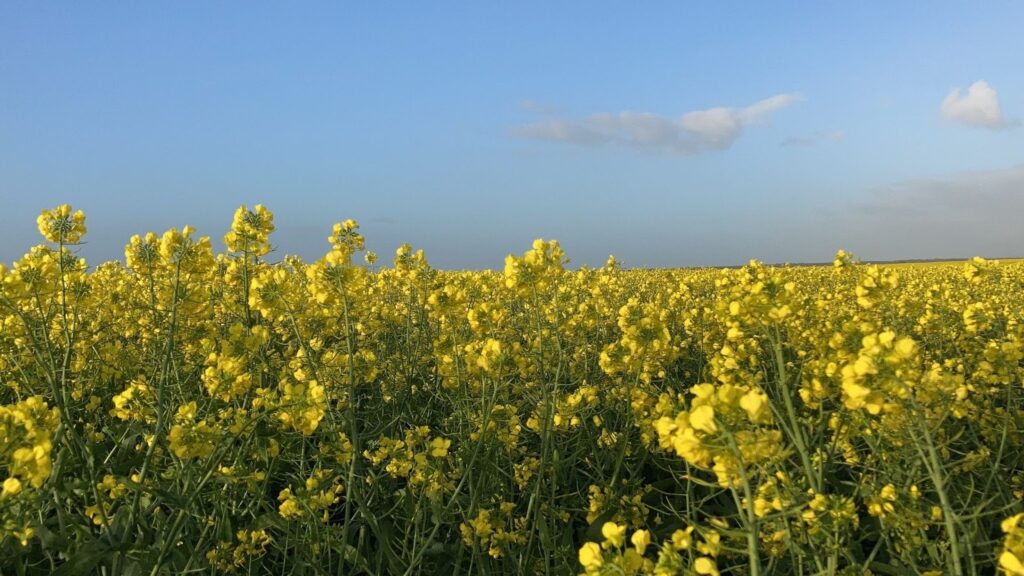
Credit: Kate Holmes
GM crops like canola and cotton are engineered to be herbicide tolerant or resistant to insects. This is a huge benefit to farmers, but these benefits usually go unseen for consumers.
The Australian approval of a GM tomato flips that focus from farmer to fork-holder.
IT AIN’T EASY BEING … PURPLE?
The Purple Tomato™ – a GM cherry tomato – is set to hit Australian supermarket shelves and garden centres in late 2026.
It will be the first commercially available genetically modified fresh food for sale in Australia.
Tomatoes naturally make tiny amounts of anthocyanins – the pigments that give blueberries and red cabbage their colour.
Normally, a tomato’s genes tell it to switch off anthocyanin production before ripening. But in the Purple Tomato™, scientists introduced two genes from snapdragon flowers that switched on higher levels of anthocyanin production.
This caused the tomato to express a vibrant, deep purple colour in the skin and flesh.
“[These] tomatoes are an exciting food innovation … with enhanced health properties,” says Professor Phil Brewer from La Trobe University.
“They are safe to eat. In fact, getting more anthocyanins in our diet is healthy.”
While aesthetic, why go to the effort of making a purple tomato? Will the colour be enough for consumers to try them? Or will they be just another passing novelty?
Credit: © Daniel Tan
TASTY, SOCIAL, SCIENCE
Food is social, not just scientific, says Dr Heather Bray at the University of Western Australia.
Cost, allergies, convenience, cultural and social values are additional factors beyond safety for food consumer decisions around food.
And importantly, food is meant to taste good!
When it comes to the Purple Tomato™, Heather says, “While safety is the most important concern when it comes to food, whether consumers find it tasty is the ultimate test for this new product.”
“There’s no scientific reason for birthday cake, but that doesn’t mean I want to live in a world without it.”