

You might be interested

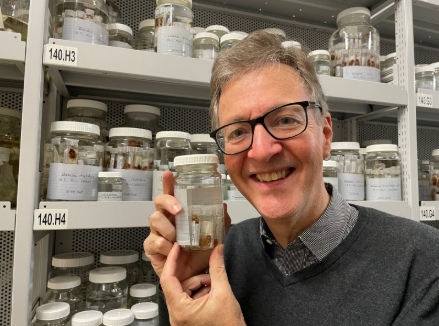
Dr Mark Harvey has been curiously captivated by little critters since he was a child.
“I used to bring stuff into the house. My poor mother was absolutely horrified by what I was doing,” says Mark.
“Especially when I got a car and I started driving around Victoria bringing things back [like] scorpions and centipedes, she was absolutely horrified.”
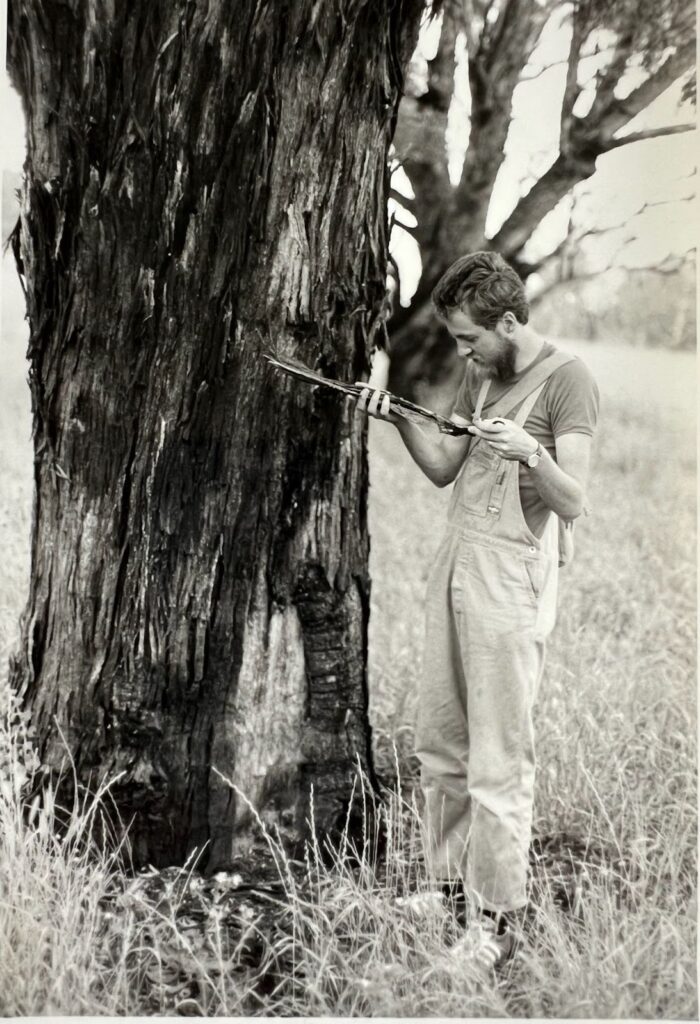
Credit: Supplied Mark Harvey
When he was 18, Mark discovered his first pseudoscorpion – a tiny arachnid that resembles a scorpion without a tail and sting – while exploring the bush near his hometown of Melbourne.
“I just got absolutely fascinated by these small things,” says Mark.
“I found my first one of those coincidentally on the same day that Elvis Presley died so that was always a memorable occasion.”
It also marked the beginning of a lifelong fascination with some of Australia’s smallest creatures.
DELVING INTO WA’S BIODIVERSITY
At university, Mark studied taxonomy – the science of identifying, naming and classifying living and extinct organisms.
After graduating, he spent 2 years at Museums Victoria and the Australian National Insect Collection in Canberra, before landing his dream job as Curator of Arachnids at the Western Australian Museum.
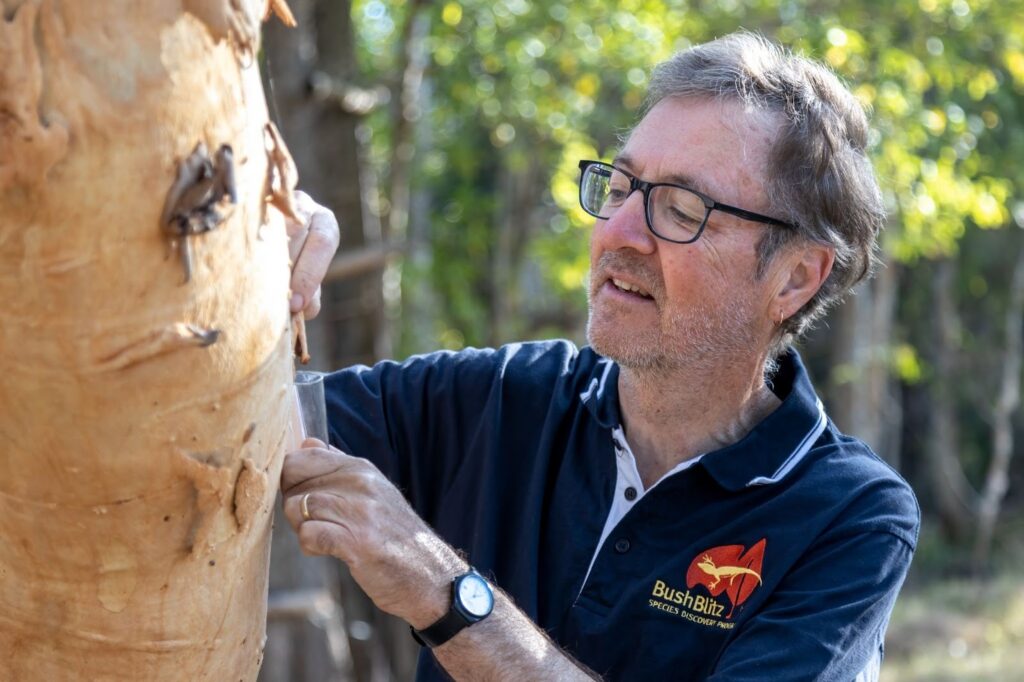
Credit: Supplied Bush Blitz
“Living and working in Western Australia for the last 36 or so years has meant that I’ve been able to work in one of the most remarkably biodiverse regions in the world,” says Mark.
“Landing a job in Western Australia was one of the luckiest things I could’ve imagined because it’s just got this plethora of landscapes to which you can apply your art, and taxonomy is kind of my art.”
Over nearly four decades, Mark has helped build one of the largest terrestrial invertebrate collections in the southern hemisphere.
“What I’ve discovered by doing fieldwork and examining museum collections is the diversity here in Western Australia is truly staggering,” he says.
“We know of hundreds and hundreds and hundreds of new species that, in my lifetime, I’ll never get the time to describe, but hopefully we can develop methods that speed that process up.”
NAME AND FAME
Naming a new species is one of the most visible and enjoyable aspects of taxonomy.
After discovering a new species of small spider in North Queensland, Mark chose to honour Sir David Attenborough.
In 2012, he met the world-renowned naturalist and presented a framed photograph of the tiny arachnid that now bears his name.
“He was absolutely lovely and very, very inspirational,” says Mark.
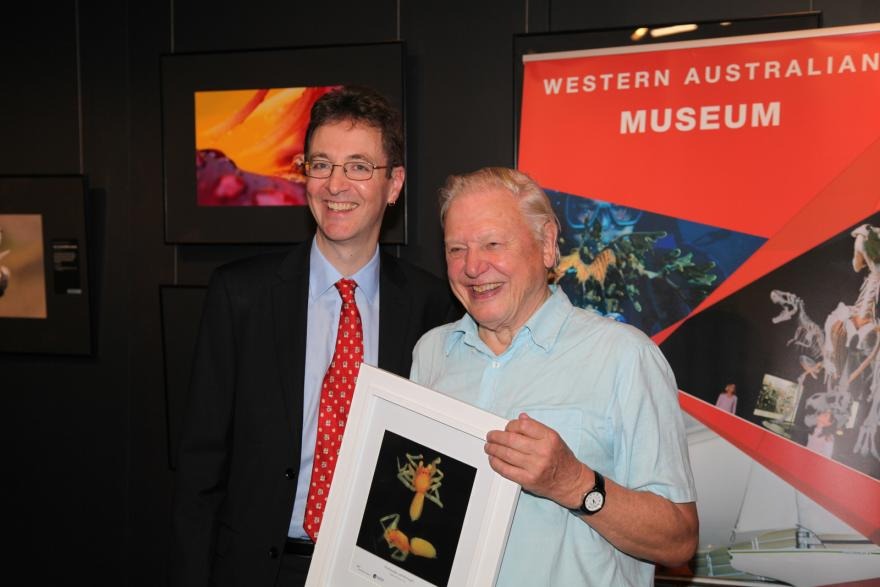
Credit: Supplied WA Museum
“He was so thrilled to have a tiny, little non-descript spider named after him, so it was a real highlight.”
But Mark’s work is more than identifying and naming new species.
THE BIGGER PICTURE
Taxonomy plays a major role in conservation and biosecurity, helping scientists understand ecosystems and how they are changing.
Museum collections are crucial to this work, allowing researchers to compare historical specimens with modern discoveries.
“There’s going to be a number of species that are represented in museum collections, especially from places like the Wheatbelt, that are possibly either extinct now or on their way to extinction,” says Mark.
“Without documenting these things and giving them names and putting them on the map, nobody knows they’re there.”
Mark reached a historic milestone last year, having described more than 1,000 new species and over 100 new genera of arachnids around the world.
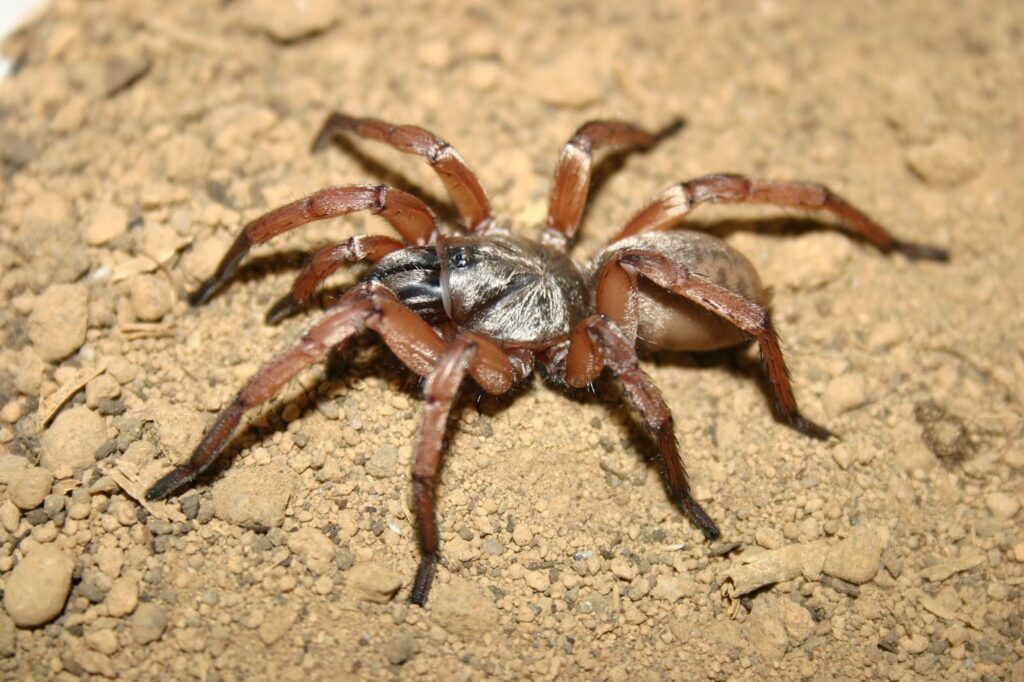
Credit: Supplied WA Museum
But he says there is plenty more to discover, particularly in WA.
“This just points towards how little work has been done on these sorts of invertebrates over the last few decades, and we’re just learning about them more and more,” he says.
“We’ve got a never-ending supply of undescribed species.”