
You might be interested


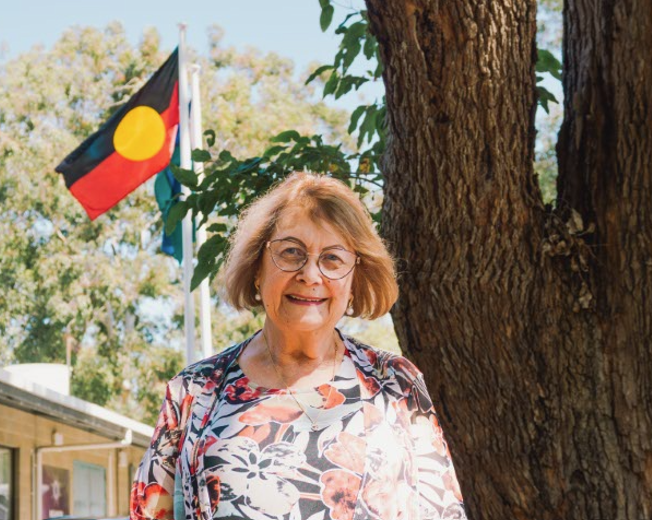
Since the age of 17, Professor Rhonda Marriott AM has dedicated her life to nursing and midwifery.
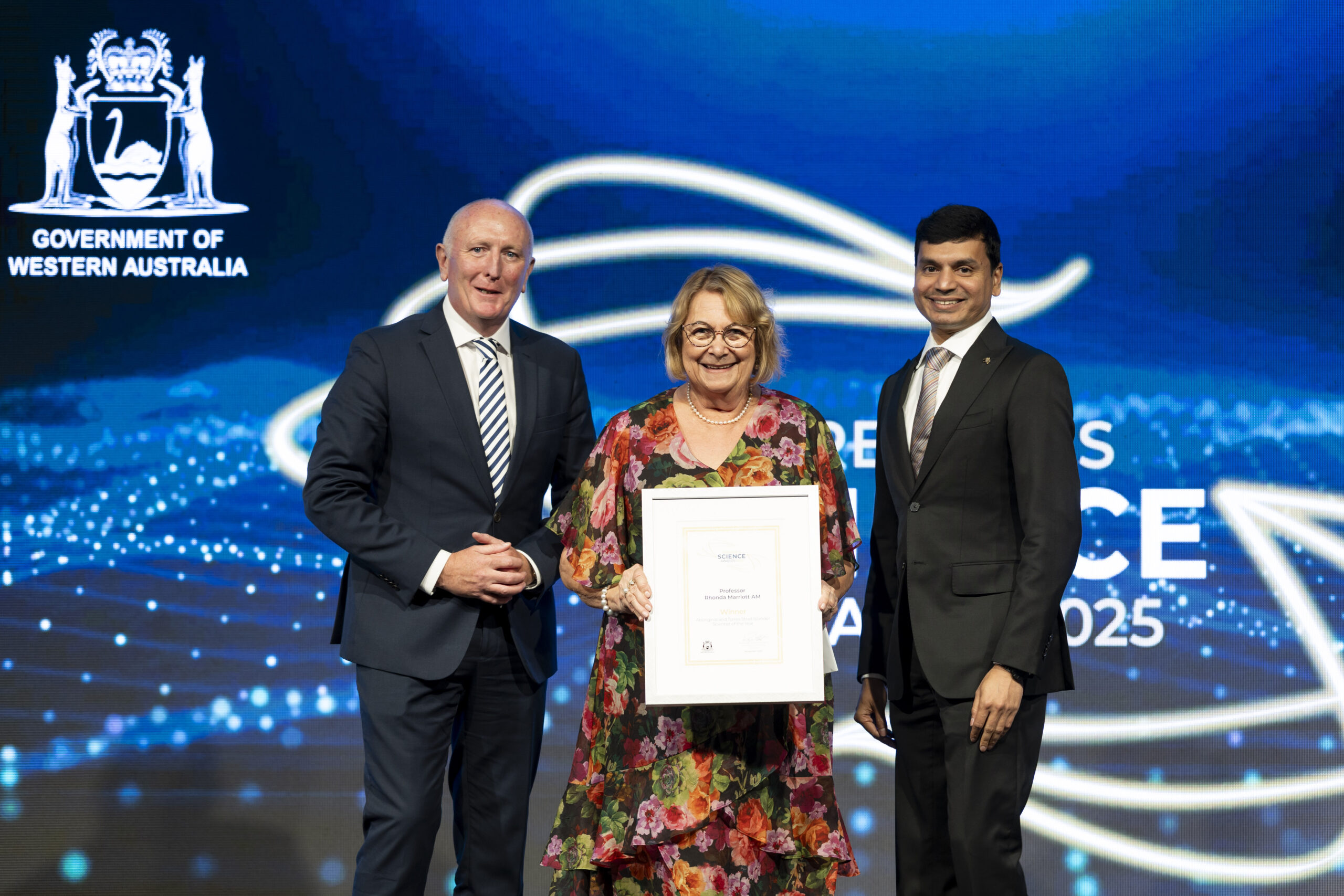
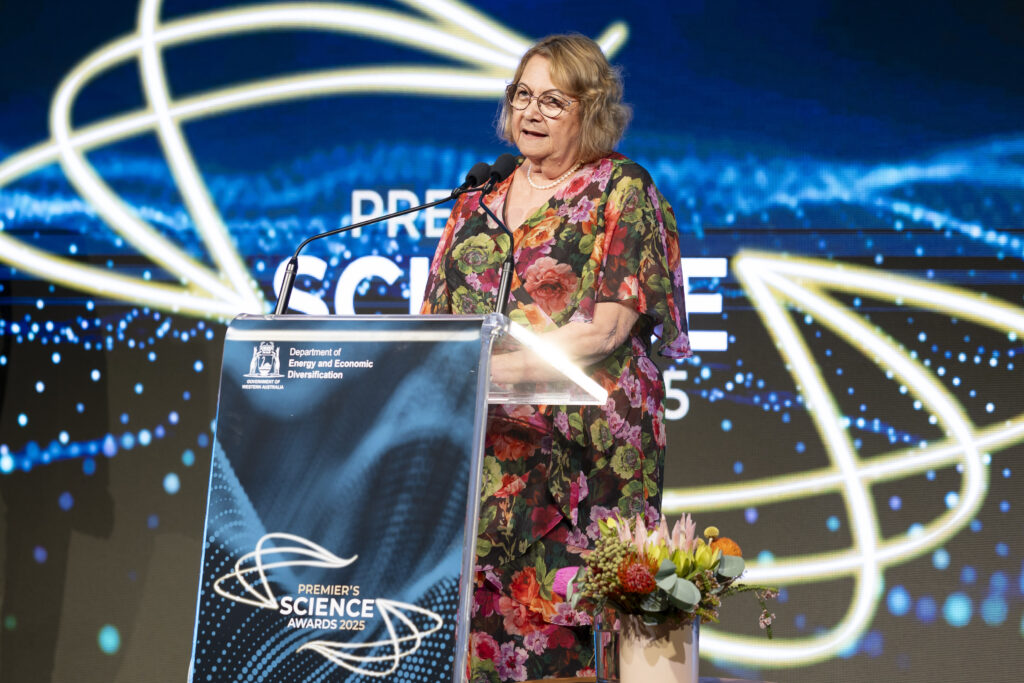
Her commitment was recently recognised as the joint winner of the Aboriginal and Torres Straits Islander Scientist of the Year.
As a Nyikina woman, it has always been important for Rhonda to focus on perinatal care for Aboriginal women.
She believes health professionals caring for Aboriginal women must have a cultural understanding.
“Those who are working with us need to have an understanding about our social determinants of health,” says Rhonda. “They need to have an understanding around intergenerational traumas that people might be carrying.”
But this understanding isn’t always there.
Credit: Supplied Rhonda Marriott
CLOSING THE GAP
Rhonda is the Pro Vice Chancellor of the Ngangk Yira Institute for Change. Based at Murdoch University, the centre focuses on Aboriginal health and social equity.
“My role there is to ensure that we have Aboriginal leadership in all the work that we do at the Institute,” says Rhonda, “and that we don’t do anything without Aboriginal people being involved.”
In 2023, Rhonda and her team published the Birthing on Noongar Boodjar Project Recommendations. The paper was the culmination of 5 years of research and involved interviews with Aboriginal women who had given birth on Noongar Boodjar and interviews with their midwives.
The study highlighted that Aboriginal women experienced many issues and service gaps in WA’s maternal care system.
“These weren’t experiences from a generation ago. They were current experiences of discrimination and stereotyping,” says Rhonda.
Access to Aboriginal staff and family support led to more positive prenatal and postnatal experiences for Aboriginal women, the study found.
“Providing a culturally safe experience is not rocket science,” says Rhonda.
“There’s a need for some change. And some hospitals are absolutely stepping up to it.”
Credit: Supplied Rhonda Marriott
LEADING THE WAY
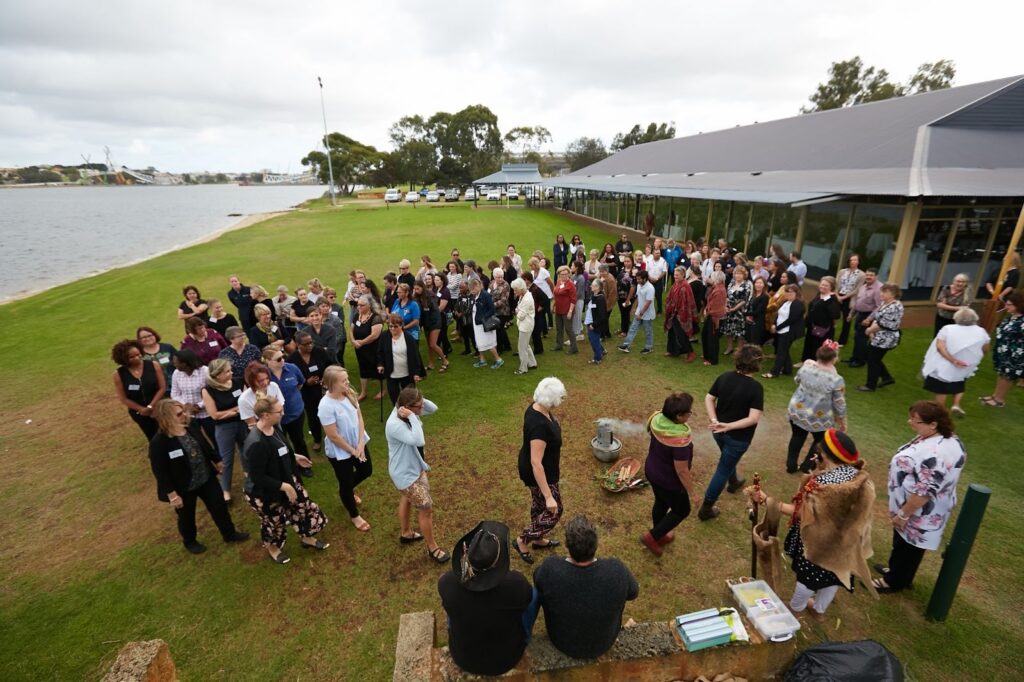
In 2007, the Armadale Health Service started the Boodjari Yorgas Midwifery Group Practice.
It offers Aboriginal women the choice to be cared for by one midwife with a full understanding of their cultural context and the support of an Aboriginal Health Officer and Grandmother Liaison Officers.
“The women’s needs are very much being taken into account,” says Rhonda. “And they use an assessment process developed by the Ngangk Yira Institute for Change called Baby Coming You Ready?”
Through the assessment process, expectant mothers can share their needs and any concerns about the pregnancy.
“It also allows a woman to begin to think of her own birth,” says Rhonda. “What she would like to have from a cultural perspective. A birthing plan.”
BUILDING TRUST
During her career as a midwife, Rhonda observed many ‘modern’ or ‘Western’ scientists reject alternative approaches to perinatal care.
This caused friction between Aboriginal people and the healthcare system.
“If we don’t feel welcome in a place, we don’t go back,” says Rhonda.
More recently, Rhonda has seen practitioners of Western medicine embracing the scientific and cultural knowledge of First Nations peoples.
In return, First Nations peoples are more trusting and open to share their knowledge.
“Aboriginal people are feeling more sure that there is not going to be indiscriminate co-opting of our knowledge and then purporting it as someone else’s knowledge,” says Rhonda.
Credit: Credit: John Koh/Department of Energy and Economic Diversification
LOOKING FORWARD
Although she has many academic achievements and accolades, Rhonda is proudest of the ideas and insights she has translated to clinical practice.
“I’m seeing the mandates of the Ngangk Yira Institute becoming real,” says Rhonda.
“That’s a shared achievement. So many people have contributed to that. It’s not just my achievement alone.”
And as far as she’s concerned, the mission to improve WA’s mainstream healthcare services for Aboriginal peoples has a long way to go.
“We are working on so many different projects that we want ‘business as usual’ to be embedded in the health services.”