
You might be interested

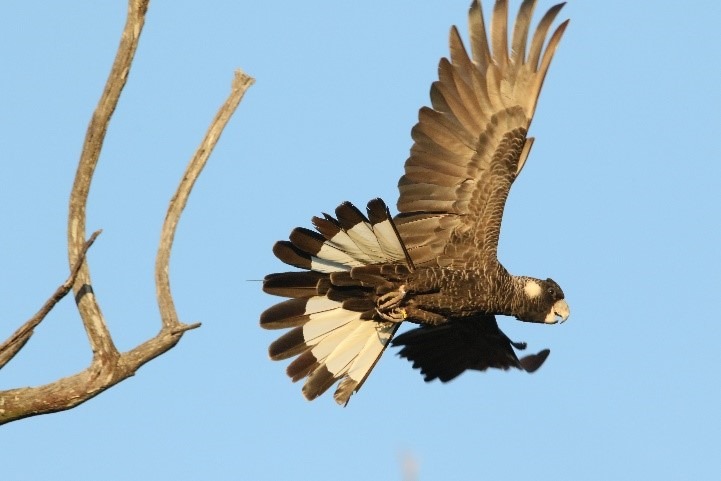
Western Australia’s iconic Carnaby’s, forest red-tailed and Baudin’s black cockatoos are under threat.
The Keep Carnaby’s Flying: Ngoolarks Forever project is trying to save them from extinction
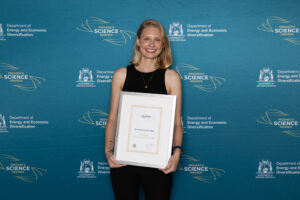
This science-informed, community-based project has been awarded the Premier’s Science Award for Science Engagement Initiative of the Year.
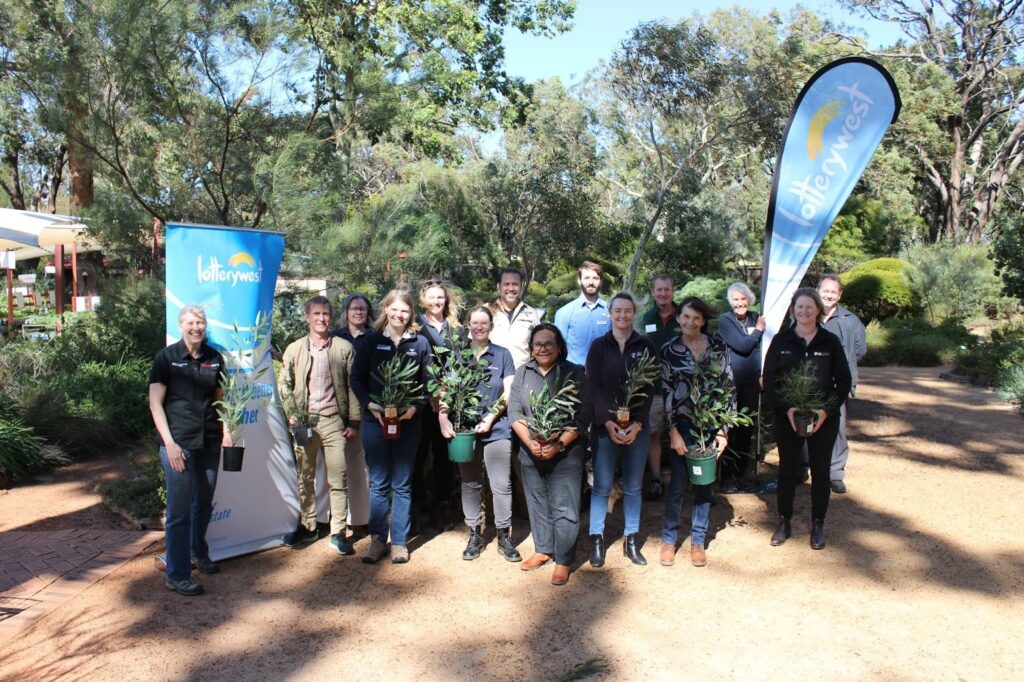
Keep Carnaby’s Flying: Ngoolarks Forever ran from October 2022 to October 2024. It was led by Murdoch University, supported by Lotterywest and involved collaboration with many community partners.
Credit: Supplied Kris Warren
KEEPING CARNABY’S IN OUR SKIES
Kris Warren, a Professor in Wildlife, Zoological and Conservation Medicine at Murdoch University, led the project.
“Keep Carnaby’s Flying: Ngoolarks Forever was a large-scale community engagement project,” says Kris.
Carnaby’s black cockatoos are threatened by habitat destruction. Trees they use for feeding and breeding are being rapidly cleared for mining and property development.
“The project aimed to raise awareness of the plight of Carnaby’s black cockatoos and empower the community to protect Perth’s threatened black cockatoos,” says Kris.
Kris and her team have researched black cockatoos for 18 years, focusing on their health and movement.
The project had a wide scope. Over 50,000 food plants were planted, Cockitroughs (bird hydration stations) were installed, and conservation action plans for local government areas were written.
“We collaborated with eight local governments over the 2-year period, and we used the data from the research on black cockatoos to inform those plans,” says Kris.
A TEAM EFFORT
The Science Engagement Initiative of the Year award recognises outstanding community awareness, interest and participation.
Keep Carnaby’s Flying: Ngoolarks Forever brought 11 partners, 12 collaborators and eight local councils together.
“Tapping into existing networks that exist within the community enabled [the community] to undertake those essential on-ground conservation management activities for the cockatoos,” says Kris.
“It’s not very often you have an opportunity to really be able to apply the findings of scientific research to on-ground conservation management activity.
“It was a real privilege for our team to be able to work alongside these organisations.”
Credit: Supplied Kris Warren
CULTURAL SIGNIFICANCE
Black cockatoos have a strong cultural significance for Noongar people.
First Nations knowledge was a key component of the project.
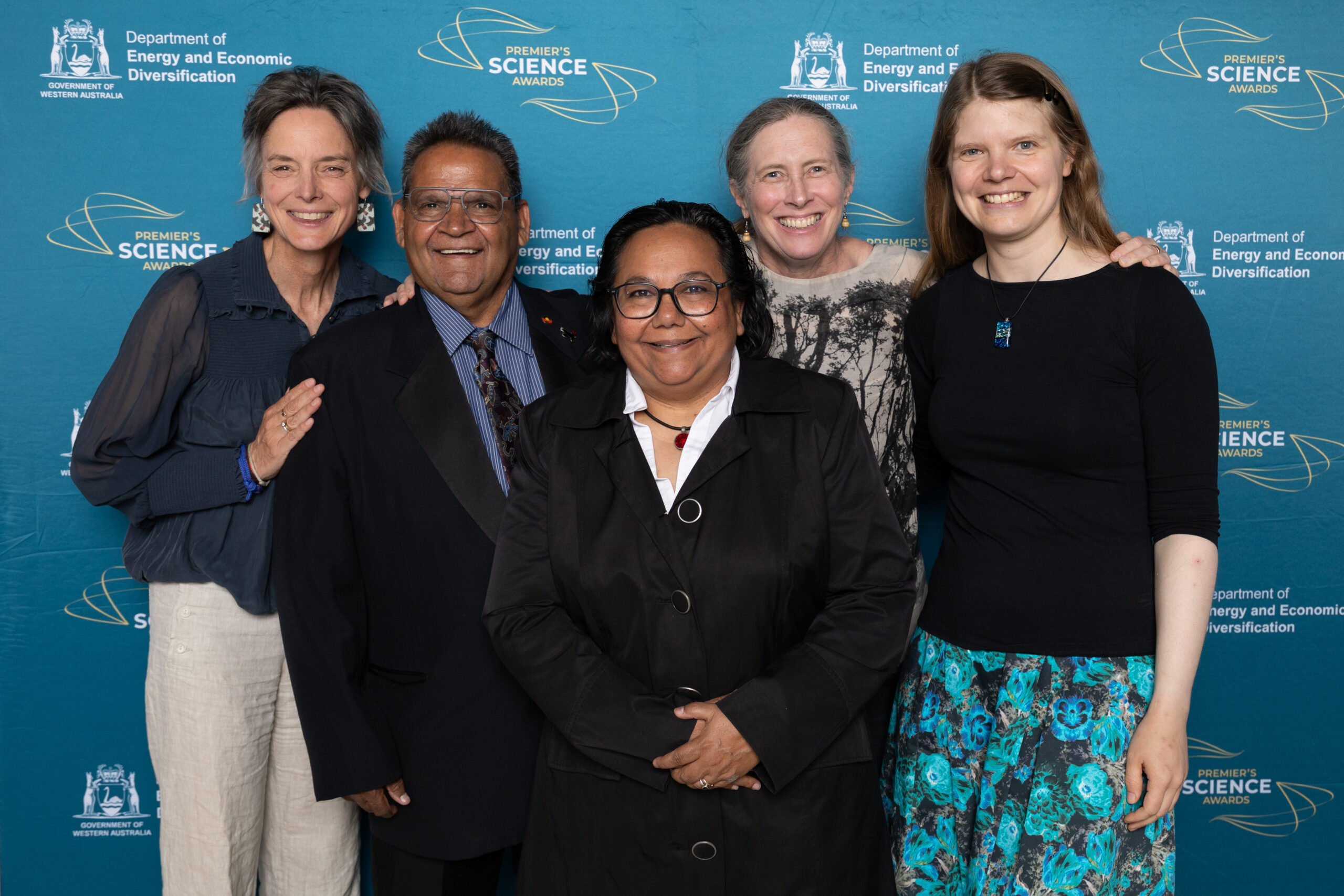
“We collaborated with Elders from Ngangk Yira Institute for Change at Murdoch University and from Winjan Aboriginal Corporation,” says Kris.
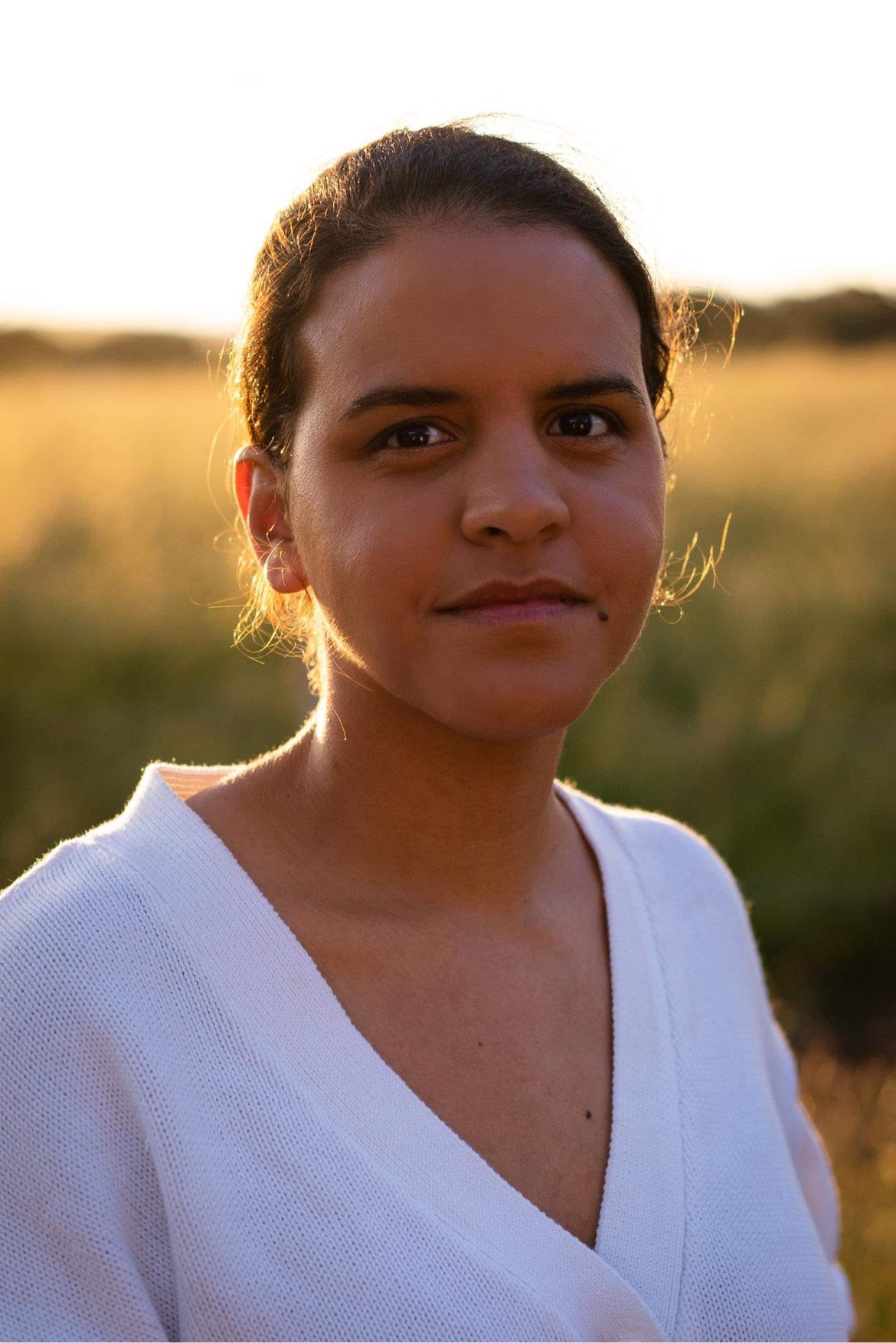
“There was also a Cultural Engagement Lead on the project, Dr Barbara Hostalek.
“She worked in collaboration with Elders and undertook school incursion activities in conjunction with Kaarakin Black Cockatoo Conservation Centre.”
Dr Hostalek compiled testimonials from Noongar Elders and leaders about Ngoolarks/Carnaby’s on Noongar country and why saving black cockatoos means saving Country.
WHAT’S NEXT?
Kris describes Keep Carnaby’s Flying: Ngoolarks Forever as an ignition project.
“What we’ve seen is this incredible ripple effect where our partners have continued to work with the local governments to implement the locality-specific Black Cockatoo Conservation Action Plans,” says Kris.
“Our team at Murdoch continues to seek funding to develop Black Cockatoo Conservation Action Plans for additional local governments.
“The plans are blueprints that can inform local government activities going into the future.”
With an initial focus on the Perth-Peel region, Kris hopes the project will expand into the South West region Carnaby’s are also endemic to.
Winning a Premier’s Science Award is significant for a project reliant on galvanising community action.
“It helps raise the profile of the project, the plight of the birds and the need for conservation of the birds.”