
You might be interested

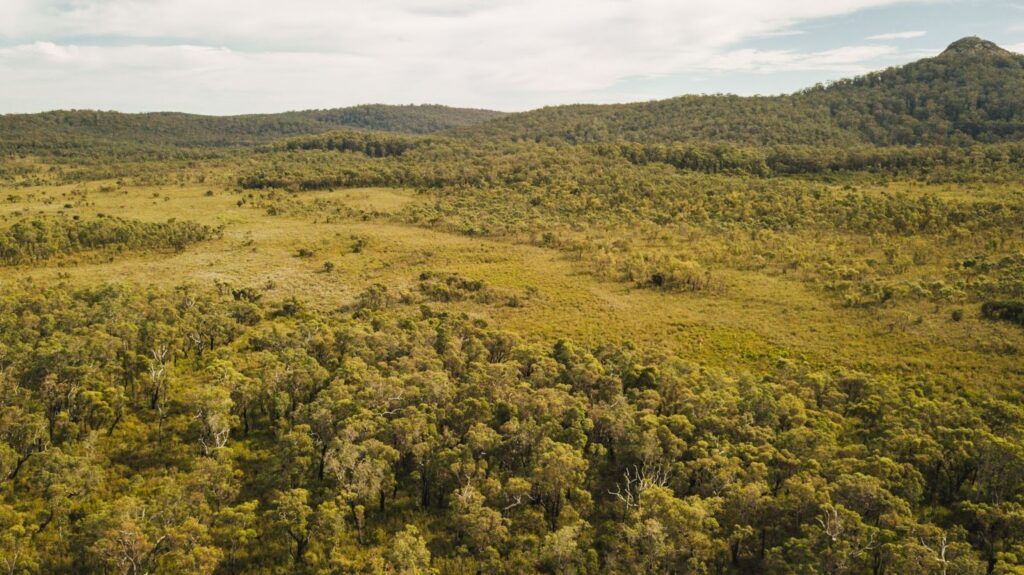
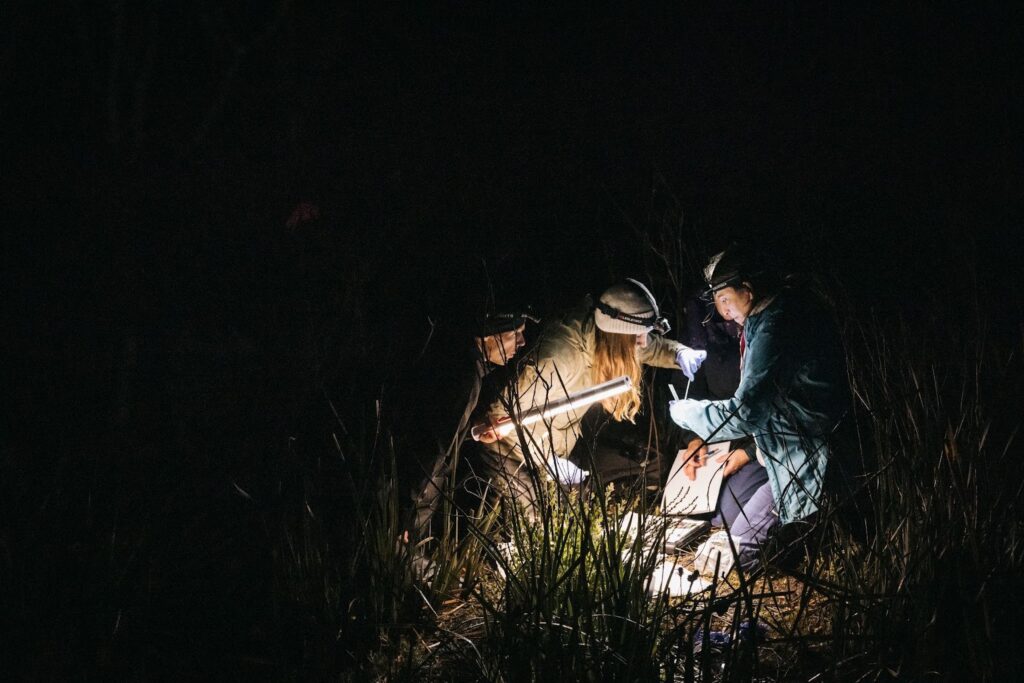
As the wind sweeps across the Walpole Wilderness, researchers sink into the thick black mud of the peatlands.
This unassuming wetland locks away carbon, shelters rare species and has become a gathering place for researchers, land managers, Elders and citizen scientists.
A $3.38 million grant from Lotterywest has super-charged a transdisciplinary effort to conserve this unique environment.
Two years into their 5-year mission, the PEAT (Protecting Peatland Ecosystems and Addressing Threats) team is scaling up and spreading out.
Credit: Ezra Alcantara
PEAT IN PERIL
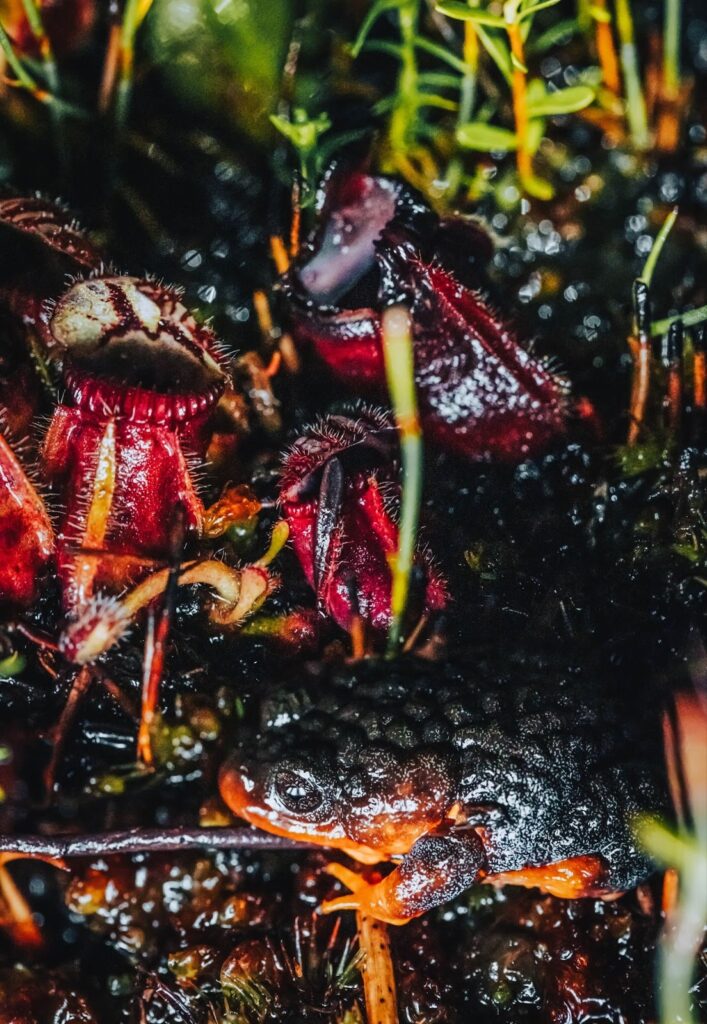
Peatlands are ecosystems with permanently soggy soils. Low oxygen and high moisture makes decomposition difficult, with organic matter slowly decaying into a lasagna of layered soil, trapping carbon in the process.
While only covering 3% of the Earth’s surface, peatlands account for 30% of global carbon storage.
In 2023, the Australian Government listed the Empodisma Peatlands of Southwest WA as endangered.
Preserving them is no small task.
Credit: Holly Winkle
JOINING FORCES
Fortunately, many muddy hands make light work.
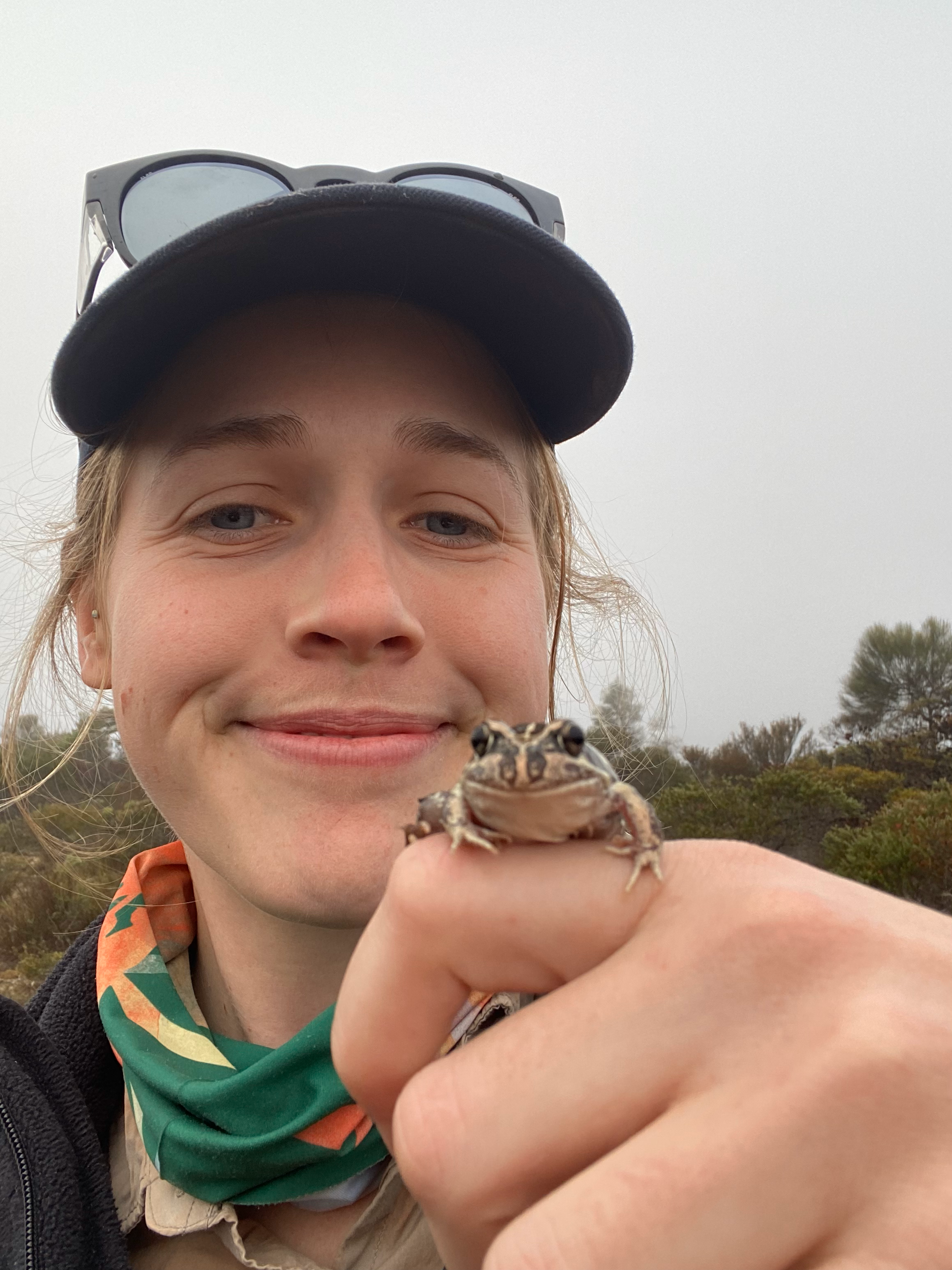
Holly Winkle, PEAT Project Coordinator at UWA, recalls how a chance encounter during the grant application process sparked a formidable collaboration.
“As we were approaching Lotterywest, South Coast NRM and Southwest NRM were preparing an application at the same time,” says Holly.
Instead of going head to head, they joined forces.
With the added funding, this local initiative has expanded across the region into PEAT Southwest.
Credit: Holly Winkle
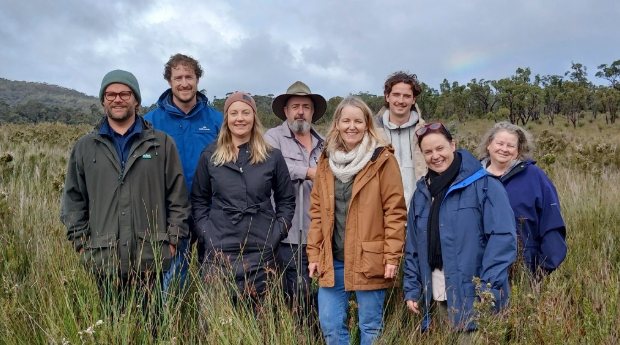
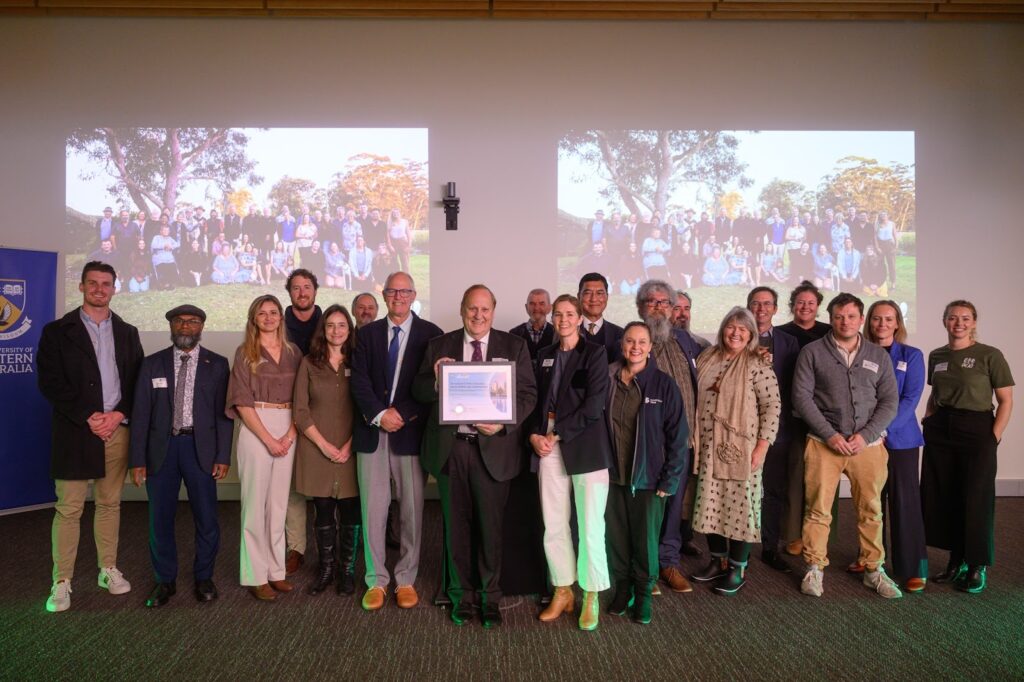
Co-designed and led by UWA, Edith Cowan University and Noongar Elders, it involves collaboration with seven other groups, including museums, consultants, NRM groups, parks associations and government departments.
“With the other teams on board, they’re able to apply some of our initial findings across the broader Southwest region,” says Holly.
This added support will streamline the pathway from information to action.
Credit: Holly Winkle
WORKING WITHOUT BORDERS
In our changing world, transdisciplinary projects reveal the true value of collaboration. These projects welcome new perspectives and ways of knowing and build lasting trust between communities and researchers.
PEAT Southwest is doing just that.
“We’re looking at it from a holistic ecosystem level,” says Holly.
“We have a lot of scientific, cultural and community knowledge, and seeing those synergies across disciplines is quite incredible.”
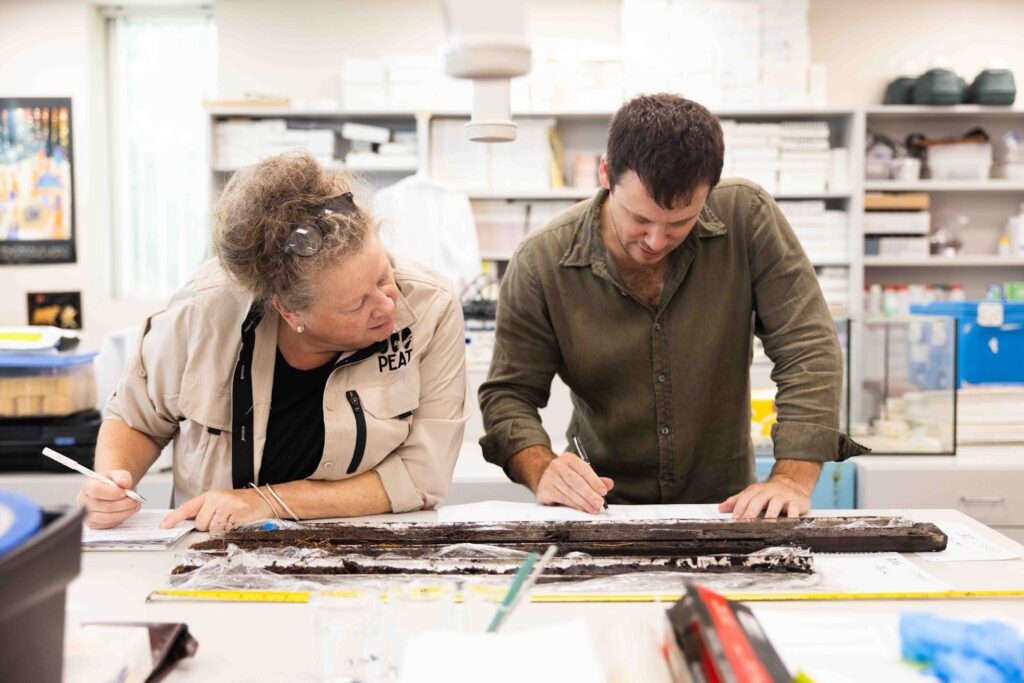
Ursula Rodrigues, PEAT Southwest Traditional Ecological Knowledge Coordinator, emphasises how Western academia often tries to contain knowledge to neatly defined boxes.
“Indigenous knowledge systems are generally much more attuned to holding all the knowledge of a place together at once,” says Ursula. “This provides a deeper and more whole understanding.”
The co-design nature of the project means everyone’s voices are valued with equal importance. From shaping research questions to fieldwork, to discussing findings.
This two-way knowledge sharing enables the project to evolve over time.
Credit: Holly Winkle
TRIAL BY FIRE
Building meaningful relationships takes time, and external factors can test them.
In April 2024, a devastating bushfire raged through the Walpole Wilderness. A trail of smouldering peat was left behind.
“It burnt a number of the research sites,” says Holly.
With drying climates, peat is becoming dangerously flammable. Once ablaze, centuries of trapped carbon is released into the atmosphere in a matter of days.
But times of crises have solidified the importance of collaboration.
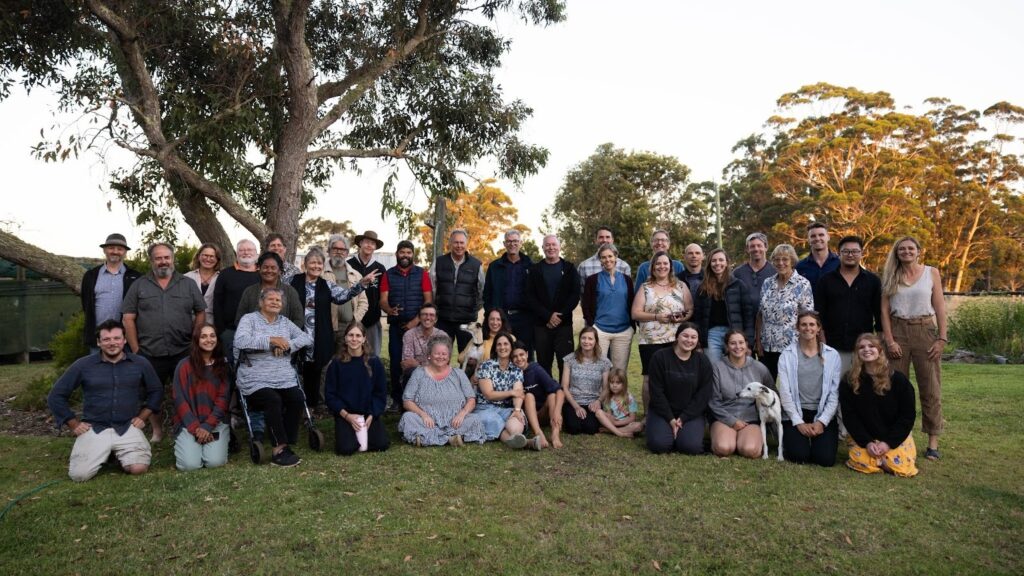
Dr Elizabeth Edmonds is a palaeoecologist from the Walpole Nornalup National Parks Association. She says diverse perspectives piece together the puzzle of peatland fires.
“My research draws on palaeoecology and fire history, but data alone can’t capture cultural significance, lived experience or subtle changes to the land that comes from long connection to Country,” says Elizabeth.
Credit: Holly Winkle
SHIFTING PERSPECTIVES
Every shared story brings a fresh perspective, which brings an innovative solution.
At its core, PEAT Southwest is people powered. Sharing the load has fostered a sense of mutual respect and empowerment.
Dr David Blake, PEAT Southwest Co-Lead at ECU, says his experience has been transformative.
“Moving from an environmental scientist to a researcher who is now actively engaged in transdisciplinary research has been an incredibly rich experience,” says David.
Elizabeth agrees.
“It has shifted my perspective from thinking of conservation as a technical exercise to recognising it as a shared practice that thrives when science, community and tradition work together,” she says.
With more boots on the ground, talk amongst the peat is getting louder.
“Coming on to such a collaborative project broadens your horizons,” says Holly.
“And we’re figuring it out together.”