


You might be interested


Illnesses are a bit like gatecrashers at your body’s house party. They show up uninvited, make a mess, then saunter off, leaving the aftermath behind.
Usually the clean-up is pretty manageable – rest, fluids, a few days in your favourite hoodie.
But sometimes the gatecrasher gets wild. Symptoms linger, the mess is worse and there’s a mysterious gnome in your bathtub.

If that particular gatecrasher was the COVID virus, the lingering aftermath is what doctors call long COVID.
The Gatecrasher’s Mess
For most people, getting COVID sucks – then it ends. The gatecrasher leaves and life goes back to normal.
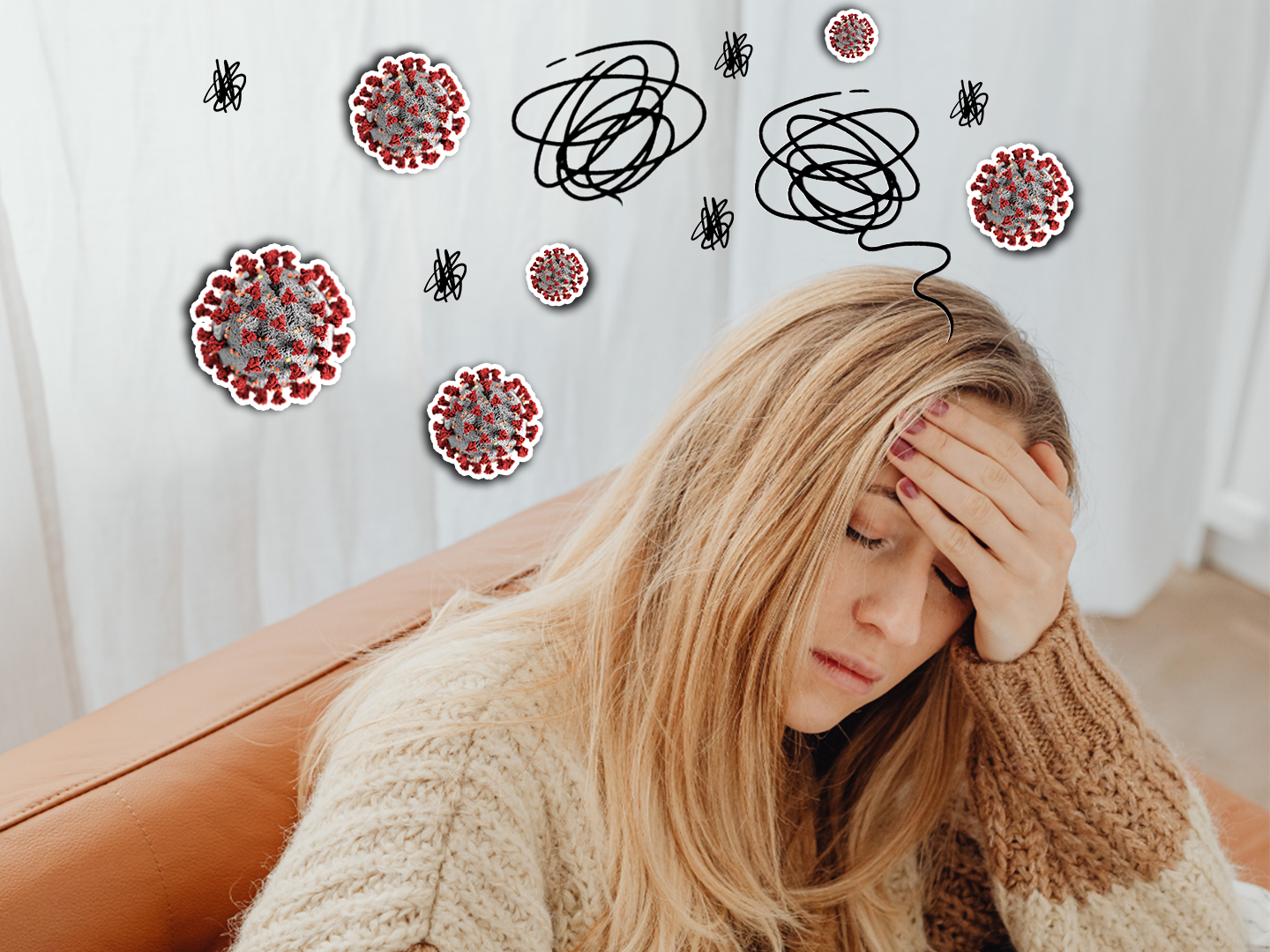
But for an estimated 5–10% of Australians who’ve had COVID, the symptoms linger months after the COVID test turns negative.
For some people, the infection ends but the exhaustion remains – the gnome is still in the bathtub.
Medically speaking, long COVID is a chronic condition triggered by the COVID virus, with symptoms persisting for at least 3 months. Anyone who’s had COVID can develop long COVID and evidence suggests risk increases with repeated infections.
What we don’t know is exactly why.
Scientists have several hypotheses but no definitive answers.
Research points to multiple possible causes – lingering viral fragments, immune disruption, chronic inflammation – but the exact causes and reasons remain unclear.
Sorting the mess
Long COVID can affect almost every organ system. Over 200 symptoms have been identified, which vary widely between patients.
For some, it’s crushing fatigue. For others, it’s brain fog, breathlessness or a confusing mix of seemingly unrelated symptoms.
Instead of a gnome in the bathtub, the mess might look more like flipped furniture and a brain that refuses to find the keys.
Diagnosing long COVID is hard. There’s no single test and many patients test negative for COVID before long COVID symptoms appear.
Instead, doctors rely on clinical assessment, examining ongoing symptoms and infection history to determine whether long COVID could be responsible.
Cleaning Up
With no single definition, cause or diagnostic test, it’s no surprise there’s also no single treatment for long COVID.
Treatment focuses on managing patients’ individual symptoms and supporting recovery.
Now 6 years into the pandemic, scientists are still learning how to clean up the mess COVID can leave behind and why some people have their entire lives turned upside down by what looked like ‘just a cold’ – and a mysterious gnome in the bathtub.