


You might be interested


Shedding weight without having to jump on the treadmill? That’s the dream.
Especially if you’re hoping to be a 2026 Ozempic Santa (minus the tech billionaire part).
But what happens when the dream wears off?
Meet GLP-1
Weight-loss drugs contain an active compound called glucagon-like peptide 1 (GLP-1) receptor agonist (RA).
Originally developed to treat type 2 diabetes, researchers discovered a convenient side effect: weight loss.
Ozempic, Wegovy (semaglutide) and Saxenda (liraglutide) are just a few GLP-1 RAs currently marketed in Australia.
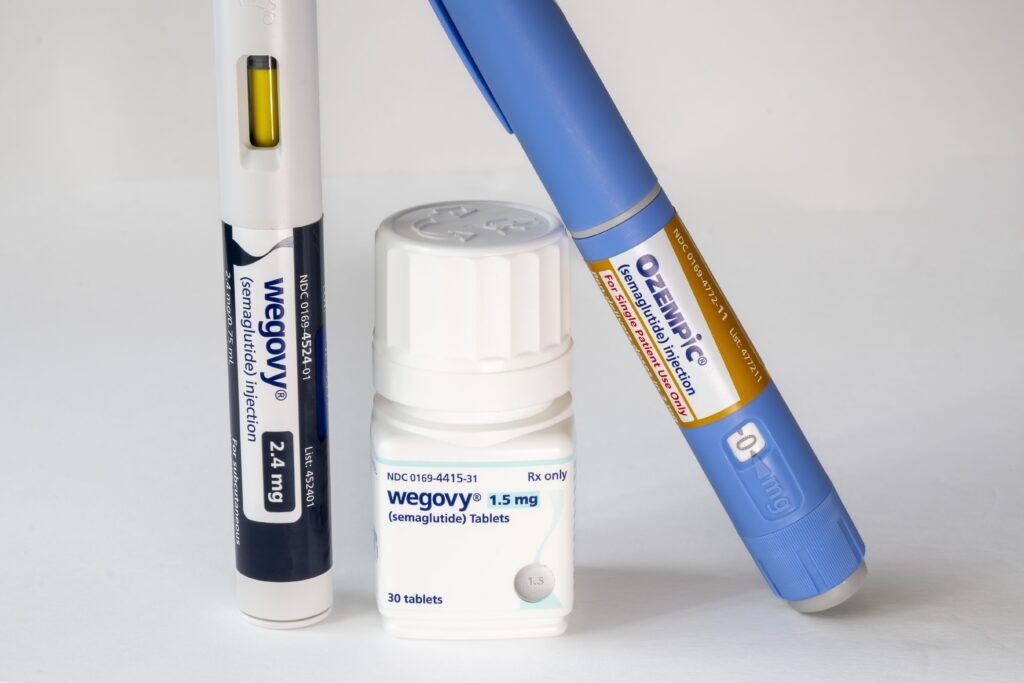
Credit: Michael Siluk/Getty Images
Borrowed Biology
GLP-1 is a hormone that helps stimulate insulin production after eating, lowering and stabilising blood sugar levels to minimise hunger signals.
Weight-loss drugs mimic this hormone, taking its natural form and making it more stable.
GLP-1 RAs act on the central nervous system, affecting the appetite centres in the brain.
They suppress appetite by increasing the effectiveness of leptin – our satiety hormone.
The hormone peptide YY is also enhanced, slowing the emptying of the stomach and prolonging the sensation of fullness.
A Visceral Shift
Weight-loss drugs don’t just affect our appetite.
People with obesity often have chronic inflammation of their fat tissue, which can lead to insulin resistance and metabolic dysfunction.
Visceral fat – the fat around our internal organs – is one of the main contributors to type 2 diabetes and cardiovascular disease.
GLP-1 RAs actually help on both fronts.
They can work to reduce inflammation in this fat tissue and help redistribute visceral fat away from our internal organs and closer to the skin.
The question is, how long do these benefits last?
It may not be the answer we were all hoping for.
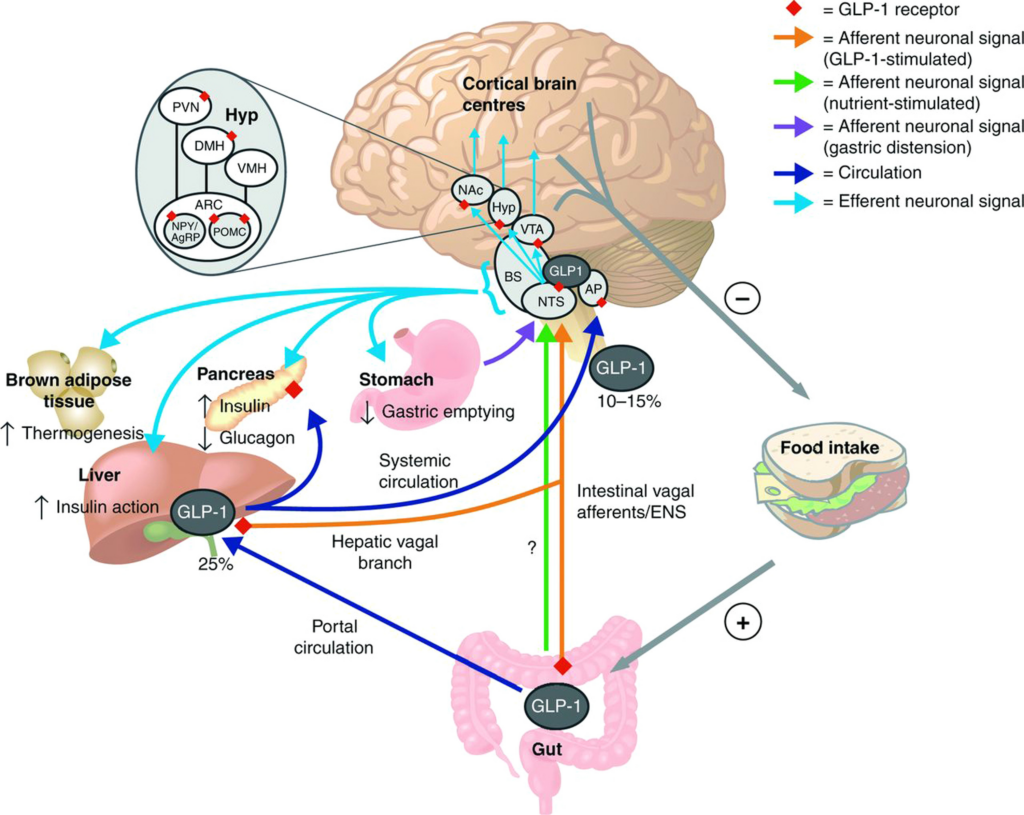
Credit: Moiz et al., 2025 (CC BY-NC 4.0)
False Starts
A 2026 review and meta-analysis found that over 9,000 participants from 37 studies regained an average of 0.4 kg per month after stopping weight-loss medication.
Additionally, the positive effects the drugs had on heart and metabolic health were reversed.
This review predicted that, within less than 2 years, both weight and risk markers for type 2 diabetes and heart disease would return to pre-treatment levels.
People regained weight almost four times faster than after diet and exercise changes.
So before you buy the dream, maybe read the fine print.