

READ

Particle 101: Bali Belly and Red Cordial

Some travellers swear raspberry cordial prevents gastro. The science isn’t so certain.
Caitlin McLeod
Caitlin McLeod
Writer
Particle 101: Bali Belly and Red Cordial

Of all infectious diseases Western Australians bring home from travel, 41% are picked up in Indonesia. 

The most common is gastro, also known as Bali belly. But this doesn’t stop us. 

Indonesia is the top holiday destination for Australians. Roughly 1.5 million Aussies visit each year, and half of those are from WA.

If you have visited Indo, you have probably been given tips on avoiding Bali belly.

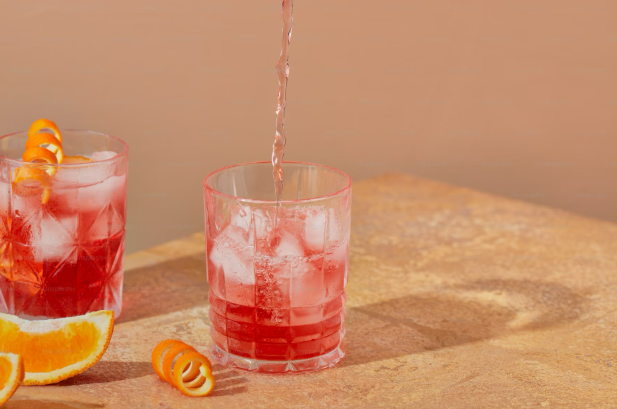
Some Bali veterans share their advice online, and many claim red cordial is all you need. 

DOES SCIENCE AGREE?

In 2001, microbiologist Dr Heather Cavanagh heard anecdotes of farmers putting raspberry cordial into livestock water troughs if there was diarrhoea in the herd.

To investigate the idea, she tested a range of commercial cordials, fresh berry juices and raspberry leaf extract on bacteria, viruses and fungi that can cause gastro.

Cavanagh found raspberry cordial was special. It significantly reduced the growth of E. coli and several Salmonella species, but only if the cordials contained at least 35% raspberry juice.

However, it had no effect on viruses that can also cause Bali belly.
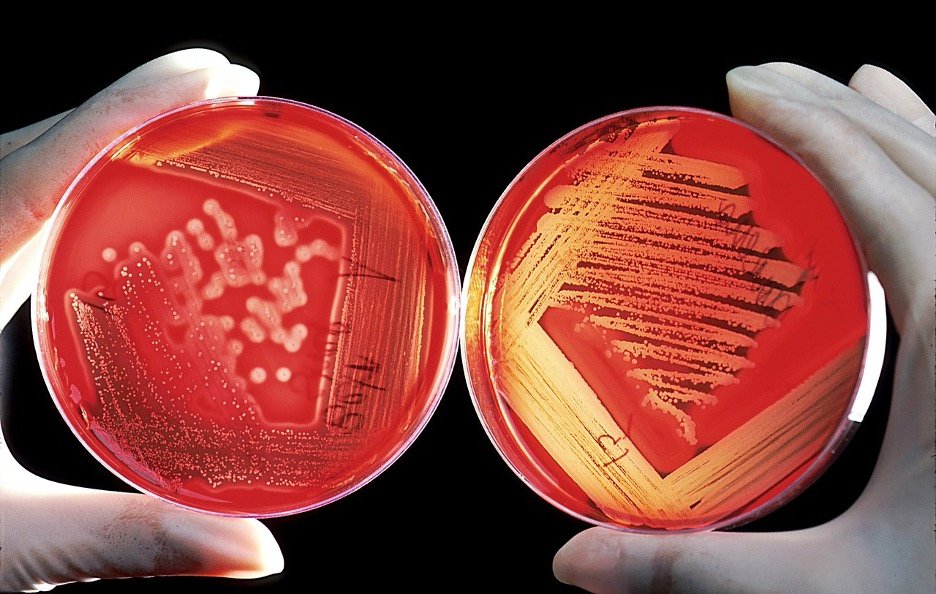
Caption: Cavanagh tested varying concentrations of cordial, juice and leaf extract on the growth of bacteria, viruses and fungi.
Credit: Bill Branson/Wikimedia commons

WHAT ABOUT US?

Cavanagh says that, while raspberry cordial could have some anti-gastro effects, human trials are needed before we can say for sure.

For many Bali travellers, their own experience provides all the evidence they need. Many have even created their own dosing schedules, which they share on sites like Bali Best Things

Some swear by taking a shot each morning leading up to the trip, others prefer to mix a little into drinks while travelling.

For a treatment so affordable and promising, where are the human trials?

MONEY TALKS

The drug companies that develop our medicines can’t patent a substance that’s already available on supermarket shelves – like cordial. This means they can’t make a profit from researching medicinal properties of these substances. 

If we’re ever to see a study on raspberry cordial in humans, it’ll be conducted by whoever is set to make the profit.

It’s time to ask Cottee’s to dust off their lab coats and settle this debate once and for all.
Caitlin McLeod
About the author
Caitlin McLeod
Caitlin is a science communicator and freelance science writer. She has a masters in science communication and a background in ecology and genetics. When not working, she dabbles in bikes, books and backpacking.
View articles
Caitlin is a science communicator and freelance science writer. She has a masters in science communication and a background in ecology and genetics. When not working, she dabbles in bikes, books and backpacking.
View articles

NEXT ARTICLE

We've got chemistry, let's take it to the next level!

Get the latest WA science news delivered to your inbox, every fortnight.

This field is for validation purposes and should be left unchanged.

Republish

Creative Commons Logo

Republishing our content

We want our stories to be shared and seen by as many people as possible.

Therefore, unless it says otherwise, copyright on the stories on Particle belongs to Scitech and they are published under a Creative Commons Attribution-NoDerivatives 4.0 International License.

This allows you to republish our articles online or in print for free. You just need to credit us and link to us, and you can’t edit our material or sell it separately.

Using the ‘republish’ button on our website is the easiest way to meet our guidelines.

Guidelines

You cannot edit the article.

When republishing, you have to credit our authors, ideally in the byline. You have to credit Particle with a link back to the original publication on Particle.

If you’re republishing online, you must use our pageview counter, link to us and include links from our story. Our page view counter is a small pixel-ping (invisible to the eye) that allows us to know when our content is republished. It’s a condition of our guidelines that you include our counter. If you use the ‘republish’ then you’ll capture our page counter.

If you’re republishing in print, please email us to let us so we know about it (we get very proud to see our work republished) and you must include the Particle logo next to the credits. Download logo here.

If you wish to republish all our stories, please contact us directly to discuss this opportunity.

Images

Most of the images used on Particle are copyright of the photographer who made them.

It is your responsibility to confirm that you’re licensed to republish images in our articles.

Video

All Particle videos can be accessed through YouTube under the Standard YouTube Licence.

The Standard YouTube licence

  1. This licence is ‘All Rights Reserved’, granting provisions for YouTube to display the content, and YouTube’s visitors to stream the content. This means that the content may be streamed from YouTube but specifically forbids downloading, adaptation, and redistribution, except where otherwise licensed. When uploading your content to YouTube it will automatically use the Standard YouTube licence. You can check this by clicking on Advanced Settings and looking at the dropdown box ‘License and rights ownership’.
  2. When a user is uploading a video he has license options that he can choose from. The first option is “standard YouTube License” which means that you grant the broadcasting rights to YouTube. This essentially means that your video can only be accessed from YouTube for watching purpose and cannot be reproduced or distributed in any other form without your consent.

Contact

For more information about using our content, email us: particle@scitech.org.au

Copy this HTML into your CMS
Press Ctrl+C to copy