

You might be interested


As you read this, AI is being used to detect and diagnose disease, enhance treatment efficiency and develop new drugs.
By recognising patterns in test results, AI can identify patients at risk of cancer, diabetes complications, heart disease and mental health issues.
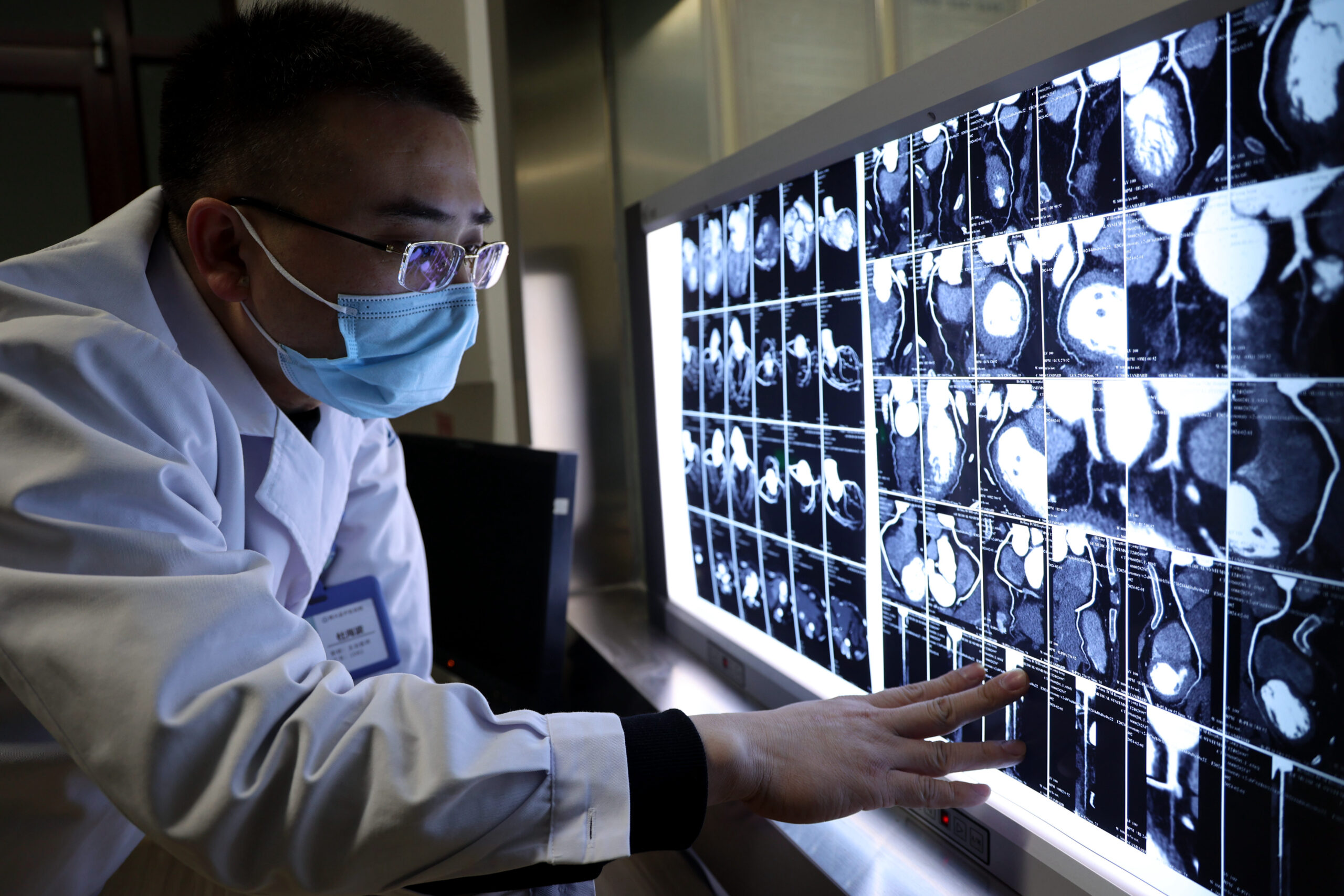
Trained AI systems can match or outperform radiologists at detecting cancers and analysing chest X-rays, mammograms and CT brain scans.
These systems provide an extra set of eyes, flagging suspicious spots for review.
AI in Action
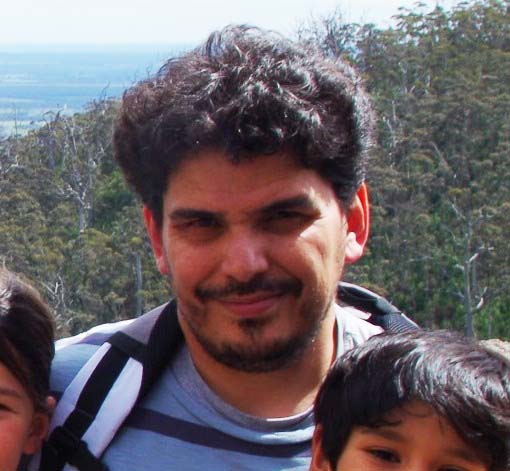
Professor Anant Madabhushi is Director of the Emory Empathetic AI for Health Institute at Emory University in the USA.
“One of the most exciting applications is using AI to analyse medical images – like MRI scans, CT scans or pathology slides – to find patterns that doctors may not easily see,” says Anant.

Credit: via Emory University
“For instance, AI can help detect cancer earlier or predict which patients are more likely to benefit from certain treatments.
“These tools don’t replace doctors but act like an extra set of eyes, making medicine more precise and personalised.”
Beyond Diagnosis
AI can do more than detect disease – it’s improving doctors’ treatment decisions.
Charles Darwin University researchers have created an AI model that examines lung ultrasound videos. It can diagnose pneumonia, COVID-19 and other respiratory diseases with 97% accuracy.
“Imagine if, based on a patient’s scans and lab results, AI could suggest which therapy is most likely to work for that specific person,” says Anant.
“That’s better for patients and helps doctors make decisions faster and more confidently.
“It also has the potential to free doctors from routine tasks, giving them more time to focus on patient care.”
Work smarter, not harder
AI tools can also save patients time and money.
IDx-DR can scan eye images to detect diabetic retinopathy – one of the leading causes of blindness in people with diabetes.
These instant results can be provided in a GP clinic instead of requiring a specialist appointment.
Heartflow’s FFRCT can diagnose heart disease. These systems can turn ordinary CT scans into 3D models of blood flow, allowing doctors to spot dangerous blockages without invasive procedures.
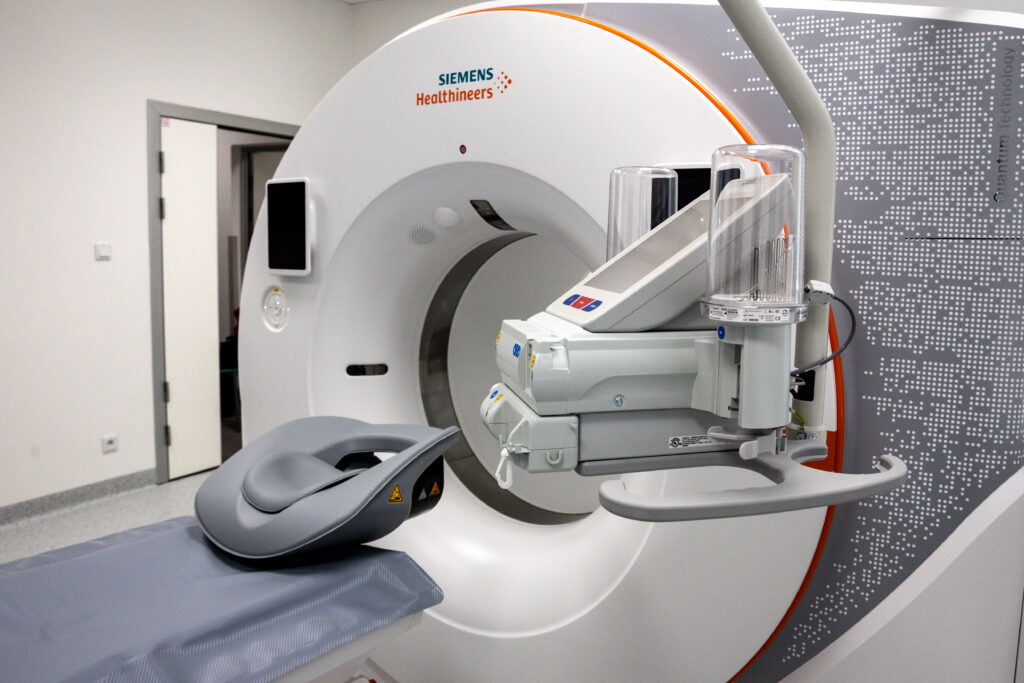
Credit: Dominika Zarzycka/NurPhoto/Getty Images
AI can even help researchers design new drugs. Developing medications typically takes over a decade and costs billions of dollars. But using AI platforms to quickly analyse massive datasets and pinpoint promising molecules can cut timelines from years to just 30 days, according to pharmaceutical giant Pfizer.
AI can predict how molecules will behave in someone’s body and design smarter clinical trials by selecting patients who are more likely to respond well to the drugs being tested.
These automated systems can also forecast side effects and adjust the trial midway if early data suggests changes are needed.
Tools like TrialMatchAI can rapidly match patients to trials with greater accuracy. Other AI systems are modelling how new molecules move through the body to predict safety issues before patients are enrolled. Pharmaceutical companies have already begun using these tools.
WA INNOVATION
In January, the WA Government announced nearly $5 million in funding for digital health projects, many of which harness AI.
Grant recipient Professor Girish Dwivedi has created a personalised health platform called Orva. Orva can explain complex medical information in plain language and aims to engage patients in their treatment.
Another recipient, Associate Professor Matthew Anstey, is developing a potentially life-saving AI system that predicts sepsis in emergency departments.
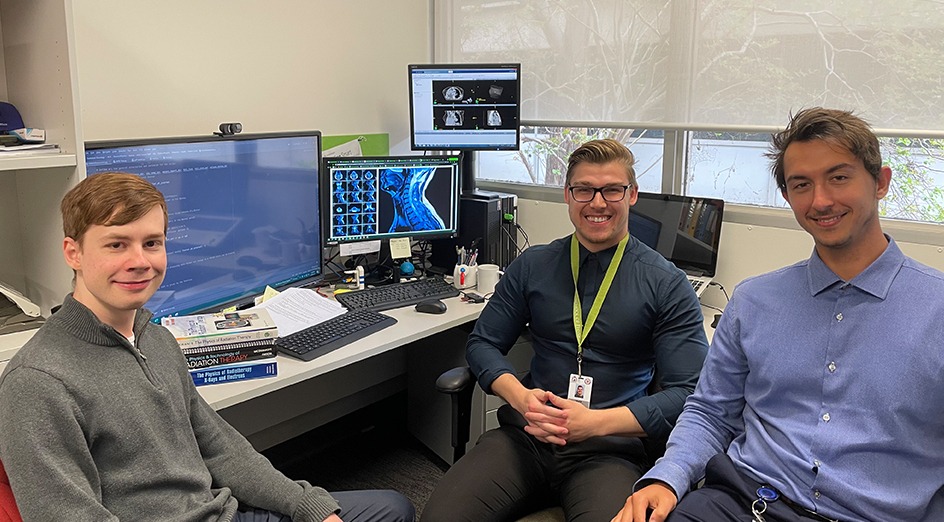
UWA lecturer Dr Jake Kendrick is advancing AI tools for prostate cancer imaging.
Credit: Supplied Jake Kendrick
“My research focuses on using artificial intelligence to automatically outline and measure cancer on PSMA PET scans – a type of medical imaging used for prostate cancer,” says Jake.
“By training AI to do this quickly and consistently, we hope to give clinicians better tools to guide treatment decisions.
“Ultimately, this could help prostate cancer patients receive more personalised care, allowing better prediction of treatment effectiveness.”
Whilst trained medical professionals still make the decisions, AI can help them make smarter, more patient-focused decisions to improve the health and wellbeing of West Aussies.
Why all of This Matters
From saving valuable time in disease diagnosis to shaving years off drug development, AI is quietly transforming healthcare.
It doesn’t replace doctors or scientists. It works alongside them, handling data-heavy tasks so they can focus on patient care.
While it’s still early days, it’s clear that a global healthcare revolution has begun.