

You might be interested
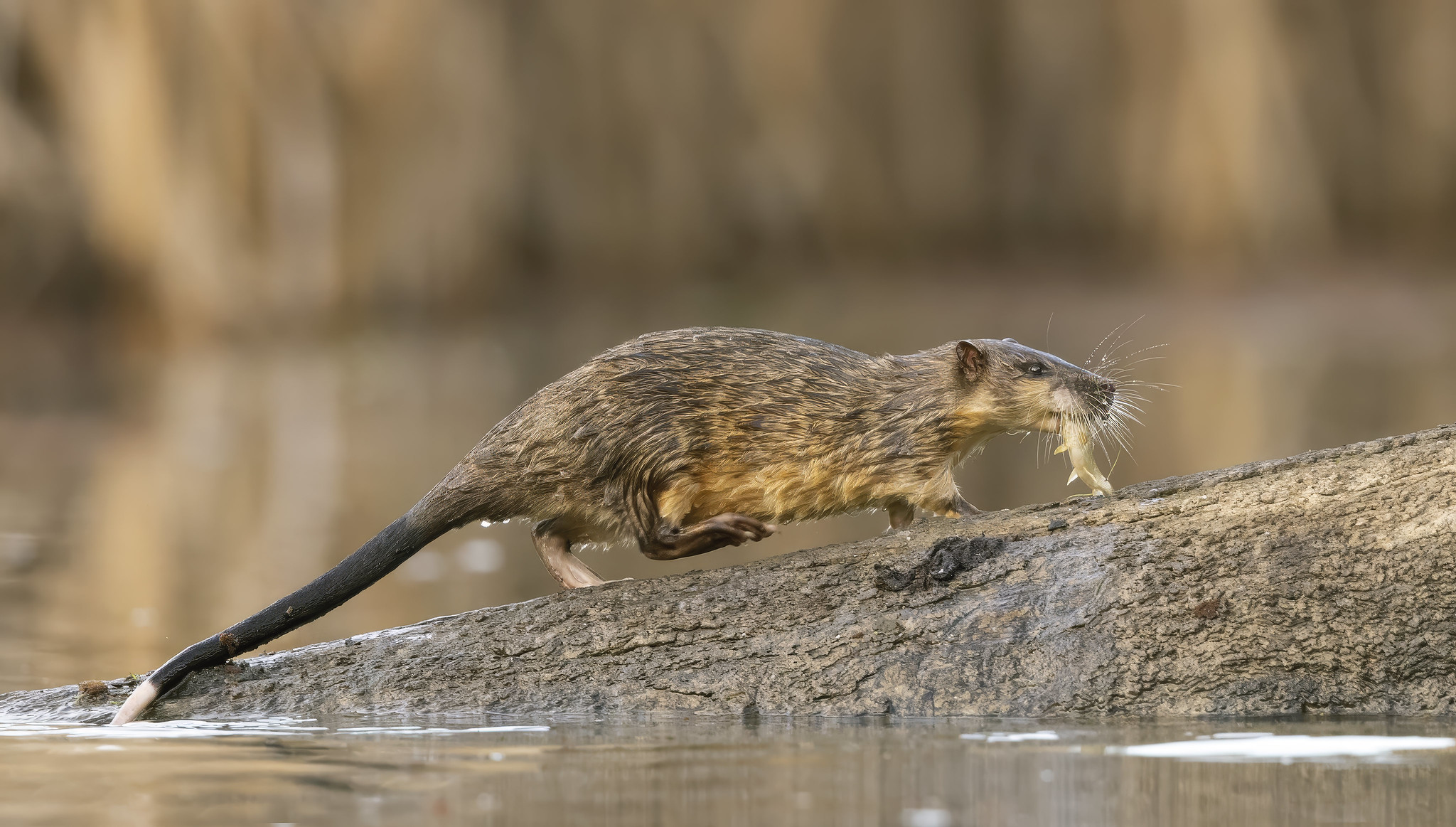
It’s been a good few months in the press for the rakali (known as moytj in Noongar) – Australia’s native water rat.
These long-whiskered rodents finally received the recognition they deserve, with the ABC’s National Science Week poll crowning the rakali the nation’s most underrated animal.
With all things celebrity, there’s a dark underbelly.
The rakali may have won the public vote – it’s under threat in the Swan River and Avon River regions of Western Australia.
The Department of Biodiversity, Conservation and Attractions (DBCA) has classified them a Priority 4 species, meaning they are considered rare, near threatened and require regular monitoring.
Habitat loss, fishing nets, domesticated animals and a lack of suitable food are all contributing to diminishing rakali populations.
It’s critical to our native ecologies to better understand and protect rakali – and appreciate that not all rats are the same.
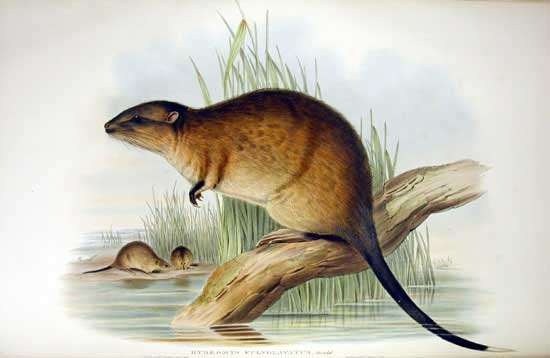
Credit: John Gould/Wikimedia Commons
FRIENDS, NOT FOES
Rakali are a native rodent found throughout Australia. Though they are not doing great in the Perth and Wheatbelt areas, they are common elsewhere.
They are the only amphibious and semi-aquatic animal in our region, living similar lifestyles to otters or platypus – they even have webbed feet to help them swim!
It’s important not to confuse rakali for introduced rat species.
Introduced rats are disease-carrying pests that wreak havoc on ecologies, while rakali are essential to them and can be a sign of great waterway health.
John Crook is the Chairperson of the River Conservation Society (RCS), which heads up the Rakali Project along the Avon River.
He describes rakali as much bigger than a rat with a distinctive white tip on their tail.
“They are 30-40cm long, have rounded ears, and they’ve got lots of big whiskers because they’ve got very poor eyesight,” says John.
Rakali are top predators, a key piece of the native ecology puzzle, whereas introduced rats pull the puzzle apart.
RAT’S ALL, FOLKS?
Rakali are burrowing animals, found along or near waterways – rivers, estuaries, lakes and wetlands.
Unlike black rats, which are found everywhere, rakali were so rarely seen they were thought to have died out.
“We thought they were extinct in the Avon River until 2015,” says John.
After they were spotted on a wildlife camera, John and the RCS began researching and protecting rakali.
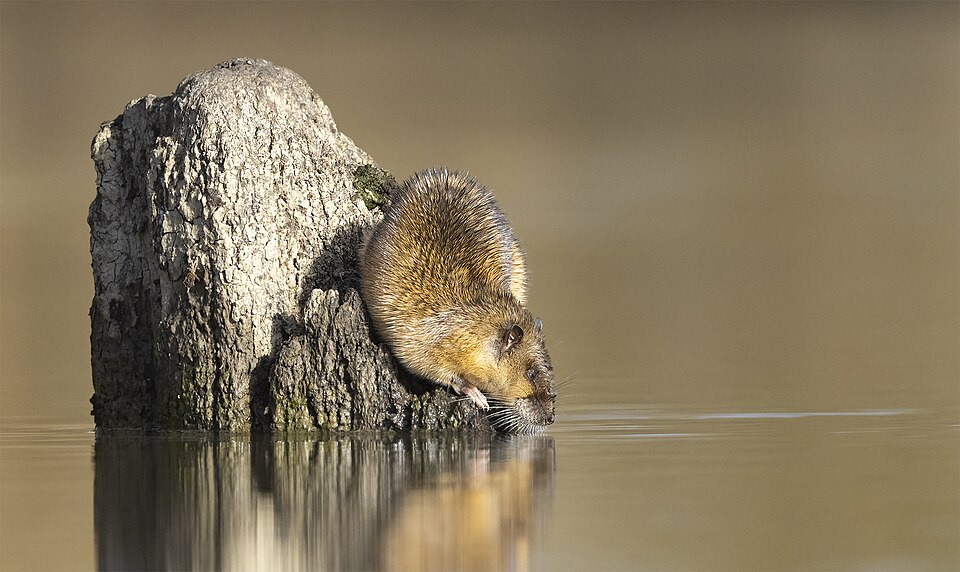
Credit: patrickkavanagh/Flickr
“In 2021, we got a grant from the state NRM to look at rakali,” says John.
“Over 3years, by going out on the river and looking and setting up quite a few cameras, leaving them out for a couple of months at a time, we started to see where we could find the rakali.”
This data is shared with the DBCA and helps the RCS protect rakali and their habitats.
The RCS has identified only two rakali populations living in the Avon River and estimates their total population as 25–30 animals. While rakali numbers are declining, introduced rats in the region are unfortunately increasing.
SAVE OUR LOCAL RAKALI
“Back in the 1930s and 1940s, they were almost hunted into extinction for their coats because there was a ban placed on the importation of overseas furs, including mink, into Australia,” says John.
These days, unlike other rats, rakali are a protected species. However, they are deeply threatened by a diminishing environment.
How can you help? John urges people to connect with their local environmental and conservation groups. You could attend a planting and river cleaning event as an easy way to get involved in protecting and understanding rakali.
Instead of running the opposite way from a pest rat, John says rakali are worth enjoying.
“If you sit down at the park and you see a rakali coming out, just sit quietly and observe it,” says John. “Watch it. The more we know about things, the more we protect them.”