

READ

The Radical World of Red-Winged Fairy Wrens

These tiny birds do their own thing.
Keelan Powell
Keelan Powell
Science Communicator
The Radical World of Red-Winged Fairy Wrens

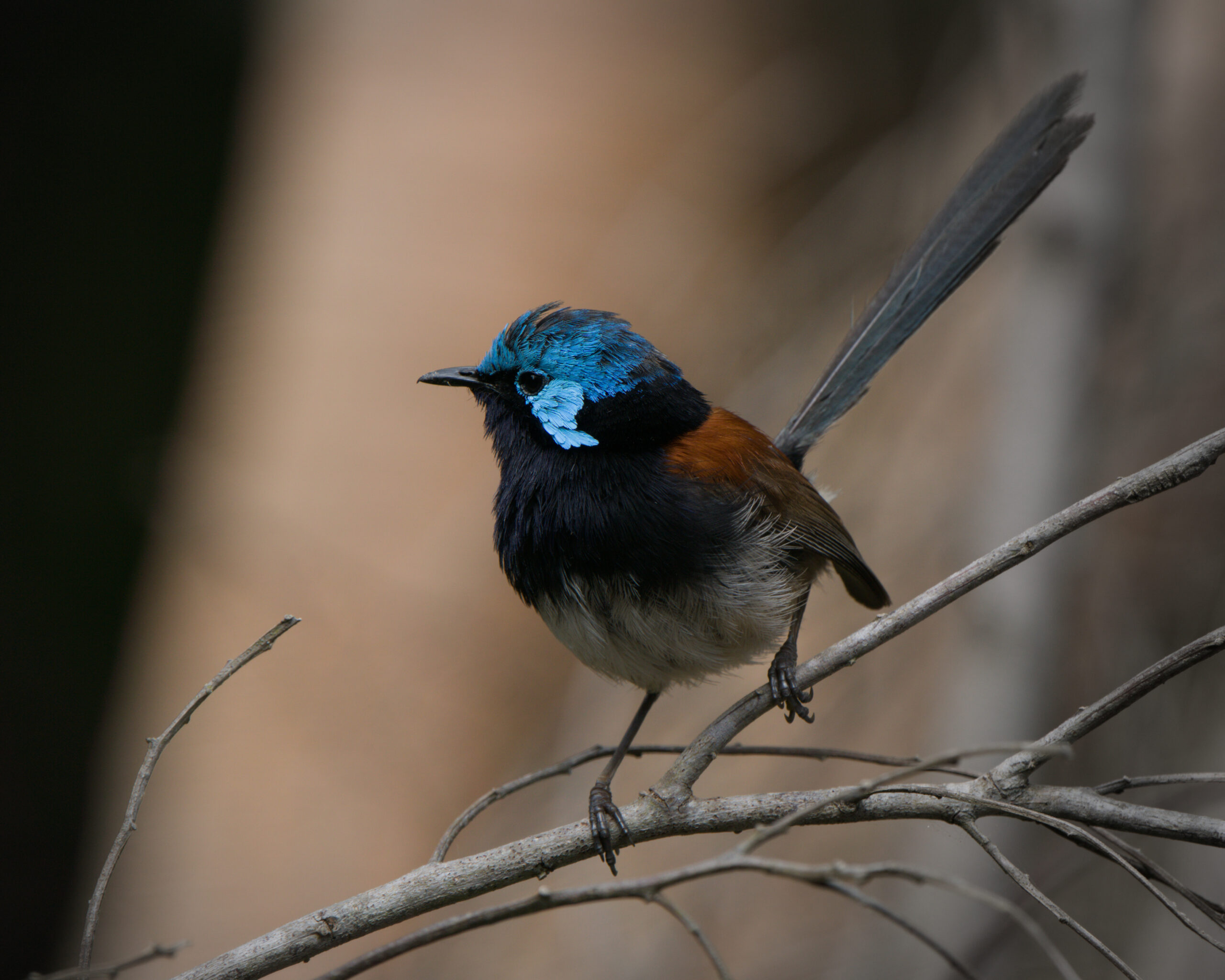
Fairy wrens are everywhere. Go anywhere in Australia and there will be at least one local fairy wren.

They’re not endangered. In fact, it would be hard to imagine an animal less endangered than fairy wrens. 

So what do we gain from researching them? Quite a lot actually.

Beyond Bird Watching

Dr Lyanne Brouwer has led a team researching red-winged fairy wrens near Manjimup since 2008.

“It’s not an endangered species, but still it can lead us to very useful insights in how birds, for example, adapt to changing climates,” says Lyanne.

On the surface, fairy wren research sounds like a fun bit of bird watching, but Lyanne says it involves a lot of skills. 
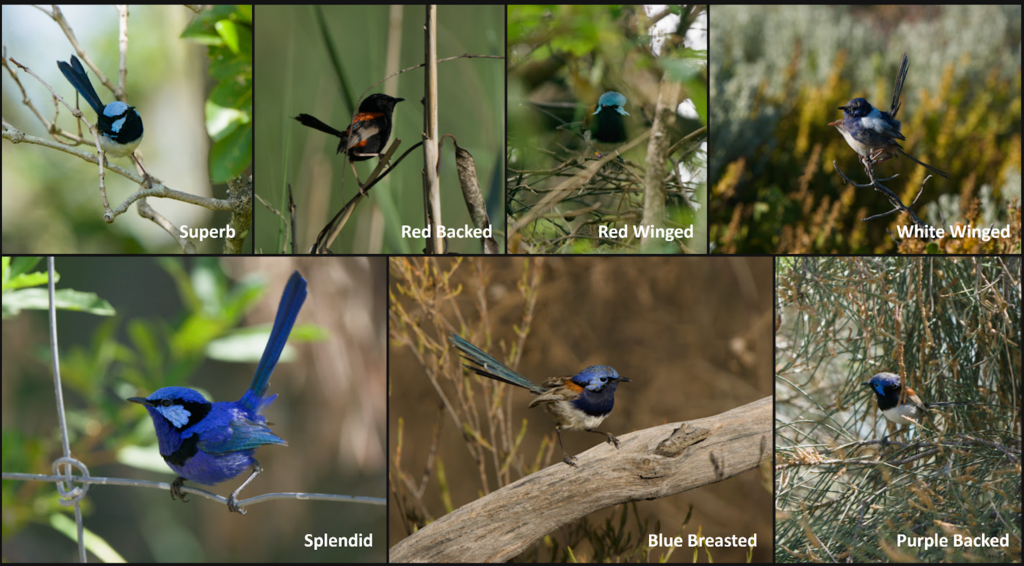
Caption: Seven of the 10 fairy wren species around Australia.
Credit: Asch Nighthawk, 2026

“It’s really, really hard to monitor these birds. You need to be able to use binoculars and really quickly identify individual birds. 

“It’s quite hard to actually find them and watch them for a little while to work out what they’re doing.”

Identifying individual birds would be nearly impossible without some help. To make it easier, the team puts unique coloured bands around the legs of all the red-winged fairy wrens in the area. 

For adult birds, that means setting up nets that are constantly monitored. The moment a fairy wren gets caught, a researcher is there to process it. 

For baby birds, the team tries to locate the nests and band the birds while they’re still fledglings.

“They’re not really aware of what’s going on, so it’s much less stress for these birds,” says Lyanne.
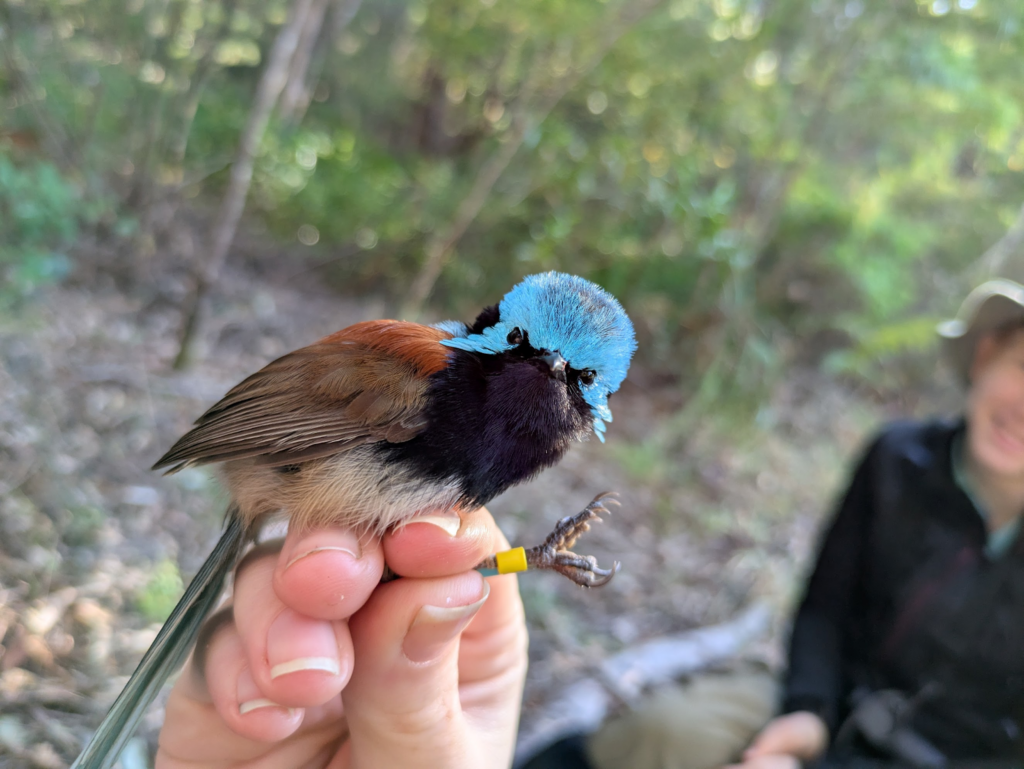
Caption: An adult red-winged fairy wren and his coloured bands.
Credit: Asch Nighthawk, 2026

Baffling Behaviours

While the fledglings might not know what’s going on, the adults certainly do. What they do with this awareness is fascinating. 

There are 10 species in Australia, and in all these species, the male offspring delay their dispersal and stay with their parents,” says Lyanne. 

“The females usually disperse. So once they reach independence at about 3 months old, they start moving around.”

Among Manjimup’s red-winged fairy wrens, the male offspring stay with their parents to help raise their younger siblings – just as expected. 

However, in this particular population, so do the females.

Sex-biased dispersal is conventionally understood to help a species avoid inbreeding. Curiously, the fairy wrens appear to have developed different means to achieve that end. 

“One of the behaviours they show is extra pair mating,” says Lyanne. About 70% of female fairy wrens in the population will mate with a second bird outside their pair.

“It’s promiscuous mating. The females typically mate with another male. They go to another territory, they mate with the male there and they lay their eggs in their own territory. 

“This is a mechanism, probably, that helps with inbreeding avoidance.” 
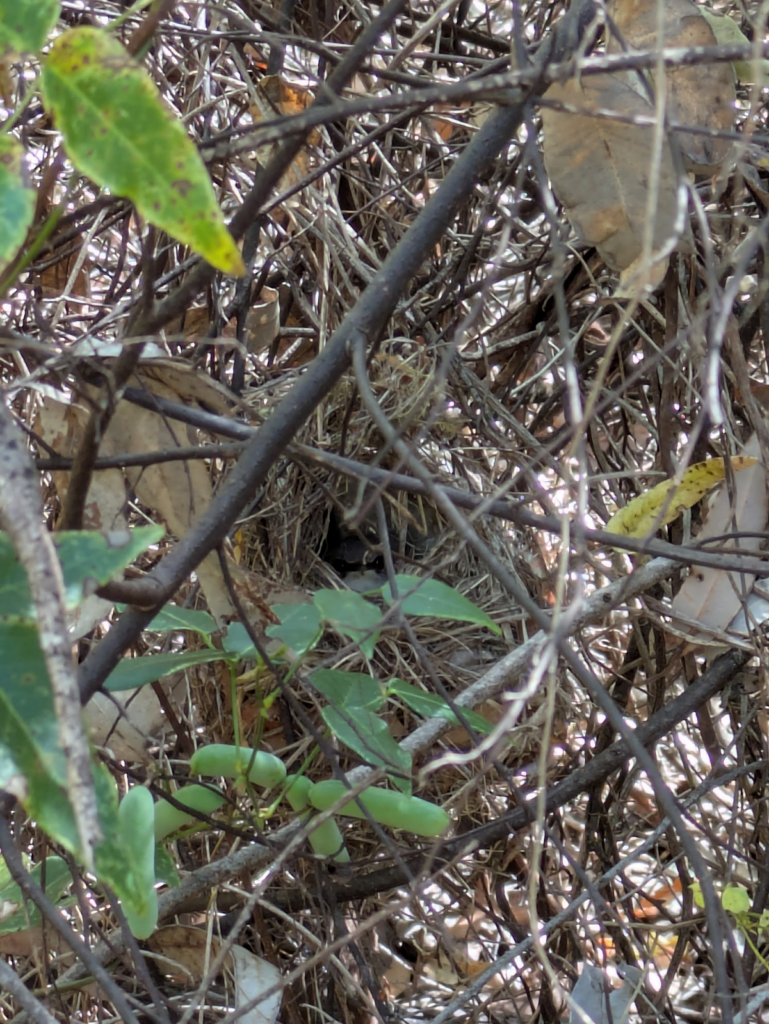
Caption: Mama red-winged fairy wren staring menacingly out of her nest.
Credit: Asch Nighthawk, 2026

The Climate Conundrum

It’s possible that the red-winged fairy wrens’ behaviour could be a climate adaptation. 

Lyanne says adverse weather can make everything a lot harder for these birds. 

“If they have these extra helpers, that can reduce the pressure to take care of this brood.” 

Just how much climate change is affecting animal behaviour is still an open question in Manjimup and around the world. 

“These sort of questions need long-term data,” says Lyanne. 

With data since 2008, Lyanne and her team contributed to a recent paper that analysed 213 species around the world to better understand how changing climates are changing the world around us.
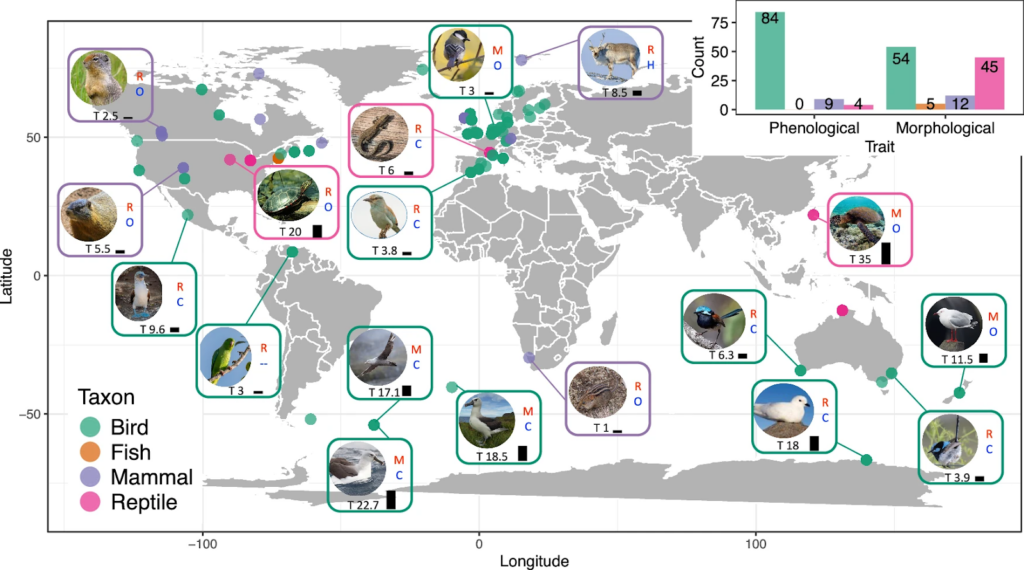
Caption: A map of some of the 213 animals studied, including the red-winged fairy wren.
Credit: Radchuk, Jones, McLean et al., 2026. (CC BY 4.0)

Of course, this isn’t the end of the story. As is the way with science, for every answer, there are always a thousand more questions.

Keelan Powell
About the author
Keelan Powell
Keelan is a science communicator and an author of science fiction and fantasy. He has a background in physics, creative writing, literary theory, and science communication. Keelan enjoys bringing science to art and art to science and thrives in the beautiful chaos that always ensues when the two fields mix.
View articles
Keelan is a science communicator and an author of science fiction and fantasy. He has a background in physics, creative writing, literary theory, and science communication. Keelan enjoys bringing science to art and art to science and thrives in the beautiful chaos that always ensues when the two fields mix.
View articles

NEXT ARTICLE

We've got chemistry, let's take it to the next level!

Get the latest WA science news delivered to your inbox, every fortnight.

This field is for validation purposes and should be left unchanged.

Republish

Creative Commons Logo

Republishing our content

We want our stories to be shared and seen by as many people as possible.

Therefore, unless it says otherwise, copyright on the stories on Particle belongs to Scitech and they are published under a Creative Commons Attribution-NoDerivatives 4.0 International License.

This allows you to republish our articles online or in print for free. You just need to credit us and link to us, and you can’t edit our material or sell it separately.

Using the ‘republish’ button on our website is the easiest way to meet our guidelines.

Guidelines

You cannot edit the article.

When republishing, you have to credit our authors, ideally in the byline. You have to credit Particle with a link back to the original publication on Particle.

If you’re republishing online, you must use our pageview counter, link to us and include links from our story. Our page view counter is a small pixel-ping (invisible to the eye) that allows us to know when our content is republished. It’s a condition of our guidelines that you include our counter. If you use the ‘republish’ then you’ll capture our page counter.

If you’re republishing in print, please email us to let us so we know about it (we get very proud to see our work republished) and you must include the Particle logo next to the credits. Download logo here.

If you wish to republish all our stories, please contact us directly to discuss this opportunity.

Images

Most of the images used on Particle are copyright of the photographer who made them.

It is your responsibility to confirm that you’re licensed to republish images in our articles.

Video

All Particle videos can be accessed through YouTube under the Standard YouTube Licence.

The Standard YouTube licence

  1. This licence is ‘All Rights Reserved’, granting provisions for YouTube to display the content, and YouTube’s visitors to stream the content. This means that the content may be streamed from YouTube but specifically forbids downloading, adaptation, and redistribution, except where otherwise licensed. When uploading your content to YouTube it will automatically use the Standard YouTube licence. You can check this by clicking on Advanced Settings and looking at the dropdown box ‘License and rights ownership’.
  2. When a user is uploading a video he has license options that he can choose from. The first option is “standard YouTube License” which means that you grant the broadcasting rights to YouTube. This essentially means that your video can only be accessed from YouTube for watching purpose and cannot be reproduced or distributed in any other form without your consent.

Contact

For more information about using our content, email us: particle@scitech.org.au

Copy this HTML into your CMS
Press Ctrl+C to copy