
You might be interested


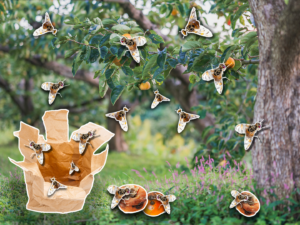
The ghost bat (Macroderma gigas) is Australia’s largest microbat but often flies under the radar.
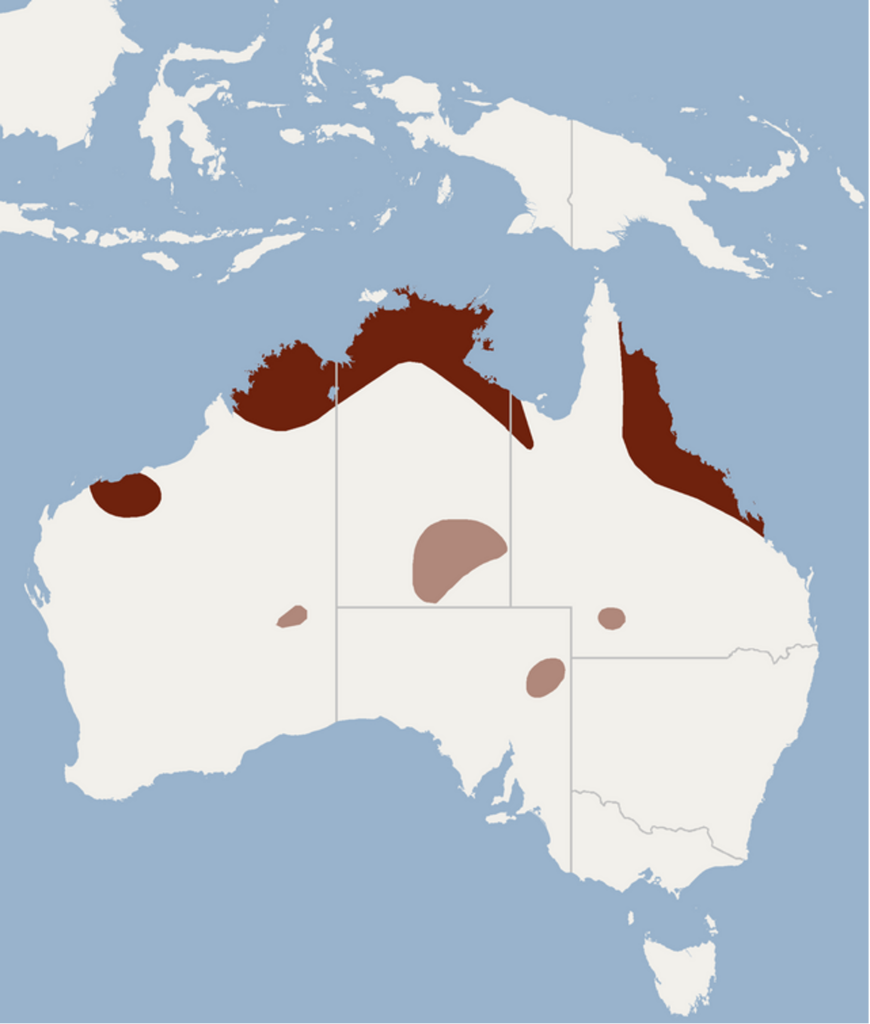
Carnivorous, pasty white and sporting satellite dish ears, these bats dwell deep within caves and old mine shafts across the Pilbara and the Top End.
The Kimberley is home to roughly 4,000 individuals, while the Pilbara supports about 1,850 and is an isolated stronghold cut off from other populations.
Credit: A. Proietti CC BY-SA 3.0 Wikimedia Commons
THE SILENT ASSASSIN
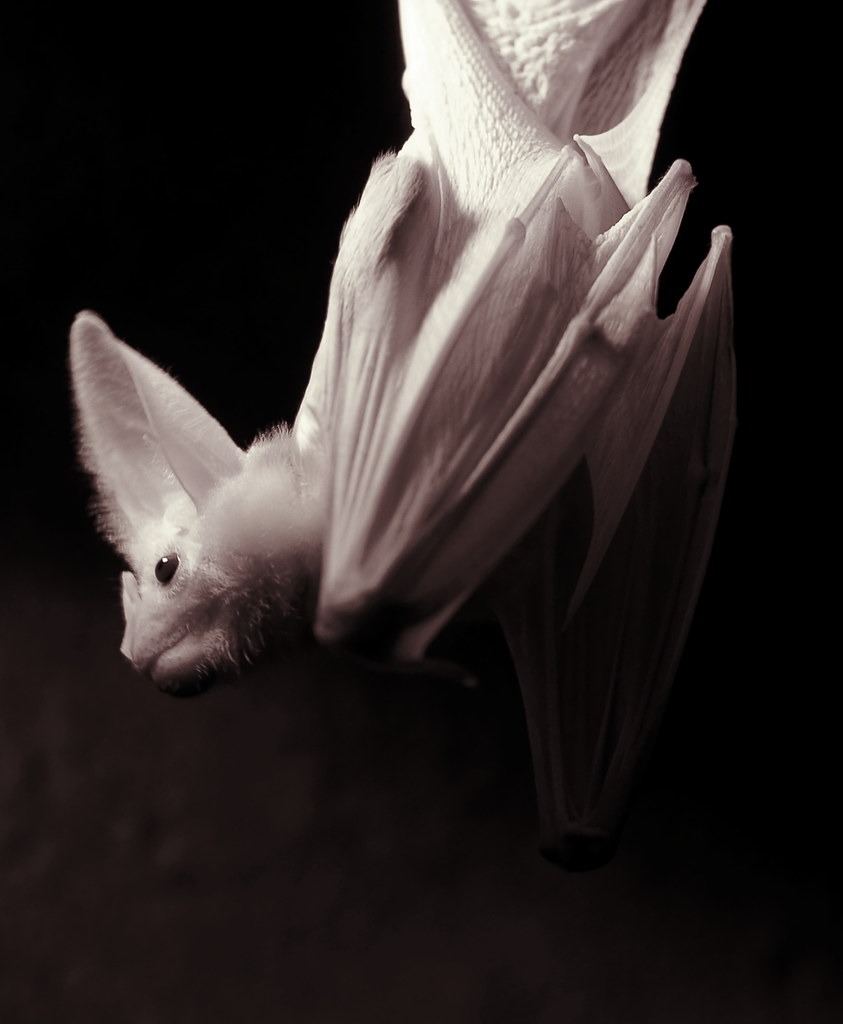
Ghost bat wingspans can reach up to 70 cm, yet they manoeuvre effortlessly through jagged caves using echolocation emitted from their leaf-shaped nose.
To hunt, they perch silently before dropping onto passing prey, wrapping it in a blanket of wings and delivering a swift bite to the neck and head.
Dinner could be insects, lizards, birds or even other bats.
Credit: Quollism (CC BY 2.0)/Flickr
BABY BAT-PACK
During cold winter nights, bats get together to mate.
When a pup is born three months later, mum carries it around for several weeks, latched on (upside down) to false nipples on her belly.
As the pup grows, it gets left behind in a maternity roost – a big cave kindergarten.
This is where pups learn the calls and customs of the colony.
GHOST WHISPERER
Each colony tells a different story. Recent studies have revealed that bat chat has regional dialects.
Credit: NHanrahan1/SoundCloud
Credit: NHanrahan1/SoundCloud
By recording calls from multiple colonies, scientists discovered that limited dispersal and a tight-knit social life causes each colony to develop their own lingo.
Over generations, their chirps and squabbles subtly drift, creating regional vocal signatures.
However, chatter in the Pilbara may soon fade to silence.
MINING THEIR BUSINESS
Ghost bat numbers in the Pilbara have dropped by roughly 30% since the 1990s.
With mining operations booming, suitable roosts and foraging habitat are few and far between.
Mining tenements occupy 91% of the bioregion, which is prime ghost bat real estate.
The Pilbara is also the last population untouched by cane toads, but they could arrive as early as 2035.
Credit: Sadaka (CC BY-SA 4.0)/WikiMedia Commons
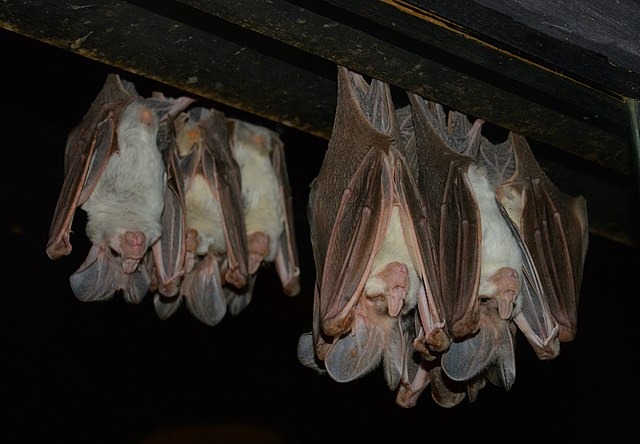
Crumbling caves, barbed wire fences and cane toads make life as a ghost bat increasingly hard.
But the battle isn’t over. Bat motels are popping up across the region and scat analysis offers a non-invasive way to monitor populations.
Stronger support for research, protecting roosting habitats and mitigating threats will help ensure these ghosts never vanish from our skies.
Want to have your say? The National Recovery Plan for the Ghost Bat is currently on the drafting table and open for public comments.