


You might be interested
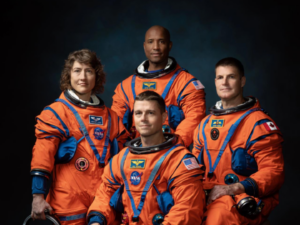
NASA’s Artemis II mission plans to fly around the Moon and back this April. Four astronauts will board the mammoth Space Launch System (SLS) rocket for the test flight, spending 10 days off-Earth.
They won’t be touching down – this mission is intended to pave the way for humans to once again place their boots in the sticky, clumpy soil of our closest celestial neighbour.
“We’re going to get our astronauts back to the surface,” Jared Isaacman, the NASA administrator, told the New York Times on 26 February.
And it’s not just NASA shooting for the Moon. China wants to land its taikonauts there too.
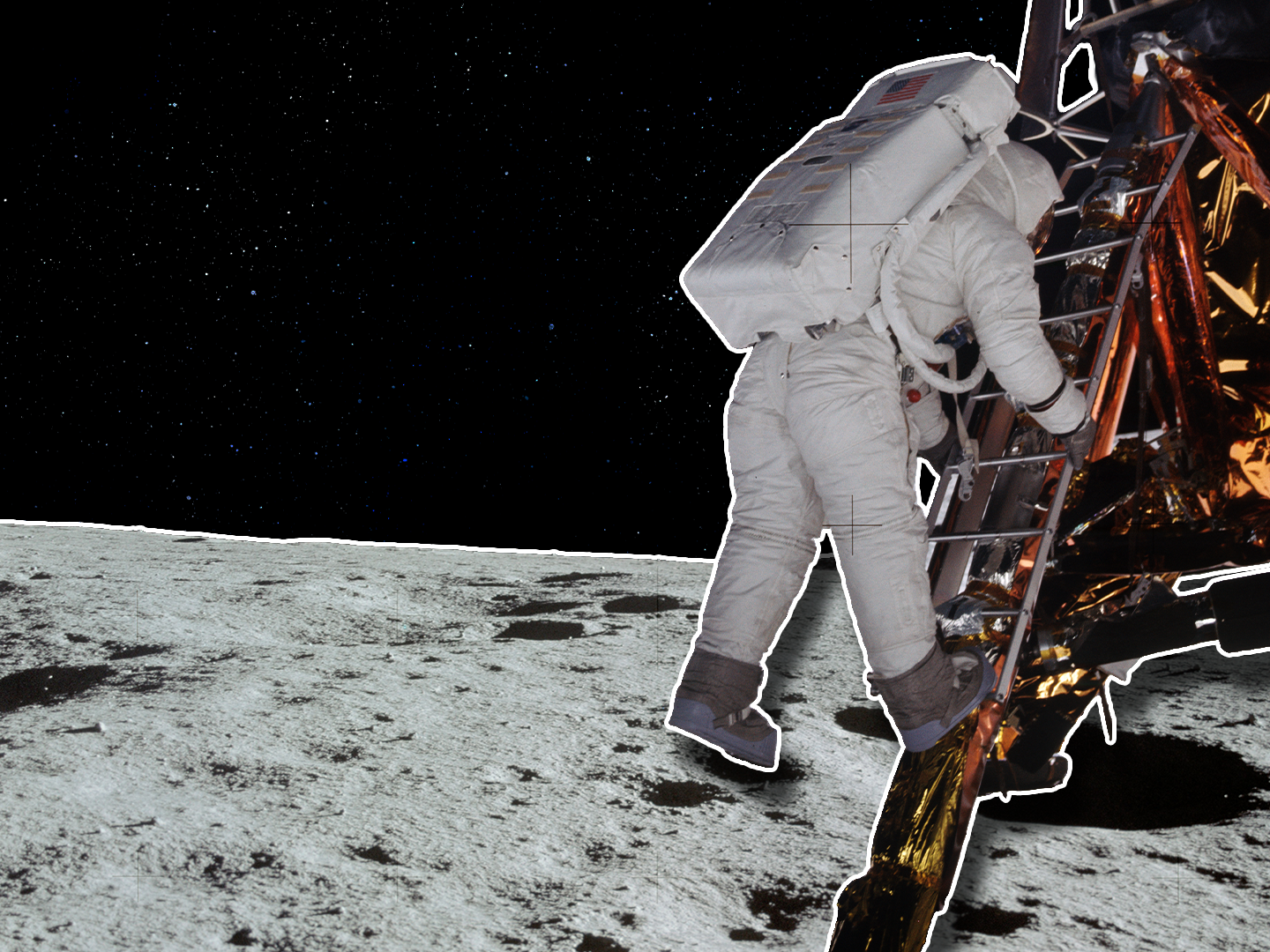
We can soon expect to see humans bouncing around on the lunar surface for the first time since 1972.
But how soon? Trying to pin down a landing date for crewed Moon missions is like trying to decide what to wear to a smart casual social event. You can get a vague idea, but it’s hard to get specific.
There’s one big reason for that.
“Look, space is hard,” says Katarina Miljkovic, a planetary scientist at Curtin University.
“When something is difficult, there are new challenges, new problems that arise as we are developing new technologies, so that all puts a delay in whatever we want to do in space.”
Don’t Look Up
In 2019, the 50-year anniversary of the first landing on the Moon, I wrote a story documenting what our next 50 years on the Moon could look like.
With each passing day, my guesses get more embarrassing.
But there has long been an air of optimism about NASA’s Artemis program, which was intended to fast-track humanity’s return to the lunar surface.
Back in 2020, NASA documentation shows it planned to land humans on the Moon in 2024 during the Artemis III mission.
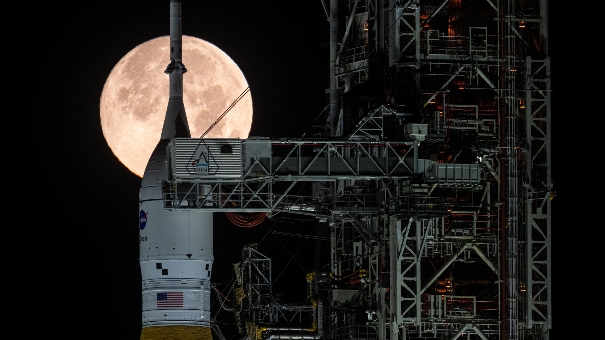
Credit: John Kraus/NASA
It hasn’t worked out that way. Our return to the Moon has suffered a lot of setbacks, including gas leaks on the SLS, trouble with its crew capsule’s heat shield and weather-related scrubs and budgetary challenges for NASA.
“It is not uncommon for space missions to be delayed. It [has] historically been so,” says Katarina.
In March, Jared Isaacman announced that Artemis III, originally planned to be a landing mission, will no longer head to the surface of the Moon. The landing date is now pencilled in for 2028 and that will now be the Artemis IV mission.
Delays feel like a downer, but they can be the sign of healthy caution rather than a signal the missions are somehow doomed.
“I’m confident that even a little delay in Artemis and a slight change in plan is not going to bench it,” says Katarina.
“It is actually going to make it be more successful when time comes to fly it.”
Should We Go Though?
Something about walking on the Moon captures our attention. We know getting there is difficult and potentially dangerous. So with advances in robotics and uncrewed spaceflight since our last landing, why would we risk people?
Katarina, who collaborated on NASA’s InSight mission on Mars, says there’s a long-standing debate on whether we should send humans or machines to space. She sees pros and cons to both.
“There is no either or,” says Katarina. “For the fastest technological advancements and fastest benefit to humankind, I think we need to have both.”
The robotic revolution has long been underway. Many landers and rollers have visited neighbouring planets. Mars is home to a number of them, like Perseverance and Curiosity. A few made it to the surface of Venus before being destroyed by the hellish conditions.
China has had great success with its Chang’e program, the first to successfully land on the far side of the Moon in 2019.
Even Australia is expected to have a robotic presence on the Moon. Roo-ver, a suitcase-sized robot, is intended to launch in a future Artemis mission. A handful of other missions from the US and China also plan to land rovers in 2026. The missions back Katarina’s idea – our machines are like scouts or guides, revealing more about the Moon and paving the way for humans to return.
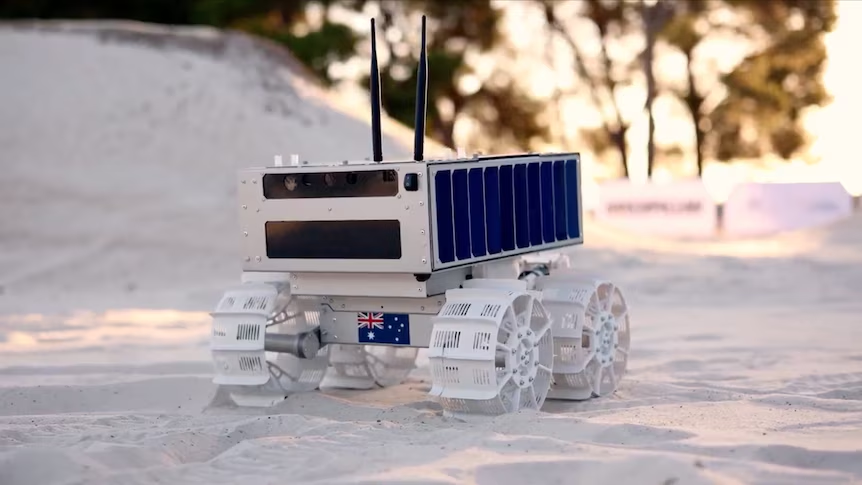
Credit: Australian Space Agency
I Just Want the Date!
The Artemis II mission, now scheduled for launch in April 2026, will be a significant moment in humanity’s return to the Moon. It will be the furthest any human has travelled for more than 50 years.
But there’s still a long way to go before boots hit regolith.
I’ve learned not to make any predictions about how quickly we might get back. But what do the experts think?
“Unfortunately, I don’t have a crystal ball,” says Katarina. “Whether it happens in 2028 or a little bit later will depend on a lot of other factors that are outside anybody’s control.”