


You might be interested

The Casual Observer
March continues the season of Bunuru, with the hot, dry weather sticking around. The upside is always that the clear nights make for great stargazing opportunities.
March is a great time of year to look for the Argo Navis, the great boat in the sky, made up of the three constellations Carina, Puppis and Vela. This trio will be almost exactly overhead during March evenings.
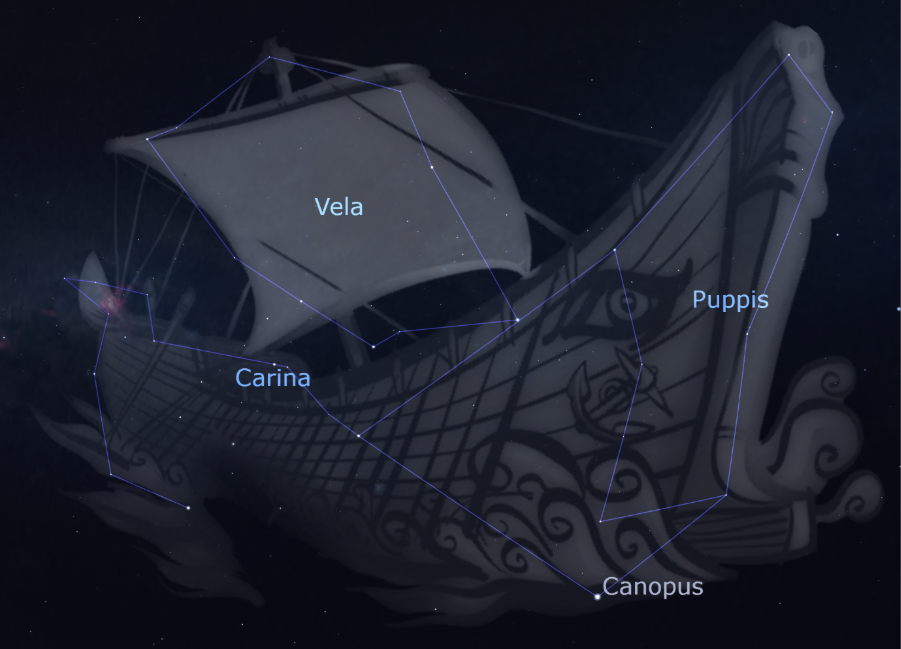
Credit: Stellarium
In antiquity, this was a single giant constellation, but modern astronomers have divided it up into more manageable pieces. The brightest star Canopus – the second brightest star in the night sky – marks the rudder of the great ship.
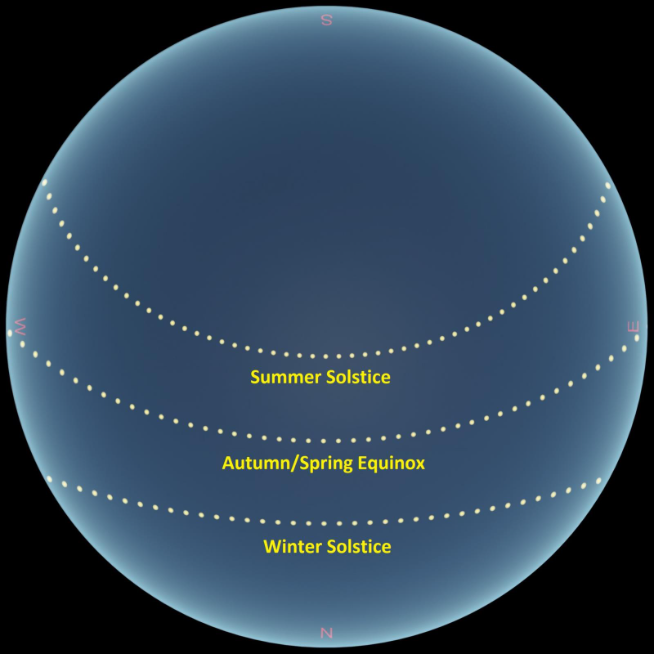
The autumn equinox is on 20 March. This is the astronomical beginning of autumn and on this day the Sun appears to pass directly over the equator. Viewed from Earth, this means you will see the position of the Sun in the sky move lower and lower in the north after this date.
Credit: Smith/Scitech
If all goes well, in early March NASA may attempt a launch of Artemis II to send four astronauts on a journey around the Moon. This is postponed from an ambitious February launch date after a wet dress rehearsal (fuelling the rocket, but not launching it) revealed several issues, most notably a leak of liquid hydrogen from the main fuel lines. Read our summary of Artemis II here.
Speaking of the Moon… ♪ There’s a Blood Moon on the Rise ♬
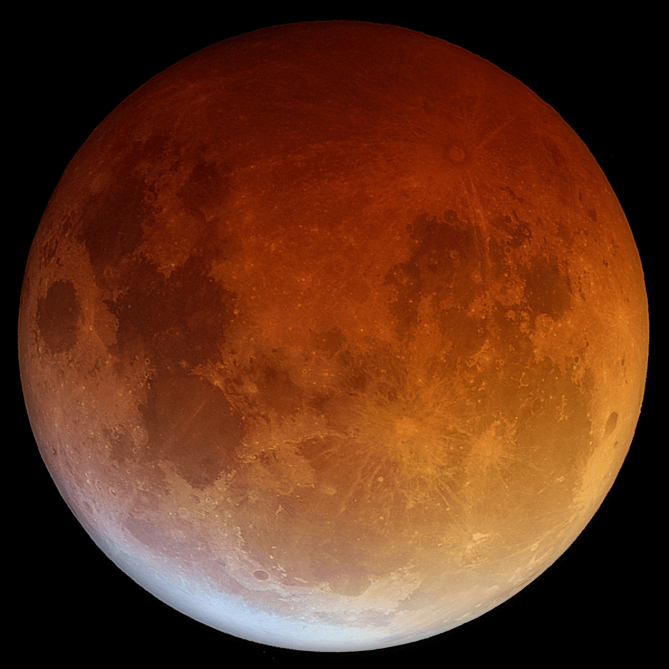
The evening of 3 March will see a total lunar eclipse grace the night sky. A total lunar eclipse is when the Moon passes into Earth’s shadow cast by the Sun. Rather than the Moon going completely dark in shadow, it will still be illuminated by faint sunlight that passes through Earth’s atmosphere. Because Earth’s atmosphere preferentially scatters blue light away, only the red light from the Sun will pass through the atmosphere and reach the Moon’s surface. This makes it appear dark red in the night sky and of course lends it the nickname of the ‘Blood Moon’.
This eclipse begins before the Moon rises (in AWST), so it will already be a noticeable red colour by the time it appears in the eastern sky at 7 pm. The eclipse finishes at 10:23 pm but seeing it earlier is better – the red appearance will fade away by about 8:30 pm. Kings Park should be a pretty good place to watch it rise over the city.
14 March is International Pi Day. How will you calculate pi on this day?
Moon phases
Full Moon: March 3
Last Quarter: March 11
New Moon: March 19
First Quarter: March 26
Dates of interest
March 3: Total lunar eclipse
March 14: International Pi Day
March 20: Autumn equinox
March 26: Moon close to Jupiter
Planets to look for
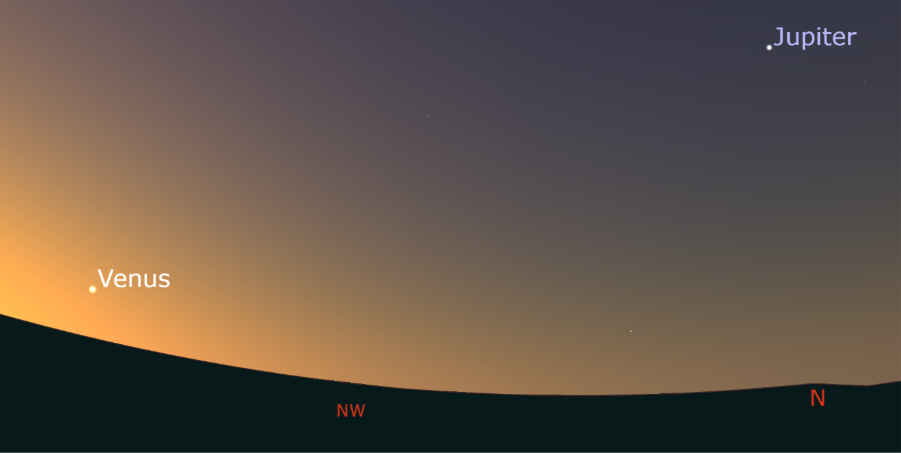
Jupiter is still hanging around in the north after sunset. Over the night it makes its way across the northwest and sets around midnight.
Venus makes a return to the evening skies. You can see it in the second half of the month, low in the west, just after sunset. This is more of a taster – in the coming months it will rise higher and brighter in the western evening sky, truly earning its moniker of the ‘evening star’.
As Venus is getting higher in the west, Saturn is going, going, gone. By the end of the month, it will be on the other side of the Sun and not visible for a while.
Credit: Stellarium.
Mercury is visible in the east in the pre-dawn sky in the second half of the month. Mars is there as well but not really worth looking at yet.
Constellation of the month
Volans – The Flying Fish
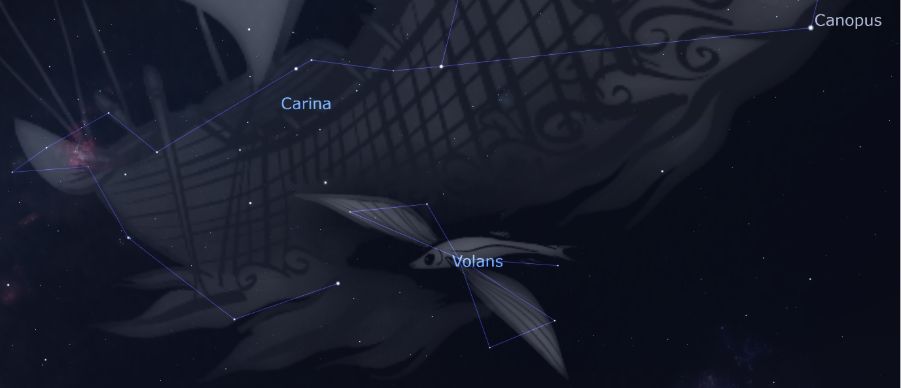
Volans is a small, faint constellation in the southern sky and is located just underneath the bow of Argo Navis, formed by Carina. There is a general theme of water to many of the constellations around this part of the sky and Volans is no exception, being interpreted as a flying fish.
Credit: Stellarium
The brightest star in Volans is the binary system Gamma Volantis, which consists of an orange giant star about 10 times wider than the Sun, and a smaller companion slightly larger and hotter than the Sun.
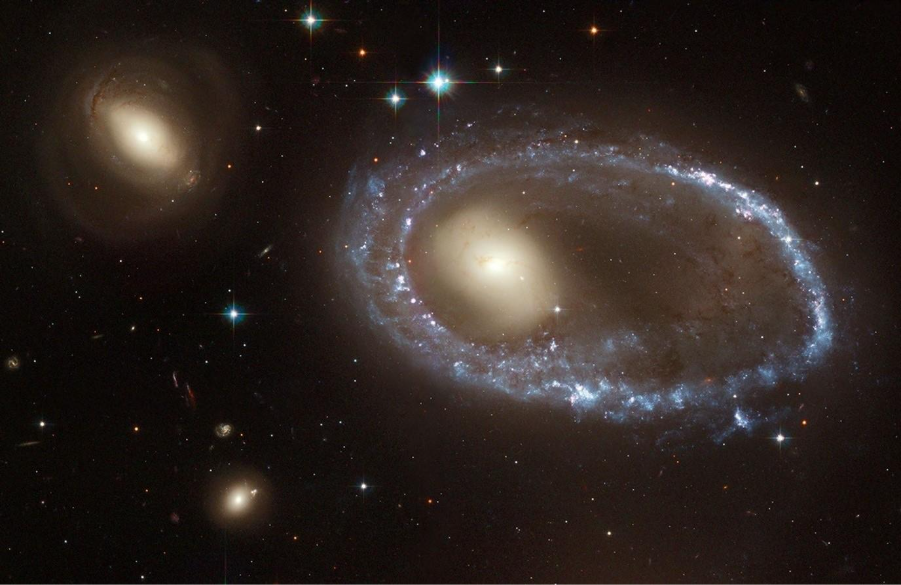
Volans is home to the fascinating Lindsay-Shapley Ring, more often referred to by the exciting name AM 0644-741.
Credit: NASA, ESA, and The Hubble Heritage Team (AURA/STScI); Acknowledgment: J. Higdon (Cornell U.) and I. Jordan (STScI)
Ring galaxies form during collisions between galaxies, specifically when a colliding galaxy hits ‘face on with’ and passed through another galaxy. This causes a shockwave of hot gas to rush out from the galaxy that was struck, where it collides with material at the edge. These collisions compress the gas, causing a burst of star formation in the ring shape seen above. In galaxy AM 0644-741 the ring of newly formed stars is about 150,000 light years across, larger than the entire Milky Way galaxy, and is expected to continue to expand for a few hundred million more years before disintegrating.
Object for the small telescope
The Moon
Make a note in your calendars. The total lunar eclipse occurs on 3 March. Looking to the east at 7 pm you will see the red Moon rise in the sky. You definitely don’t want to miss this.
Credit: Public Domain